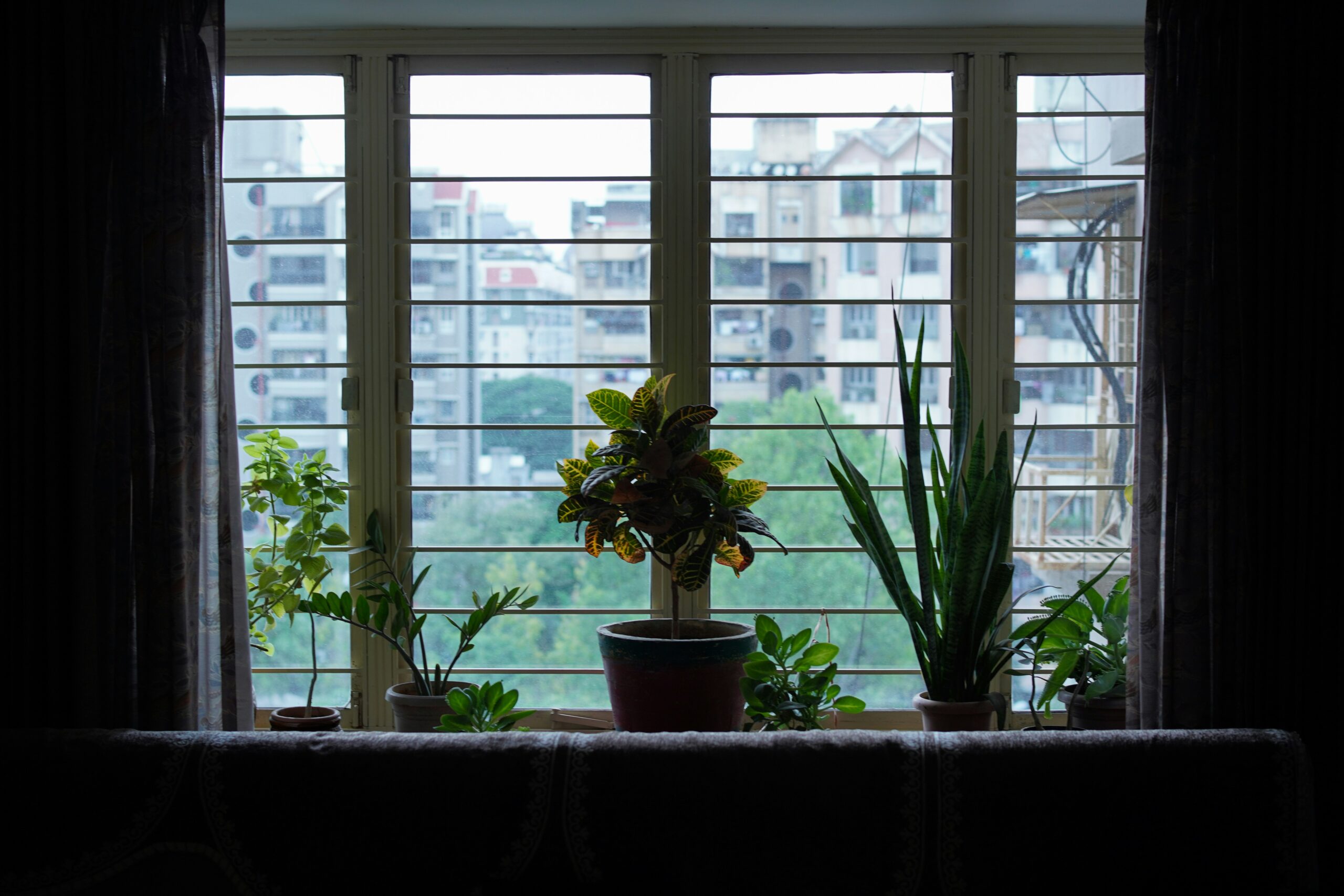
There’s a certain satisfaction in snipping fresh herbs straight from your kitchen windowsill and dropping them into whatever you’re cooking. No grocery runs, no wilted plastic bags in the fridge, just living plants a few inches away from your cutting board.
But as many first-time indoor gardeners quickly discover, not all planters are created equal, and the wrong container can quietly kill even the healthiest herb.
Why the Planter Matters More Than You Think?
Most people starting a windowsill herb garden focus on which herbs to grow and forget that the container is the foundation of the whole setup.
Get it wrong, and you’ll be fighting root rot, drought stress, or overcrowding before your herbs have a chance to establish themselves.
Glazed vs. Unglazed Pots
Terracotta pots look charming, but unglazed clay is porous — it wicks moisture away from the soil at a surprisingly fast rate. Indoors, where plants already tend to dry out between waterings, this can be a real problem.
Glazed ceramic or plastic pots retain moisture far more consistently, giving you a wider margin for error on watering days. If you love the look of terracotta, use it outdoors where airflow and rain compensate for the evaporation. Indoors, stick to glazed.
Size and Depth
A pot that’s too small stunts root development, while one that’s enormous can hold excess moisture around the roots and cause rot. For most herbs, aim for a pot at least 6 inches (15 cm) deep, with enough room for a healthy root system plus a layer of drainage material at the base.
For window boxes, budget around 20 cm (8 inches) of horizontal space per herb so they have room to spread as they mature.
One practical approach: keep indoor plants slightly more compact than you would outdoors. Snugger spacing encourages you to harvest regularly (which the plants love), and it means you can grow more variety in a limited space.
Drainage is Non-Negotiable
Herbs universally dislike sitting in waterlogged soil. Whatever container you choose, it must have drainage holes. For indoor planters placed on a windowsill, use drip trays underneath and empty them after watering. Stagnant water collecting in a tray is just as harmful as overwatering the pot itself.
If you’re using a window box on an interior sill, plug the drainage holes or choose a self-watering style with a reservoir that keeps water away from the root zone. For an outside ledge, drainage can flow freely.
A useful trick: choose a container with small feet or a raised base. This keeps the pot lifted slightly above any pooled water, allowing air circulation underneath and preventing the roots from sitting in moisture.
Choosing the Right Location
Before buying a single pot, assess your windows. Light is the variable most likely to determine whether your herb garden succeeds or slowly fades.
Natural Light
A south or southwest-facing window is the gold standard for indoor herb growing. These orientations typically deliver five to six hours of direct sunlight — enough for the majority of culinary herbs to grow vigorously.
East-facing windows provide gentler morning light, which can work for shade-tolerant herbs but will limit others.
West-facing windows, which receive afternoon sun, typically offer around three to five hours of usable light. This is workable for the right herb selection, but not every variety will thrive there.
Supplemental Lighting
If your windows don’t face the right direction, don’t abandon the idea. Small LED grow lights have become genuinely affordable and effective. A compact strip light mounted beneath a kitchen cabinet or clipped to a shelf can add the hours your plants need. Look for full-spectrum LEDs designed for plants. They’re efficient, low-heat, and unobtrusive.
One Thing to Avoid
Don’t place your herb planter directly above a radiator or heat source. The warm, dry air rising from heating vents dehydrates plants quickly and can scorch foliage. A slightly cooler windowsill with bright, indirect light is often better than a sunny ledge above a radiator.
The Right Soil Mix
Standard garden soil is too dense for container growing; it compacts over time, suffocates roots, and drains poorly. Use a quality potting mix formulated for containers, which is lighter and designed to drain well while retaining enough moisture for consistent growth.
For herbs like rosemary and thyme that prefer drier conditions, consider mixing in a small amount of perlite or coarse sand to improve drainage further.
A more advanced option used by experienced indoor growers is combining coconut coir with worm castings or quality compost (baked briefly in the oven at 150°C/300°F for about 15 minutes to eliminate any insects before bringing it indoors). This mix is water-retentive, nutrient-rich, and lightweight — excellent for window growing.
Once your compost has exhausted its initial nutrients, usually after two to three months, start a regular liquid feeding program following the instructions on your chosen fertilizer. Underfeeding is one of the main reasons indoor herb gardens stagnate.
The Best Herbs for a Windowsill Planter
Not every herb handles indoor growing equally well. The ones below are proven performers across a range of light conditions and skill levels.
Chives
Chives are arguably the most forgiving herb for windowsill growing. They tolerate indoor conditions well, bounce back quickly from harvesting, and are most flavourful when used fresh, making a kitchen-side planter ideal. If you already grow chives outside, simply divide the plant and repot a section in autumn to keep harvests going through winter.
Keep the soil consistently moist (test by pushing your finger an inch into the soil — it should feel damp below the dry surface layer) and make sure they get sufficient light. Chives are fantastic with eggs, in salads, stirred into soft cheese, and their flowers make a striking pink-hued vinegar.
Mint
Mint is one of the best choices for windows with limited sunlight. Unlike basil, it genuinely tolerates three to five hours of light without becoming leggy or struggling. In fact, too much intense direct light can scorch the leaves and diminish the plant’s aroma.
One important note: mint is invasive and spreads aggressively, so always grow it in its own pot rather than mixed with other herbs. Keep it pruned and compact — once stems become tall and woody, the plant loses much of its fragrance. Regular trimming keeps it bushy, productive, and aromatic.
Thyme
Thyme is well-suited to the lower light levels of an indoor environment and is similarly unfussy about care. It prefers well-draining, slightly sandy soil rather than heavy, moisture-retentive mixes. Like mint, it does best with around four to five hours of light and can struggle if exposed to intense, unfiltered afternoon sun through south-facing glass in summer.
Thyme is an incredibly versatile kitchen herb essential for seasoning meat, poultry, marinades, roasted vegetables, and even rustic breads and savoury biscuits. It’s also one of the easiest to carry indoors from an outdoor garden before the first frost, overwintering well on a windowsill before being returned to the garden in spring.
Rosemary
Rosemary can handle lower light levels (around four hours is workable), though it will grow more vigorously with more. It’s particularly important to get the drainage right for rosemary, it hates wet roots and will decline quickly in heavy, moisture-retaining soil. A gritty, well-draining potting mix and a glazed pot with good drainage are the right setup.
Rosemary’s strong, piney flavour is wonderful with roasted meats, game, soups, potato dishes, and bread. Like thyme, it can be dug up from an outdoor garden in autumn and brought inside to overwinter, then replanted come spring, saving you from starting from scratch each year.
Basil
Basil is the most light-hungry herb on this list. It really wants six or more hours of bright light and will become leggy and weak with less. If your windowsill doesn’t get that much natural sun, supplemental lighting makes the biggest difference here.
For quicker results, start with a nursery plant rather than a seed. Basil grown from seed takes at least three to four weeks before you can harvest. Whichever route you take, rotate the pot slightly every day or two so all sides receive even light, and keep the soil moist but not waterlogged.
The key to a productive basil plant is consistent harvesting. Pinch off stems just above a pair of leaves to encourage the plant to branch out and produce more foliage. Once basil starts to flower, its leaf production slows significantly — pinch off any flower buds as soon as they appear to extend the harvest season.
Parsley
Parsley is a reliable performer indoors and grows reasonably well from seed, as long as the seedlings get enough light once they emerge. Sprinkle seeds directly onto the surface of moist potting soil and keep them consistently damp. Germination typically takes one to two weeks. Thin seedlings to one or two plants per container once they’re established.
When harvesting, cut whole stems at the base rather than pulling individual leaves. This prevents the plant from becoming thin and sparse. The stems themselves can be saved for adding flavour to stocks and broths, making parsley essentially zero-waste.
Flat-leaf parsley has a stronger, more complex flavour than the curly variety, while curly parsley is slightly easier to chop finely. Both grow equally well indoors.
Oregano
Oregano is rarely the first herb people think to grow indoors, but it’s a genuinely excellent windowsill plant. It handles container growing well and produces steadily with moderate light.
The fresh leaves have a milder flavour than dried oregano (drying concentrates and intensifies the oils), so fresh oregano works well when you want a subtler herbal note in pizzas, pasta sauces, dressings, or grilled vegetables. Let some sprigs dry on the plant if you want a more potent result.
Planting Up Your Windowsill Planter
Once you have your container, soil, and herbs ready, the process is straightforward:
- Add a layer of small stones or broken pot shards at the base of the container to improve drainage.
- Fill with your chosen potting mix, leaving a few centimetres at the top.
- Squeeze the base of each nursery pot gently to loosen the root ball, then tip the plant out carefully.
- Position your herbs in the container, firm them in the soil around the roots, and water gently.
- If transplanting herbs from outdoors, trim back about a third of the top growth — this reduces stress on the plant while it adjusts to its new environment and redirects energy toward establishing roots.
After planting, water the container thoroughly and allow excess moisture to drain before placing it on your windowsill. Then leave it to settle for a few days before beginning your regular harvesting routine.
Keeping Your Herb Garden Productive
Water Consistently, Not Constantly
The most common mistake is either overwatering or forgetting to water entirely. Check soil moisture by pressing your finger about an inch into the soil — water when it feels dry at that depth. Indoor containers dry out faster than outdoor ones, so check every two to three days rather than once a week.
Harvest Regularly
Regular harvesting isn’t just for your cooking — it actively encourages the plant to produce more growth. Never remove more than a third of the plant at a time, and always cut just above a leaf node or set of leaves. This signals the plant to send out new shoots from below the cut, keeping it bushy rather than bare and spindly.
Watch for Pests
Even indoors, herbs can attract aphids, fungus gnats, and spider mites. Check the undersides of leaves regularly and deal with any infestations early. Keeping the growing area clean, avoiding overwatering (which attracts gnats), and maintaining good airflow around the plants go a long way toward prevention.
Final Thoughts
Growing herbs on a windowsill rewards a small investment of effort with an outsized return in your cooking. The key is matching the right herb to your available light, using a planter that gives the roots room and drainage, and harvesting often enough to keep the plants productive.
Start with two or three herbs you actually cook with regularly, get those thriving, and expand from there. It’s a more satisfying approach than cramming a dozen varieties in from the start and far more likely to give you herbs worth cooking with all year round.