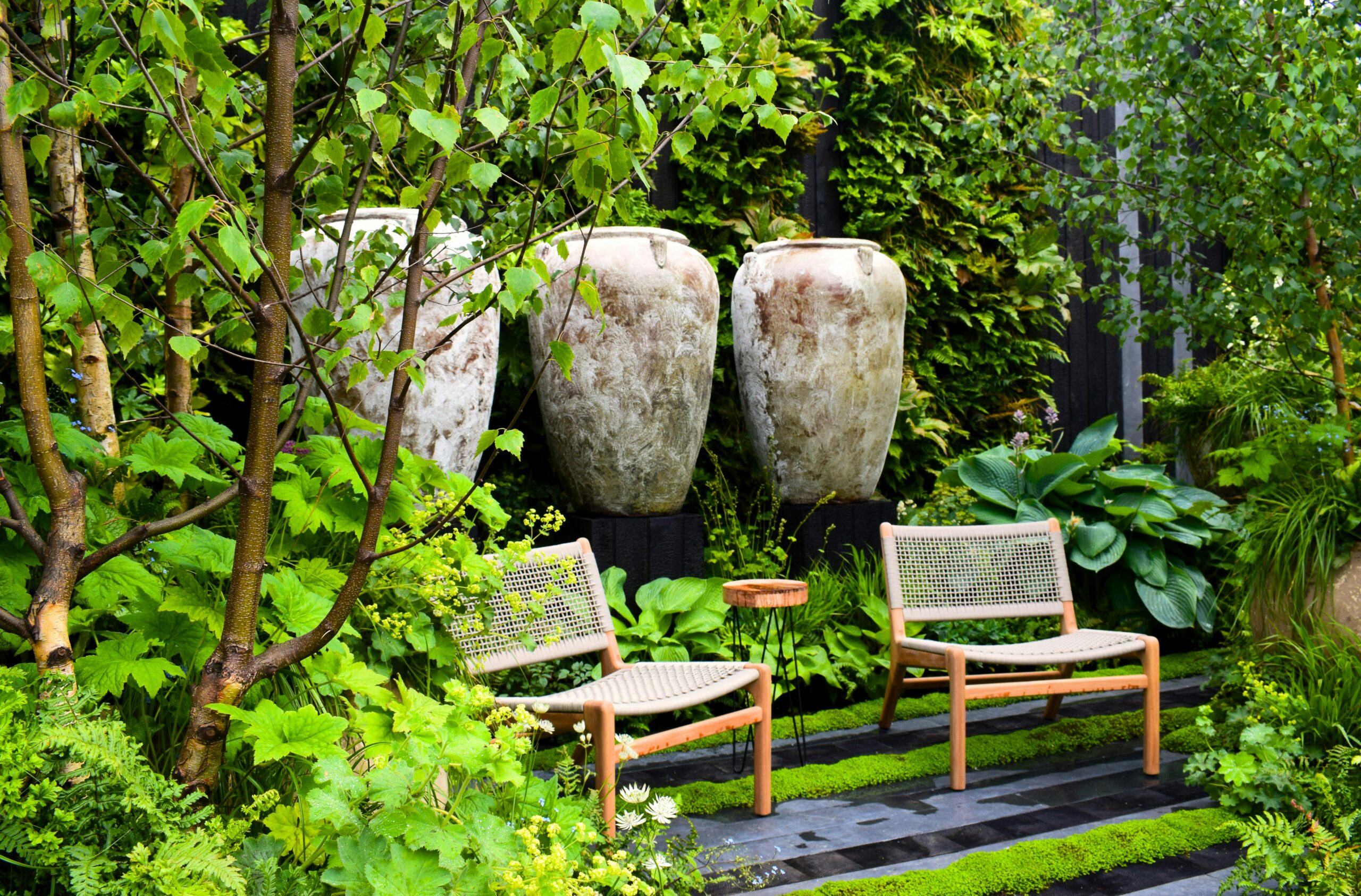
Most gardening advice assumes you have a sunny garden and plenty of free time. But what if your best accessible space is gloomy, and your schedule is anything but flexible? The good news is that when properly planned, a shade garden can be less work than a standard sunny border.
Lower weed pressure, less watering, and plants that thrive with a little neglect make it one of the best decisions a busy homeowner can make.
This guide provides everything you need to design, plant, and maintain a really low-effort shade garden, one that looks intentional and lovely without taking up your weekends.
Step 1: Know Your Shade Before You Plant Anything
Not all shade is created equal, and the most common mistake that busy gardeners make is purchasing plants without first determining the type of shade they will be working with. Spend a few days examining your space before spending any money at the garden center.
Partial shadow receives approximately 3-6 hours of direct sunlight, typically in the morning. This is the most tolerant and provides the most diverse plant palette. Dappled shade is the fluctuating, fragmented light that filters through a tree canopy and is ideal for a variety of woodland perennials.
Moderate shadow receives less than 3 hours of sun, whilst deep shade (under dense conifers or against a north-facing wall) is the most restrictive and necessitates careful plant selection.
After you’ve determined your shade level, ask yourself whether it’s dry or damp. Dry shadow is generally seen beneath older trees, whose roots battle fiercely for moisture.
Damp shadow is found in low-lying locations or near structures where drainage is slow, and the soil remains moist. The distinction is important because the plants that grow in each situation are very different, and planting a moisture-loving species in dry shade or a drought-tolerant species in wet ground causes the continual maintenance you’re attempting to avoid.
Step 2: Build the Planting Plan Around the Right Plants
Plant selection determines whether a no-fuss shade garden thrives or fails. Choose plants that are naturally suited to low light, and you will rarely need to intervene. Choose poorly, and you’ll spend the entire season propping up floppy stems and nursing unhappy specimens.
For Damp Shade
- Ferns: Among the most reliable, low-maintenance plants in any garden. Ostrich fern and autumn fern fill space beautifully and handle moist, rich soil with zero fuss.
- Hostas: Especially variegated varieties, which offer strong visual contrast even when flowers aren’t present. They return each year reliably and suppress weeds with their dense foliage.
- Bleeding heart (Dicentra): Produces elegant arching stems with pendant flowers in spring. Once established, it’s drought-tolerant in summer when it naturally goes dormant.
- Cowslip (Primula veris): A charming early bloomer for damp, shady borders that naturalizes well without spreading aggressively.
For Dry Shade
- Euphorbia: Structural, architectural, and unfazed by dry conditions. wide varieties hold their color and form through most of the growing season.
- Hellebore (Helleborus): One of the best investments in a low-maintenance garden. Hellebores are evergreen, long-lived, and flower in late winter or early spring when almost nothing else does. They self-seed gently and rarely need dividing.
- Anemone: Japanese anemones are particularly well-suited to dry shade, offering late-season flowers at a time when most shade gardens have gone quiet.
- Epimedium: Often overlooked, but one of the hardest-working ground covers for dry shade. Heart-shaped leaves, delicate spring flowers, and excellent weed suppression once established.
For Both Conditions (Versatile Performers)
- Foamflower (Tiarella): Semi-evergreen, spreads gently to fill gaps, and produces soft, cone-shaped flowers in pale pink or white. Grows thick enough to crowd out weeds beneath it.
- Hardy geraniums (Geranium): A workhorse of the low-maintenance garden. wide varieties bloom all summer, require no deadheading, and grow dense enough to eliminate weeding underneath.
- Astilbe: Feathery plumes in pink, white, and red; tolerates a range of moisture levels and lights up darker corners reliably each year.
Shrubs That Anchor the Design
Every well-designed shade garden includes at least one or two shrubs that provide structure throughout the year. Hydrangeas are the most popular choice for partial or dappled shade because they fill space, provide months of bloom, and tolerate irregular care.
Japanese maple is worth considering for taller gardens; its tiered canopy and seasonal colour create great drama at eye level or higher. Both are long-lived, requiring little maintenance once established.
Step 3: Design for Low Effort, Not Just Low Light
Good design is what separates a beautiful shade garden from a messy one, and smart design also reduces your maintenance load.
Group plants by similar needs. Place your moisture-lovers together and your drought-tolerant plants in a separate zone. This allows you to water intelligently rather than treating the entire bed the same way, and it reduces stress on plants that are in the wrong conditions.
Layer by height. A shade garden reads as intentional and full when it uses all three layers: ground covers low to the soil, mid-height perennials filling the middle, and a shrub or small tree anchoring the back or center. This layering also helps suppress weeds naturally less bare soil means fewer weed opportunities.
Skip the lawn in shade. Grass struggles in shade, creating patchy, high-maintenance problem areas. Replace it with a ground cover like Pachysandra or creeping thyme, or extend the garden bed and mulch heavily. This single decision eliminates one of the most frustrating ongoing chores in a shaded yard.
Add a path or seating area. A shade garden is often the coolest, most comfortable corner of the yard on a hot day. A simple flagstone path or a tucked-away bench turns maintenance space into usable outdoor living space and makes the garden feel considered rather than abandoned.
Define edges clearly. Whether you use low-growing plants like hardy geraniums as living edging, or physical edging materials like steel or stone, clear borders make the garden look tidy with minimal effort. Defined edges also prevent grass from creeping in and reduce trimming time.
Step 4: Mulch Like You Mean It
Mulching is the practice that yields the most results for the least amount of effort in any low-maintenance garden. A 2-3 inch covering of organic mulch, such as bark chips, shredded leaves, or compost, serves several purposes at once: it suppresses weeds, holds soil moisture, keeps roots cool, and gradually improves soil structure as it decomposes.
In a shade garden, mulch replicates the natural forest floor where most shade-loving plants evolved. This means that they not only tolerate mulch but thrive in it. Apply mulch in the spring before weeds grow, then refresh the layer as it decomposes. This one annual task replaces hours spent weeding, watering, and fertilising throughout the season.
Don’t pile mulch against plant stems or tree trunks. Maintain a little gap around the base of each plant to prevent rot and pest infestation.
Step 5: Soil Preparation
Most plants that thrive in shade gardens are woodland natives or adapted species that demand rich, slightly acidic, well-drained soil with a high organic content. Investing time in good soil preparation before planting yields long-term benefits.
Loosen the top several inches of the bed before planting and incorporate compost or old organic debris. This enhances drainage and nutrient availability while also providing roots with a suitable environment in which to establish themselves quickly.
Test soil acidity in a shaded area; many shade-loving plants, such as ferns and hellebores, like a slightly acidic pH (5.5-6.5). Adjust with sulphur as needed. Following the initial preparation, regular mulching will continue to nourish and enrich the soil with little work on your side.
Step 6: Reduce Ongoing Maintenance With Smart Habits
Even a well-designed, well-planted shade garden benefits from a few simple habits that keep things looking good without creating a burdensome routine.
Do the cleanup in spring, not fall. Leaving perennial stems and seed heads standing through winter provides shelter for beneficial insects, food for birds, and natural insulation for plant crowns. By spring, most of the material will have collapsed to the ground on its own, requiring little more than a light raking rather than cutting back every plant individually. This habit alone can cut garden cleanup time significantly.
Choose plants that don’t need staking or frequent dividing. Many of the classic shade garden plants, hostas, hellebores, ferns, astilbes, are long-lived, slow-spreading, and self-supporting. Avoid plants that require staking or annual division to stay healthy; those are maintenance obligations that add up over time.
Let nature manage pests. A shade garden with healthy soil and a diversity of plants will attract predatory insects that manage pest populations naturally. Resist the urge to spray at the first sign of leaf damage. A nibbled leaf is part of a functioning ecosystem. True plant-killing pest infestations in well-established shade gardens are rare; most cosmetic damage resolves on its own once predators arrive.
Water strategically. Shaded areas retain moisture longer than sunny beds, so you’ll typically water less. Monitor soil moisture by feel rather than by schedule. Newly planted specimens need consistent watering in their first season to establish root systems, but once established, most shade-garden perennials are surprisingly self-sufficient.
A Simple Shade Garden Layout to Get You Started
Here is a straightforward planting plan for a 6 × 10 ft shaded bed in partial to dappled shade, the kind found along the north or east side of many homes, or beneath the canopy of a mature tree.
Back row (tallest): One hydrangea (e.g., Hydrangea macrophylla or H. arborescens) centered, or two flanking the bed. These provide structure and summer bloom.
Middle tier: Three hostas in varying foliage sizes and colors for contrast. Interplant with two astilbe clumps for vertical flower interest.
Front row: A continuous drift of foamflower (Tiarella) or hardy geranium as a weed-suppressing ground cover. Add a few hellebores toward the shadier end of the bed for late-winter interest.
Extras: A Japanese fern tucked to one side for texture, and a handful of bleeding heart near the back for spring interest. Once planted, mulch the entire bed 2–3 inches deep and edge cleanly.
This combination provides interest from late winter (hellebores) through late summer (astilbe and hydrangea), with foliage carrying the design through autumn.
Lighting: The Detail That Transforms the Space
Shaded locations often feel dreary after sunset, but a simple lighting solution eliminates this problem and adds mood for absolutely no maintenance cost. Solar stake lights have no wiring and charge themselves.
String lights around a fence or overhead between posts provide ambiance with no continuous work. Low-voltage pathway lighting defines the garden’s perimeter and makes it usable at night. Once installed, the illumination will operate automatically.
Common Mistakes to Avoid
Planting climbers in deep shade. Plants like jasmine and honeysuckle grow toward sunlight; in a shaded garden, they’ll stretch awkwardly and rarely bloom well.
Ignoring moisture levels. Overwatering a dry-shade bed or under-watering a damp-shade planting are the fastest ways to lose plants and increase maintenance.
Choosing invasive spreaders. Some shade plants are vigorous to the point of being weedy. Always check growth habits before planting, and favor clump-forming species over runners in a managed garden.
Neglecting the soil before planting. Skipping soil preparation means plants establish slowly, require more watering, and underperform for years. The one-time effort before planting is far less work than compensating afterward.
Summary
A carefully planned shade garden rewards you with beauty that grows over time. Plants get stronger, the canopy fills in, and maintenance requirements reduce year after year. For busy households, this is not a compromise; it is the entire goal.