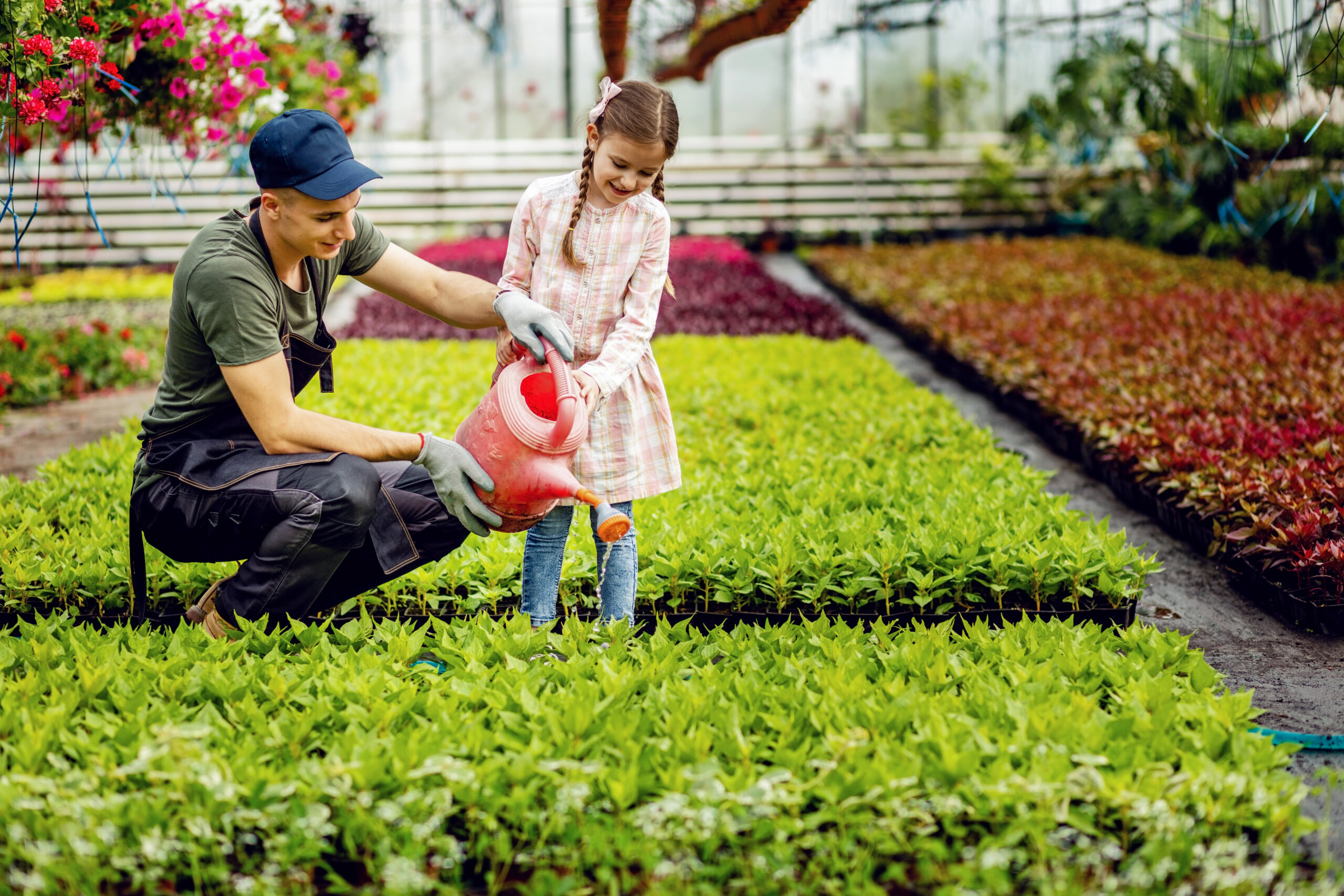
Your outdoor space is more than simply a piece of grass; it’s an extension of your home, a reflection of your lifestyle, and one of the first things visitors see. But when it comes to landscaping, a lot of people naturally go for a shovel instead of a phone.
It’s not just about the money. It’s about how much time and skill you have, what type of outdoor place you really want to live in, and what kind of long-term results you want.
Is it really worth it to hire an expert to design your garden, or can you do it yourself and make it seem great? There are many factors other than just your budget that affect the answer.
What Does a Professional Garden Designer Actually Do?
It’s helpful to know what you’re paying for when you employ a landscape professional before you compare prices and results.
A landscape designer works with each client to build a plan that fits their home, lifestyle, and aspirations. This is far more than just picking up lovely plants. Experts look at the soil’s makeup, how it drains, how much water it requires, how much sun it gets, and which plants will really grow in your area, not just survive for a season.
They also think about the long term: how plants will grow together over time, how to stagger bloom times so your garden looks great from spring to late autumn, and how to keep things from being too crowded as the landscape grows. Without years of hands-on experience, it’s hard to copy that type of foresight.
It’s also important to grasp the difference between a landscape designer and a landscape architect. Landscape architects are specialists who the state has licensed to do more complicated structural work like grading, drainage systems, and major site planning.
Designers pay more attention to choosing plants, making things seem nice, and making outside spaces feel like they belong together.
A landscape designer is the best choice for most home renovations. A landscape architect may be needed for complicated land or big building projects. In either scenario, a different landscaping firm usually does the actual work.
The Real Appeal of Going DIY
There is real benefit in doing your own landscaping, and for many homeowners, it’s the right thing to do at the right time.
The most obvious reason to do it is to save money. You don’t have to pay for labour or design services, and for little jobs like putting in a raised garden bed, updating a border, or planting seasonal flowers, doing it yourself can really save you money.
Building something with your own hands is more than just a financial benefit. You can be as creative as you want with DIY landscaping, work at your own pace, and it may be a great way to interact with your outdoor environment.
For folks who want to garden, it’s also a way to keep learning about plants, soil types, and seasonal care that gets deeper with time.
If your project isn’t too big and you know a little about gardening, doing it yourself is a great idea.
Where DIY Landscaping Falls Short?
The challenges emerge when projects grow beyond the basics or when hidden complexities are underestimated from the start.
Expertise gaps are costly. Good landscaping involves more than aesthetics. Improper drainage can waterlog plant roots or cause water to pool near your home’s foundation. Choosing plants ill-suited to your climate or soil type can mean spending money on plants that fail within a season. Poor irrigation planning leads to overwatering, underwatering, or uneven coverage. These are technical problems that most DIYers don’t know to look for until they’ve already made the mistake.
Time is a real factor. Landscaping is labor-intensive. From planning and sourcing materials to installation and ongoing maintenance, it’s easy to underestimate the hours involved. What feels like a weekend project can stretch into months, especially if you’re learning as you go or working around a full-time schedule. An unfinished yard can be more frustrating and less usable than no project at all.
Mistakes compound. The initial materials budget for a DIY project might look lean on paper. But when plants are placed incorrectly, drainage is wrong, or the design doesn’t hold up over time, the cost of fixing those problems often exceeds what professional services would have cost in the first place. Hiring a pro to repair a failed DIY project typically costs more than hiring one from the beginning.
The Case for Hiring a Professional
Quality That Lasts
Professional landscapers bring years of experience to every detail of the project. They handle grading, drainage, and irrigation with precision factors that directly affect how long your investment holds up.
They also know which plants grow well together, which species support local biodiversity, and how to create a design that fills out beautifully over the years rather than months.
Access to materials is another underrated advantage. Professionals often source through supplier networks that aren’t available to the general public, meaning better quality plants and materials at competitive prices.
Time and Efficiency
A professional team with the right equipment can complete in days what might take a homeowner months. For people with demanding schedules or large properties, that efficiency alone justifies the cost.
Long-Term Maintenance
A good landscaping relationship doesn’t end at installation. Many professional services offer ongoing maintenance, lawn care, seasonal planting, pruning, and pest management that keep your yard looking its best year-round. This kind of consistent care prevents small issues from becoming expensive problems.
Property Value
A well-designed outdoor space has a measurable impact on home value. Research indicates that professional landscaping can increase a property’s value by anywhere from 5% to 20%, making it one of the strongest returns on home improvement investment. Strong curb appeal also plays a significant role in real estate. A polished yard makes a first impression that’s hard to replicate.
Sustainability and Future-Proofing
Forward-thinking landscape designers increasingly prioritize native plants, drought-resistant species, and water-conscious design. These choices reduce long-term maintenance demands, lower irrigation costs, and support local ecosystems.
As environmental considerations grow more important to property buyers, sustainable landscaping also contributes meaningfully to long-term home value.
How to Choose and Hire a Landscape Designer?
If you decide to go the professional route, finding the right designer matters as much as making the decision itself.
Word of mouth remains one of the most reliable methods. When you admire a neighbor’s yard, ask who did the work. You see that designer’s results every day; that’s better than any portfolio photo.
Trade organizations like the Association of Professional Landscape Designers (APLD) and the American Society of Landscape Architects (ASLA) both maintain searchable directories that can help you find vetted professionals in your area.
Online platforms like Angi and HomeAdvisor offer reviews and cost estimates alongside direct connections to local firms.
When you meet with a potential designer, come prepared. Bring photos of your current yard, inspiration images, and a clear sense of your priorities. Be ready to discuss your budget, your desired outcome, and any non-negotiable plants you’re allergic to, features you want to keep, or maintenance limits you’re working within.
Ask about their timeline, how they communicate during a project, and whether they oversee installation directly or hand off to a contractor.
What Does Professional Landscaping Cost?
Costs vary considerably depending on the scope of work. According to industry data, the national average for a professional landscaping project runs around $3,500, with smaller jobs like tree removal or border work starting around $1,200 and full backyard remodels exceeding $6,000.
For larger projects involving significant excavation or hardscaping, budgeting up to $40 per square foot is not uncommon.
That range can feel wide, but it reflects the reality that landscaping is highly customized. A consultation with a local designer will give you a more precise picture based on your specific property and goals.
So — DIY or Professional?
The honest answer is that both have their place.
If you’re working on a smaller, well-defined project, a garden bed, seasonal planting, or basic lawn maintenance, and you have the time and interest to do it well, DIY is a reasonable and rewarding path.
But for anything that involves significant design planning, structural elements, drainage concerns, or a genuine transformation of your outdoor space, professional services offer results that are difficult to match on your own.
The upfront cost is higher, but the long-term value in quality, durability, property value, and the enjoyment of a space that actually works tends to justify the investment.
The best outdoor spaces don’t happen by accident. Whether you’re planting your first garden or rethinking your entire yard, knowing when to call in an expert is itself a form of expertise.
Frequently Asked Questions
Can I do part of the project myself and hire a professional for the rest?
Yes — this hybrid approach is common and can be cost-effective. Many homeowners hire a designer for the planning and structural elements, then handle planting or maintenance themselves. Be upfront with your designer about your intentions so they can factor it into the plan.
How do I know if my project needs a landscape designer or a landscape architect?
If your project involves significant grading, drainage infrastructure, retaining walls, or structural hardscaping, you likely need a licensed landscape architect. For plant-focused design, garden layout, and aesthetic planning, a landscape designer is the right fit.
What should I ask a landscape designer in an initial consultation?
Ask about their design process, how they handle revisions, whether they oversee installation, what their maintenance recommendations are, and how they approach plant selection for your specific climate. Also, confirm their timeline and payment structure upfront.
Will professional landscaping increase my home’s resale value?
Research consistently shows it can, with estimates ranging from 5% to 20% depending on the quality of the design and how well it’s maintained. First impressions matter in real estate, and a well-designed yard is a significant selling point.
How do I find a reputable landscape designer?
Referrals from neighbors, searches through the APLD or ASLA directories, and platforms like Angi or HomeAdvisor are all solid starting points. Always review past work, check references, and get a written contract before any work begins.
Is sustainable or native plant landscaping worth requesting?
Strongly worth considering. Native and drought-resistant plants typically require less water and maintenance over time, support local wildlife and biodiversity, and are increasingly valued by environmentally conscious buyers. A designer who prioritizes water-conscious planting will save you money in the long run.