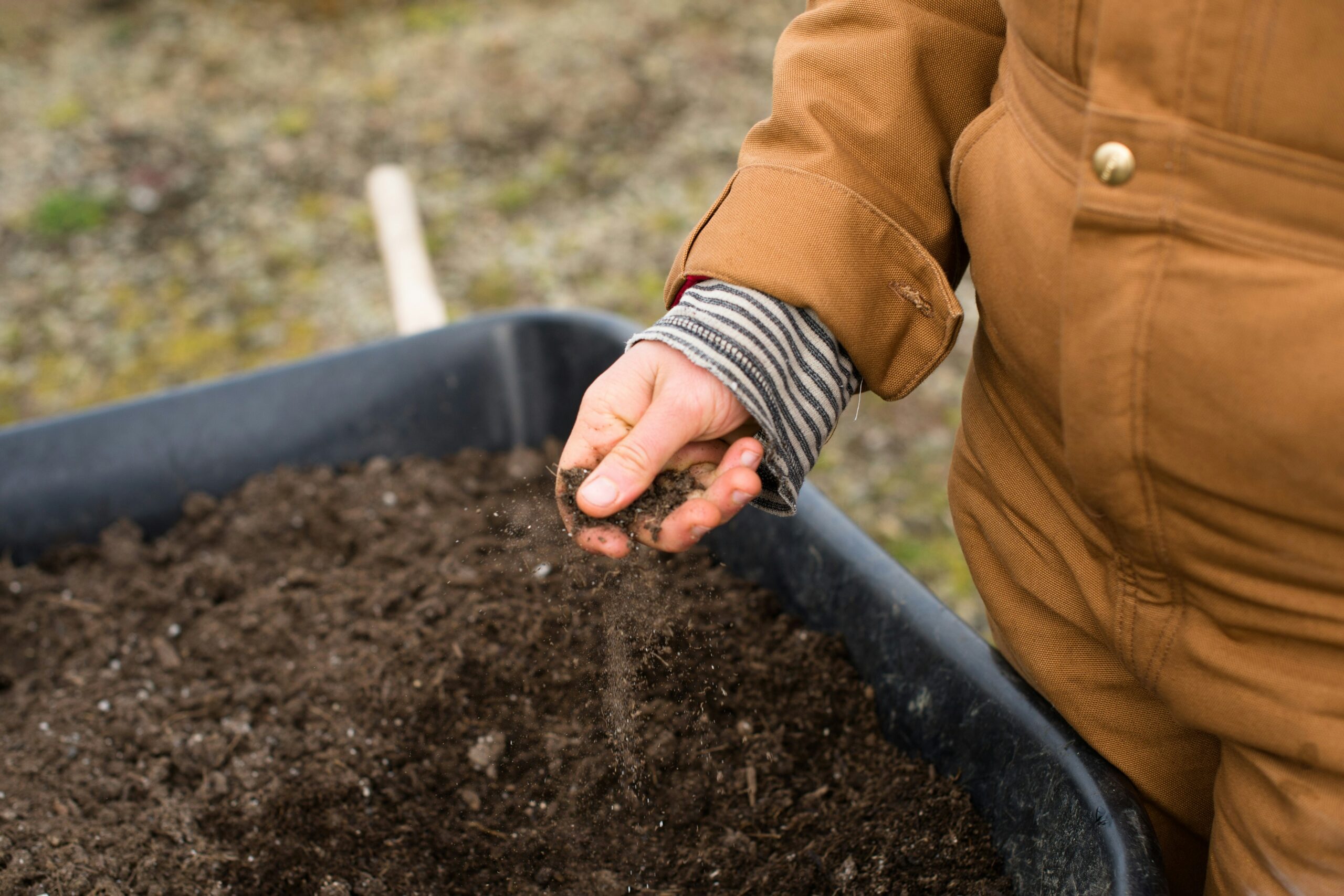
Most gardeners spend their first season fighting clay, removing weeds from compacted soil, and watching seeds fail to germinate. Typically, the problem is not with the technique. They started with the incorrect basis.
A raised bed does more than shift the location of your plants. It affects what they grow in, and this distinction is more important than nearly any other decision you’ll make in the garden.
The Soil Problem No One Talks About Enough
Walk into any backyard in a residential neighborhood and dig down six inches. What you’ll typically find isn’t gardening soil, it’s construction fill, compacted subsoil, or heavily depleted ground that’s been trodden on for years. It may drain poorly, compact easily under watering, or sit so dense that fine root systems can’t penetrate it.
In-ground gardening assumes you’re working with decent native soil. Most people aren’t. Raised beds let you sidestep that problem entirely by defining your growing medium from the start. You’re not amending what’s there, you’re building something better from scratch.
The best fill for a new raised bed isn’t fancy. A ratio of roughly three parts compost to one part soilless potting mix gives you a loose, nutrient-rich medium that drains well, holds enough moisture to avoid constant watering, and stays aerated enough for roots to move freely. Unlike native topsoil, it won’t crust over after rain or turn into a brick after a dry spell.
That said, don’t make the common mistake of filling your beds with basic topsoil from a garden center. Topsoil without amendment compacts almost immediately and creates the same drainage problems you were trying to escape.
What Good Soil Structure Actually Enables?
Here’s something worth thinking about: plant spacing recommendations on seed packets are written for row gardens in open ground. They assume roots will spread horizontally, which they will, in shallow, compacted soil.
But give roots a deep, loose medium to grow through, and they’ll go down instead of out.
This changes everything about how densely you can plant. Crops like peas or lettuce that would normally need several inches of horizontal clearance between them can be planted much closer together when their roots have room to go vertical.
The result is more plants per square foot, more harvests per season, and a garden that punches well above its physical footprint.
A raised bed also drains in a way that in-ground soil rarely does naturally. Most vegetables, such as brassicas, root vegetables, and salad greens, want consistent moisture but despise sitting in waterlogged soil.
Poor drainage leads to root rot, mold, and plants that look perpetually stressed even when watered properly. Gravity does the work in a raised bed, pulling excess moisture through the loose medium while retaining just enough for plant uptake.
Extending Your Season from Both Ends
One of the less obvious advantages of raised beds is thermal. A raised bed warms up faster in late winter than the ground around it because it’s exposed on multiple sides and the soil mass is smaller.
In colder climates, this can translate to planting two to four weeks earlier in spring, which, depending on your frost dates, might mean the difference between one harvest of lettuce or two.
The effect works at the other end of the season too. Soil that retains warmth into autumn lets you push cool-season crops later than you could in the open ground.
If you’re gardening in a short-season climate, this isn’t a minor bonus; it’s a meaningful extension of what you can actually grow and complete in a year.
Building the Bed: Practical Decisions That Matter
Location first. Before anything else, observe where sunlight lands in your yard. Take a few photos on a sunny day and compare shaded versus open areas.
Most vegetables need a minimum of six hours of direct sun; eight or more is better in northern latitudes. Structures to the south of your garden fences, trees, and neighboring buildings will cast shade that’s easy to underestimate in spring when the sun sits lower. Where the snow melts first in late winter is a reliable indicator of which spots get the most sun exposure.
A slight slope is helpful for drainage. Dead-flat ground can develop pooling problems, especially with heavier watering. If your yard is steeply sloped, raised beds can still work; they require more care in construction to keep them level.
Size and access. A 4×8-foot bed is a practical starting size. Most adults can comfortably reach two feet from either side, which means every part of a four-foot-wide bed is accessible without stepping in. Never step in your raised bed. Compaction is the enemy of everything you’re trying to build.
Wood selection. Pine is fine for a first bed. It won’t last as long as cedar or hardwood, but it’s cheap, widely available, and gives you flexibility to experiment with sizing and layout before committing to something more permanent. If you want longevity, cedar is worth the extra cost. Avoid pressure-treated lumber near food crops the chemicals used in treatment aren’t something you want leaching into your soil.
A simple frame using 2×6 or 2×8 boards screwed into 4×4 corner posts is sturdy, easy to build, and doesn’t require any woodworking skill. Six to eight inches of depth is the minimum. Deeper is better. Twelve inches gives roots significantly more room and holds more soil volume, which stabilizes moisture levels between waterings.
Before you fill. Lay cardboard over the ground inside the frame. It suppresses whatever is growing below, breaks down over a season or two, and draws in earthworms as it decomposes. Avoid cardboard with glossy printing or heavy tape residue. This single step prevents a lot of weed pressure from below during your first year.
Mulch: The Finishing Layer That Keeps Everything Working
Once the bed is filled and planted, mulch is what holds it all together. A two- to three-inch layer of organic material on top of the soil reduces evaporation dramatically in summer heat; an unmulched bed can dry out twice as fast as a mulched one.
It also suppresses weed germination by blocking light from reaching the soil surface.
As organic mulch breaks down, it feeds the soil biology below it, fungi, bacteria, and earthworms, which in turn makes nutrients more available to your plants. This is a slow process, but it’s compounding. A bed that’s been mulched consistently for three years has noticeably different soil than a new one.
The best mulches are free or cheap: fallen leaves shredded in autumn, wood chips from a local arborist, spent coffee grounds from a nearby café. You don’t need to buy specialty products.
Growing on Difficult Ground
Raised beds solve problems that in-ground gardening simply can’t. Contaminated soil from old paint, industrial runoff, or prior agricultural chemical use is more common in residential areas than most people realize.
A raised bed filled with clean growing medium sits entirely above whatever is below, giving you a safe growing environment regardless of what’s in the native soil.
The same logic applies to concrete, paving, or hardscaping. With a raised bed, any surface that gets adequate sunlight becomes a potential garden. This opens up rooftops, courtyards, paved side yards, and balconies that would otherwise be completely unusable for food production.
For gardeners with mobility limitations, the height of a raised bed is genuinely transformative. A bed built to 24 inches allows someone to tend and harvest at waist height without bending or kneeling, which makes daily garden maintenance sustainable in a way that flat-ground gardening often isn’t.
What Doesn’t Belong in a Raised Bed?
Raised beds work brilliantly for most vegetables, but a few crops are better suited elsewhere.
Sprawling vines pumpkins, watermelons, and winter squash have a horizontal growth habit that eats up bed space fast. Unless you’re prepared to train them over a trellis or off the side of the bed, they’ll crowd out everything around them. Give them their own dedicated patch of ground.
Potatoes spread aggressively underground and do better in dedicated containers or hilled rows. Mint, despite being a useful herb, is invasive enough that it should be grown in its own pot regardless of your gardening setup. It will outcompete everything else in a shared bed.
Common Mistakes in the First Season
Filling with native topsoil. It seems obvious to use what’s available, but unamended topsoil compacts quickly and performs poorly in a raised bed environment. Invest in the right mix upfront.
Skipping cardboard. Weeds don’t stop at the edge of a wooden frame. Without a barrier at the base, persistent weeds will grow up through the bed from below.
Building too big to reach. A six-foot-wide bed sounds like more growing space, but if you can only comfortably reach two feet from either side, the center third becomes a no-man’s land you’ll either ignore or step on.
Planting in full shade. Enthusiasm sometimes overrules observation. If an area of your yard doesn’t get at least six hours of direct sun, most vegetables won’t thrive there, no matter how good the soil is.
The Compounding Return
A raised bed is an investment that improves with time. The soil gets better each season as organic matter breaks down, earthworm populations grow, and microbial activity deepens. What starts as a productive first-year bed becomes a noticeably more fertile growing environment by year three or four.
That’s the fundamental argument for building one. It’s not just about avoiding weeds or making gardening more comfortable, though it does both. It’s that you’re building a growing environment that works with biology rather than against it, and that system gets more capable the longer you run it.
FAQ
How long does a wooden raised bed last?
Pine framing typically lasts four to seven years before rot becomes a structural issue. Cedar can last fifteen years or more. Metal and composite beds don’t degrade. If longevity matters, spend more on materials upfront.
Do I need to replace the soil each year?
No. Top up with a few inches of compost each spring, and the soil structure improves over time rather than depleting. Annual replacement is unnecessary and expensive.
Can raised beds work in partial shade?
For leafy greens, lettuce, spinach, arugula, and chard, four to five hours of direct sun is workable. Fruiting crops like tomatoes, peppers, and squash need a minimum of six to eight hours.
Is it worth adding drip irrigation?
In dry locations or for gardeners who travel, a simple drip timer is one of the most useful additions. Raised beds dry out faster than in-ground beds, especially in the summer, and maintaining regular moisture directly at the root zone decreases disease pressure and increases yields.