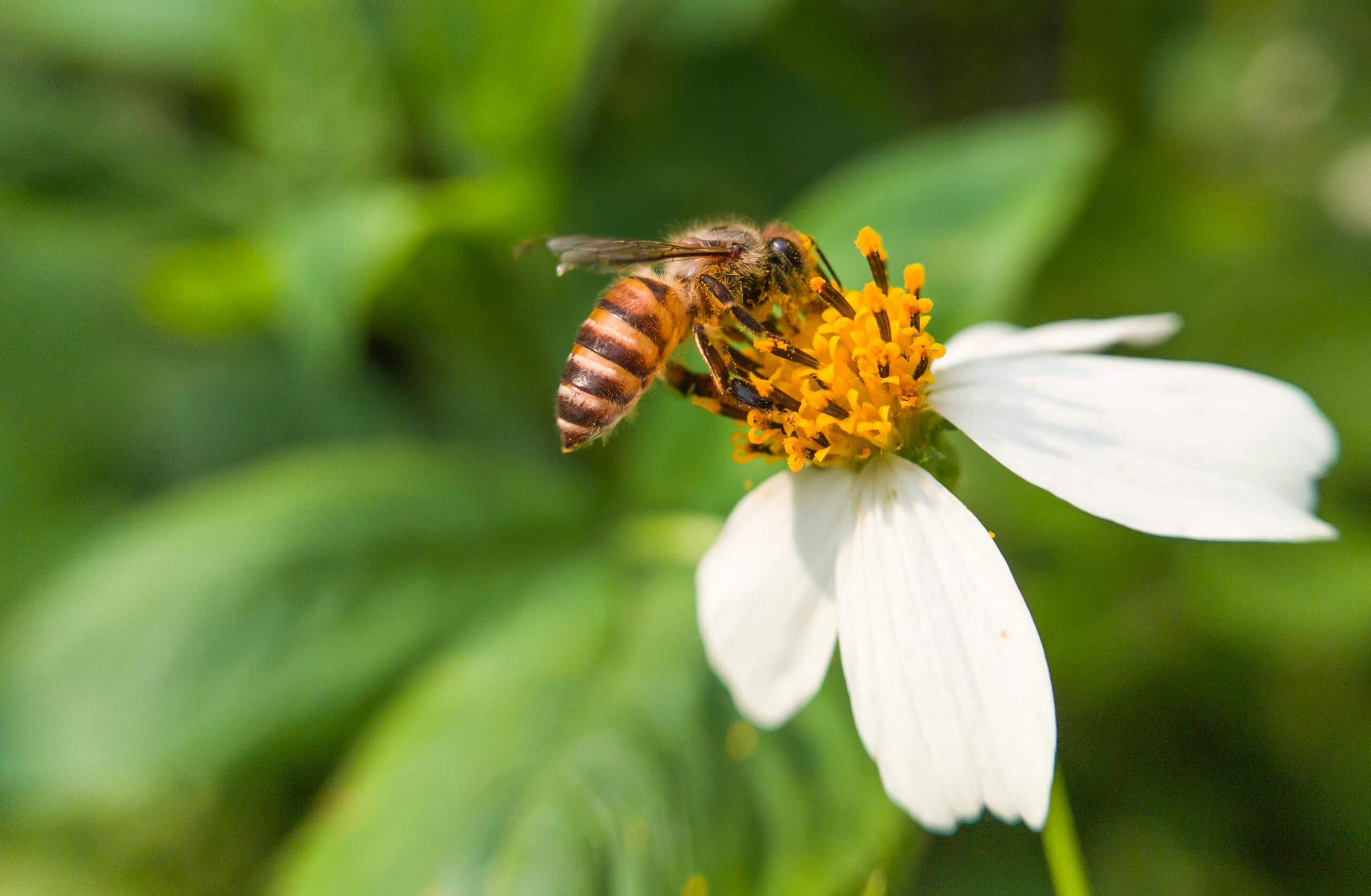
Every serious gardener has a moment when they’ve planted lavender, salvia, and beautiful alliums, and their yard looks great. The vibe is off. Without stopping, butterflies pass. Bumblebees are sparse. Meanwhile, a neighbor’s “messy” wild bergamot and ironweed patch sounds like an airport.
That’s no coincidence. Co-evolution.
Local pollinators and native plants have adapted over thousands or millions of years. Native plants’ flower shape, bloom time, pollen composition, and smell weren’t accidental.
The insects and birds that visited them spurred their development. Replacing that system with ornamentals turns a fully stocked kitchen into a showcase. It looks fantastic, but nobody eats.
Why “Native” Matters More Than You’d Think
In general, most farmers know that native plants are good for pollinators. Not as many people know how specific these interactions can be or how important they are.
Entomologists call about half of all native bee types “specialist” bees. That means their young can only live on pollen from a single species or genus of local plant. As an example, the geranium mine bee can only raise its young on pollen from wild geranium (Geranium maculatum). Bees and plants evolved together, but that doesn’t mean that a geranium or an impatiens in a garden can grow in the same way.
Moths and butterflies both do the same thing, but they do it differently. Their caterpillars eat leaves instead of pollen, and most species are very attached to certain plants that they feed on. It is well known that monarch caterpillars need milkweed.
Wild flowers are important for fritillary butterflies. Black-eyed Susans and sunflowers are both important for the silvery checkerspot. None of this can be changed.
This is why a yard full of non-native ornamentals, even ones that adult butterflies visit for the nectar, doesn’t always help reproduction. The adults are being fed, but the next generation is going hungry.
Building a Garden Plan Around Bloom Succession
The single most overlooked element of a good pollinator garden isn’t plant selection, it’s timing. Different pollinator species emerge at different points in the season, and they need food waiting for them when they do.
A garden that peaks in July and August leaves early spring and fall pollinators with nothing.
A functional native plant plan should produce something in bloom from April through October, at a minimum.
Early season (April–June) is critical for queen bumblebees coming out of hibernation and early specialist bees tied to spring-blooming plants. Golden Alexander (Zizia aurea) fills this role beautifully. It blooms from April through June, tolerates part shade, and serves as a host plant for black swallowtail butterflies, the same species that lays eggs on your dill and parsley. Wild geranium (Geranium maculatum) overlaps this window nicely, handling deep shade that most flowering perennials can’t tolerate, while supporting those specialist mining bees.
Midsummer (June–August) is when most people’s pollinator gardens are already covered. Purple coneflower (Echinacea purpurea), wild bergamot (Monarda fistulosa), lavender hyssop (Agastache foeniculum), and rose milkweed (Asclepias incarnata) are all excellent performers during this stretch. The real challenge is not planting only these; it’s a common mistake that creates a July peak followed by a steep dropoff.
Late season (August–October) matters enormously and is consistently underplanted. Smooth blue aster (Symphyotrichum laeve) is a standout here. Asters, as a genus, are considered keystone species by researchers like Doug Tallamy, supporting over 100 species of butterfly and moth larvae while providing critical late-season nectar for monarch butterflies preparing to migrate and queen bees fattening up before hibernation. Ironweed (Vernonia fasciculata), Joe Pye weed (Eutrochium spp.), and native sunflowers (Helianthus spp.) round out this window beautifully.
A Simple Framework for Designing the Planting Beds
You don’t need a master plan from a landscape architect. What you need is a rough layered structure that puts the right plants in the right conditions.
Layer 1: Canopy and structure plants: If you have any trees, oak species in particular are extraordinary pollinator plants, supporting hundreds of caterpillar species (which in turn feed birds). Serviceberry (Amelanchier) works well for smaller spaces and provides early spring flowers.
Layer 2: Mid-height perennials (2–5 feet): This is where most of the action happens. Think coneflower, wild bergamot, Joe Pye weed, ironweed, and rose milkweed. These are the plants you’ll be photographing every weekend.
Layer 3: Low-growing ground layer: Wild violets, wild geranium, and creeping plants fill this space. Ground-nesting bees, which make up about 70% of all native bee species, need access to bare or lightly covered soil. Avoid thick mulch in these zones. A light gravel mulch or exposed soil patches are far more functional.
| Bloom Period | Plant | Height | Key Benefit |
|---|---|---|---|
| April–June | Golden Alexander | 2–3 ft | Black swallowtail host, early nectar |
| April–June | Wild Geranium | 12 in | Specialist bee support, shade-tolerant |
| June–September | Wild Bergamot | 2–4 ft | Long-tongue bee magnet, aromatic |
| June–August | Rose Milkweed | 3–4 ft | Monarch host, wet-tolerant |
| June–September | Lavender Hyssop | 3 ft | 3-month bloom, bird seed source |
| July–September | Ironweed | 4–6 ft | Late migrator food, drought-tolerant |
| August–October | Smooth Blue Aster | 2–4 ft | 112+ moth/butterfly species host |
| July–August | Western Sunflower | 2–4 ft | Specialist bee host, bird seed |
The Cultivar Question
People ask this a lot, so I’ll say it straight out: cultivars are not the same as pure native species, but they’re also not all useless either.
The problem is that plant farmers choose plants based on traits that people like, such as flowers with strange colors, double petals, small sizes, and purple or dark leaves. A lot of these changes make it harder for pollinators to get to the plants.
Most insects can’t get to flowers with two petals. The popular “Dark Towers” penstemon has dark purple or black leaves that won’t work as a larval host plant, even if the flowers draw adults. Bees use UV reflection patterns to find flowers. If a flower’s color changes a lot, those patterns can become less reliable.
Pollinators tend to still like cultivars that have only changed the size or length of the blooms. The flower shape, color, and leaves stay close to the straight species.
The “Magnus” coneflower still does most of what it was meant to do in the ecosystem. “Little Joe” Joe Pye weed, which is only 3–4 feet tall compared to the species’ 6+ feet height, can grow in smaller gardens without losing much ecological value.
Pick the straight species if you have to choose between a version and it. Most of the time, a cultivar is better than a decorative plant that is not native to the area.
A Real-World Example: Transforming a Suburban Side Yard
A 3-foot-wide strip between a garage and a wooden fence is a great place for a native plant. Most people either mulch this area and forget about it or plant hostas there. It’s usually in part shade, the ground is usually packed down, and it’s overlooked.
Putting a mass planting of ironweed (Vernonia fasciculata) along that strip and some wild bergamot in front of it will fill in in two years, and won’t need any watering once it’s established.
By the third year, it will be bringing animals you’ve never seen in your yard before.
The ironweed borer moth will find it in the end. It is a specialist that needs ironweed to finish its life cycle. To become adults, the caterpillars dig into the ground. Because of this, this type of planting needs some bare soil and shouldn’t be covered in wood chip mulch.
In addition to being better for the environment, you’ll never have to cut that strip again.
Common Mistakes That Undermine Pollinator Gardens
Planting only for adult pollinators. If you only choose plants with showy flowers, you’re likely missing the larval host plants that allow reproduction. Fritillary butterflies need wild violets. Without violets, the adults will visit your coneflowers, but can’t breed in your yard.
Overusing mulch. The default gardening advice to mulch everything heavily is genuinely harmful to ground-nesting bees. Leave areas with exposed or loosely covered soil, especially in sunnier spots.
Going all-in on one season. A garden that peaks in August and has nothing blooming in April or October is a food desert for early- and late-season specialists.
Deadheading everything. Seed heads from coneflower, sunflower, and aster feed goldfinches, chickadees, and other birds through fall and winter. Leave them standing until late February or March.
Choosing non-regional natives. A native plant from Texas and a native plant from Maine are both technically “native to North America,” but they’re not the same thing to your local pollinators. Sourcing plants from regional nurseries or propagating from local ecotypes ensures the strongest ecological match.
FAQ
Do I need a large yard to make a meaningful difference?
No. Research from Doug Tallamy and others suggests that even a few well-chosen host plants in a small urban plot contribute meaningfully to the local food web. A single oak tree can support hundreds of caterpillar species. Container plantings of annual sunflowers on a city balcony will attract specialist sunflower bees that may then establish nearby.
Is it okay to mix native and non-native plants?
Practically speaking, yes. Aiming for roughly 70% native plants by area gives pollinators the critical mass they need while still leaving room for plants you love that aren’t native. What matters most is having native host plants present, not achieving 100% purity.
How long does it take for pollinators to find a new planting?
Faster than most people expect. Bumblebees, native sweat bees, and common butterflies will often discover new flowering plants within days. Specialist species tied to specific hosts take longer, sometimes two to three seasons, but they do find the plants, especially if the host plant is scarce in your broader neighborhood.
What about deer?
Most of the plants described here have natural deer resistance built in, usually through aromatic foliage, hairy leaves, or bitter compounds. Wild bergamot, mountain mint, ironweed, and most asters are rarely browsed. Milkweeds contain cardiac glycosides that deter most mammals. This is one practical advantage native plants often have over conventional ornamentals.
Conclsuion
When you’re making an ecologically sound garden, where function is more important than just color and shape, you’ll feel really good about yourself. When a bee you’ve never seen before visits the plant you put there just to help it, the yard stops being something you take care of and becomes something you take part in.