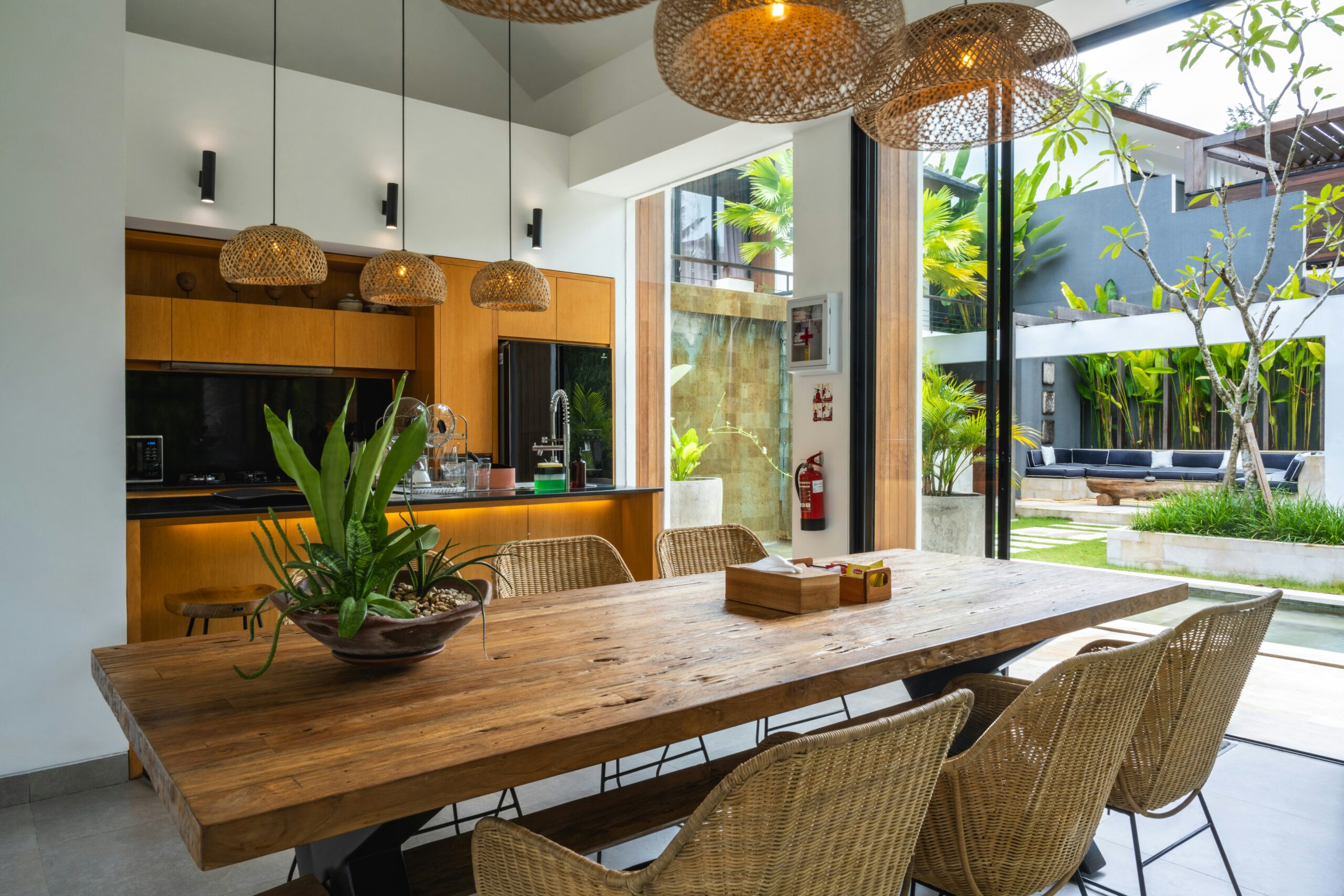
A summer kitchen is more than just a place to flip burgers. It is a cherished privilege that fosters conviviality and shared enjoyment. Whether you have a sprawling estate or a cozy patio, these culinary hubs can be set up almost anywhere. Place one near a swimming pool, on a terrace, or tuck it into a lush corner of the garden.
By blending functionality with personal style, an outdoor kitchen becomes a true extension of your living space. It lets you savor the warmer months to the fullest.
When planning your layout, remember that the basics remain consistent. You need an essential water source, dedicated storage for equipment, and a primary cooking area such as a barbecue, outdoor oven, or griddle. Beyond these essentials, the design should reflect your unique aesthetic.
Choices range from simple upcycled workbenches to cutting-edge architectural blocks.
Defining Your Outdoor Culinary Style
The overall feel of your summer kitchen should harmonize with the rest of your garden. Whether you favor reclaimed wood or modern minimalism, setting the right tone is essential. Next, select materials and features that reinforce your chosen style. Take time today to envision your ideal kitchen atmosphere and begin planning your transformation.
1. Rustic and Country Charm
For those who love a timeless, lived-in feel, rustic designs use authentic materials like exposed stone and heavy wooden beams. Incorporating furniture with decorative moldings and retro-style faucets can help the kitchen blend seamlessly into a natural environment.
A stunning fireplace or a traditional wood-fired oven often serves as the heart of these spaces.
2. Modern Minimalism
If your home features contemporary architecture, your summer kitchen should follow suit with clean lines and “handleless” cabinetry. Materials like black concrete with handcrafted, imperfect lines can add a sophisticated touch to a Mediterranean-style setup.
For a high-end look, consider integrating professional-grade equipment like range hoods and large cooktops under a contemporary awning.
3. Bohemian and Upcycled Aesthetics
You don’t need a massive budget to create a functional space. DIY enthusiasts can craft a “vintage” kitchen using a repurposed workbench, zinc basins, and simple shelving.
A steel serving cart covered in tiles can serve as a durable work surface, proving that with a little imagination, “practically nothing” can become a charming garden highlight.
Functional Layouts for Every Need
You must consider how the space will be used. Functionality is paramount; the layout must correspond to your daily habits, whether you are hosting large dinner parties or preparing simple poolside snacks.
The Social Island
A large, striking island is the ultimate choice for those who love to entertain. By dedicating one side to food preparation and the other to high stools, you create a welcoming bar area where guests can chat with the cook.
Adding graphic tiles or a thick marble countertop gives the island undeniable flair.
The Practical L-Shape
Just like indoor kitchens, the L-shaped layout offers high everyday practicality. This design often allows for a functional bar area, making it the perfect spot for a quick coffee or a casual lunch for two.
It maximizes corner space and provides a clear workflow between the sink, prep area, and grill.
The Linear Wall Kitchen
If space is at a premium or you want to keep the kitchen tucked away, a long, fitted kitchen along a partition wall is ideal. This configuration creates ample storage and a large, continuous work surface. It often includes a sink and a wood-burning stove as central features
The Architectural Double Block
For a clever and modern approach, some designs use two blocks or “islands” facing each other. This keeps everything within easy reach while subtly hiding unsightly dishes or prep clutter from the view of guests.
Essential Features for a High-End Experience
- Integrated Dining Areas: Many layouts place the kitchen under an awning alongside a generous dining table, inviting family and friends to linger over summer flavors.
- Privacy Partitions: To keep the kitchen distinct from the rest of a terrace, wooden slat panels can create a stylish partition. These preserve the aesthetics of the garden while allowing natural light to filter through.
- Pool House Integration: For the ultimate luxury, combine your kitchen with a pool house. This creates a comfortable transition between swimming and dining, often extending into a full outdoor living room.
- Specialized Cooking Tools: Beyond the standard grill, consider a traditional wood-fired oven for pizzas or a large cooktop for complex side dishes.
Planning Your Summer Kitchen: A Step-by-Step Guide
Designing stylish and inviting summer kitchens for the garden requires careful thought regarding utility and environment. For more detailed technical standards, you might consult resources like Better Homes & Gardens or Architectural Digest.
Step 1: Evaluate Your Utilities
If your outdoor kitchen is a supplement to your indoor one, a simple water connection might be enough. However, if it is a standalone space for a good part of the year, you will need to plan for electricity (for fridges and lighting) and proper drainage for a sink
Step 2: Choose Weather-Resistant Materials
- Wood: Natural wood cabinets or decks offer a warm aesthetic but require maintenance to withstand the elements.
- Concrete and Stone: These are incredibly durable and fit both rustic and modern themes.
- Stainless Steel: Perfect for a professional look and high corrosion resistance.
Step 3: Zone Your Space
Create “work zones” similar to an indoor kitchen. Those who regularly prepare salads and grill meat will appreciate a substantial washing area and a dedicated prep surface. Ensure your “hot zone” (the grill or oven) is safely ventilated, perhaps using a range hood if it is under a roof.
Step 4: Add the Finishing Touches
Don’t overlook the decorative elements that make the space feel “inviting.” Retro tiles, high shelves for organizing pots and baskets, and even handleless cabinets can transform a functional area into a design statement
5 Tips for a Successful Garden Kitchen
To ensure your renovation provides high value for years to come, keep these practical tips in mind:
- Prioritize Workflow: Ensure the path between your indoor kitchen and the summer kitchen is clear, especially if you’ll be carrying heavy trays of food back and forth.
- Think About Lighting: A great summer kitchen should be usable after sunset. Layer your lighting with task lights over the grill and ambient lanterns or string lights over the dining area.
- Storage is Key: Incorporate enough cupboards to house your outdoor-specific dishes and cleaning supplies so you aren’t constantly running inside.
- Consider the “Transition”: Use materials that bridge the gap between your home’s interior and the garden. For example, extending the same flooring type from the living room to the terrace can make the space feel much larger.
- Don’t Forget Shade: While we love the sun, cooking over a hot grill in 90-degree heat can be draining. A pergola, awning, or even strategically placed trees can provide necessary relief.
Conclusion
Whether you choose a minimalist wood design extending from the ceiling or a rustic stone setup with a vintage workbench, the goal is the same: to create a space for conviviality.
By considering your needs, from the number of guests you entertain to the types of meals you cook, you can design a summer kitchen that is both functional and a beautiful garden sanctuary.