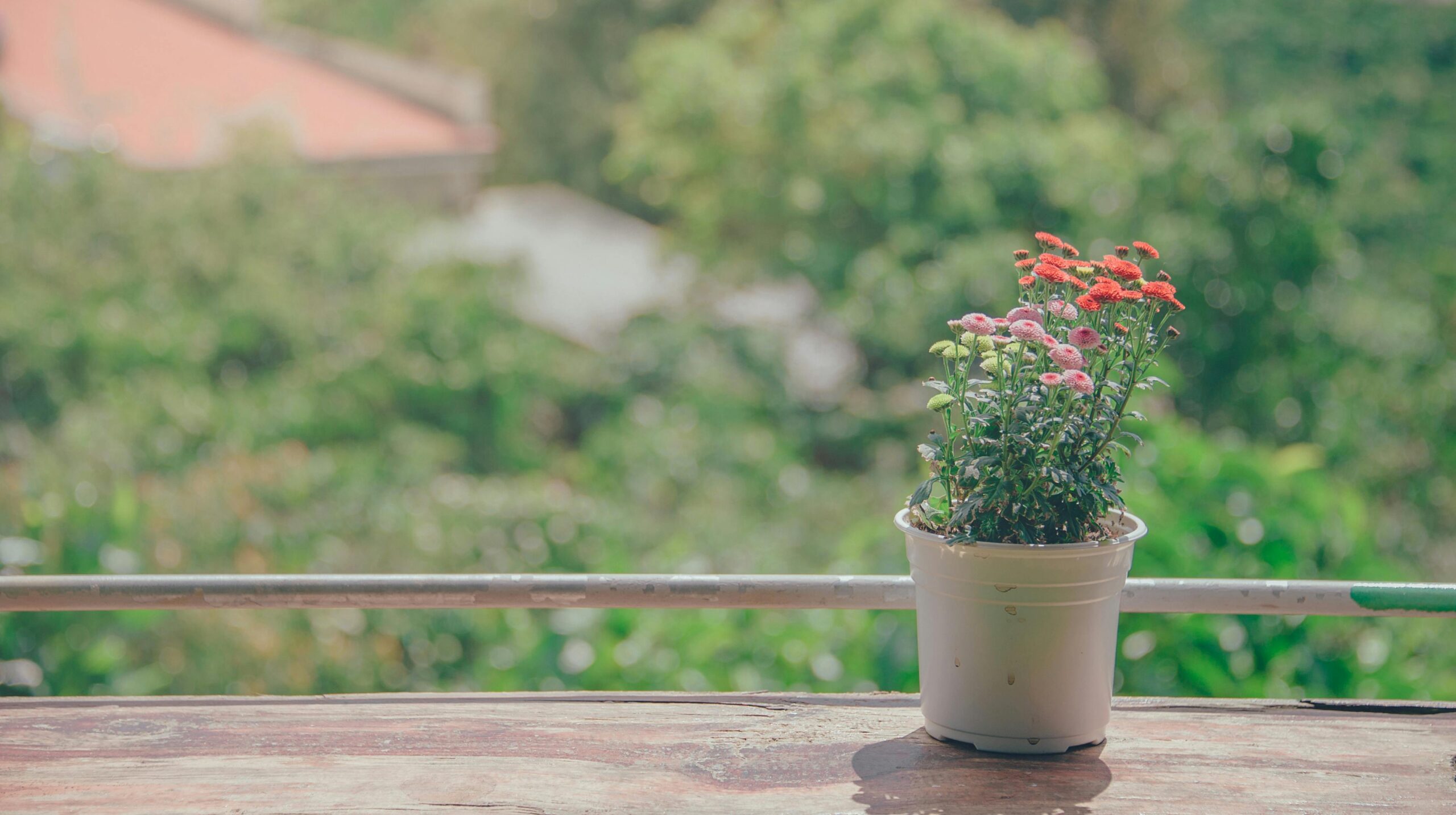
I made every mistake a new gardener can make. I crammed sun-loving black-eyed Susans into a shaded corner. I bought 14 different annuals on impulse, none of which returned the following spring. By August, my “garden” looked like a tired, wilting patchwork.
What changed everything was understanding two things: plant compatibility and intentional layout. Once I stopped treating my backyard like a greenhouse catalog and started treating it like a small ecosystem, the results were transformative.
Step 1: Know Your Space Before You Buy a Single Plant
Before purchasing anything, spend a few days observing your yard at different times of day. Track where sthe unlight falls at 8 AM, noon, and 4 PM. This single step prevents most beginner mistakes.
Key factors to assess:
- Sun exposure: Full sun (6+ hours), partial shade (3–6 hours), or full shade
- Soil type: Sandy, clay-heavy, or loamy — use a simple home soil test kit (available at most hardware stores for under $15)
- Drainage: Does water pool after rain? Poor drainage kills most flowering plants
- Hardiness zone: Find yours using the USDA Plant Hardiness Zone Map — this is the single most authoritative reference for U.S. gardeners
According to the American Horticultural Society, most plant failures in home gardens trace back to mismatched light conditions, not poor care. That’s a fixable problem.
Best Backyard Flower Plants by Sun Exposure
Full Sun Flowers (6+ Hours of Direct Sunlight)
These are workhorses, resilient, often drought-tolerant, and reliably beautiful.
| Plant | Bloom Season | Height | Perennial/Annual | Pollinator-Friendly |
|---|---|---|---|---|
| Black-Eyed Susan | Summer–Fall | 18–30″ | Perennial | ✅ Yes |
| Coneflower (Echinacea) | Summer | 24–36″ | Perennial | ✅ Yes |
| Zinnias | Summer–Frost | 12–36″ | Annual | ✅ Yes |
| Lavender | Late Spring–Summer | 12–24″ | Perennial | ✅ Yes |
| Marigolds | Summer–Frost | 6–24″ | Annual | ✅ Yes |
| Salvia | Spring–Fall | 18–36″ | Perennial/Annual | ✅ Yes |
Pro tip from experience: Zinnias and marigolds are the fastest-payoff annuals you can grow. Direct sow seeds after the last frost date and you’ll have blooms in 6–8 weeks. They’re also proven companions that deter aphids and attract beneficial insects.
Partial Shade Flowers (3–6 Hours of Sun)
Shaded gardens don’t have to be dull. These plants thrive with filtered light.
- Astilbe: Feathery plumes in pink, red, or white; elegant and low-maintenance
- Impatiens: Classic shade annual; prolific bloomer all season
- Coral Bells (Heuchera): Grown primarily for striking foliage in burgundy, caramel, or lime; small flowers are a bonus
- Bleeding Heart: Dramatic arching stems with heart-shaped flowers; fades by midsummer, so plan companion plants around it
Full Shade Flowers
Truly deep shade limits options, but these deliver:
- Hostas (primarily foliage, but spikes of lavender flowers appear in summer)
- Lily of the Valley (fragrant; spreads readily — contain it if needed)
- Lungwort (Pulmonaria) — One of the earliest bloomers in deep shade
Backyard Flower Garden Layout Tips That Actually Work
1. Use the “Thriller, Filler, Spiller” Framework
Originally developed for container gardening, this principle works brilliantly in garden beds:
- Thriller: One tall, dramatic focal plant (e.g., tall Salvia, ornamental grass)
- Filler: Mid-height plants that create fullness (e.g., Coneflower, Zinnias)
- Spiller: Low, spreading plants at the border (e.g., Creeping Phlox, Alyssum)
This creates visual depth and ensures no bare spots during the season.
2. Plant in Odd-Numbered Clusters
Single plants look scattered. Grouping 3, 5, or 7 of the same plant creates impact and makes maintenance simpler. The Royal Horticultural Society consistently recommends odd-numbered groupings for naturalistic planting schemes.
3. Plan for Three-Season Bloom
Map out what blooms when so you’re not left with a dead garden in August:
- Spring: Tulips, Bleeding Heart, Creeping Phlox
- Summer: Coneflower, Black-Eyed Susan, Lavender, Zinnias
- Fall: Asters, Rudbeckia, Ornamental Kale
Layer these so something is always in color.
4. Leave Space for Growth
New gardeners consistently overplant. A bare-looking garden in May becomes lush by July if you respect mature plant widths. Check plant tags or the Missouri Botanical Garden Plant Finder for accurate spread information.
3 Real-World Backyard Garden Examples
Example 1: The Low-Maintenance Pollinator Garden
Sarah M., Portland, OR converted a 12×8 ft. strip along her fence into a pollinator haven. Her plant list: Coneflower, Lavender, Black-Eyed Susan, and Salvia. She used a fabric weed barrier topped with 3″ of bark mulch and spent approximately 20 minutes per week on upkeep. By year two, the perennials self-propagated, and she stopped buying plants altogether. Her observation: “The bumblebees showed up before the garden was even fully planted.”
Example 2: The Shaded Urban Garden
Marcus T., Chicago, IL had a north-facing backyard with virtually no direct sun. He built raised beds and filled them with Astilbe, Hostas, Bleeding Heart, and Impatiens. He supplemented with grow lights for seed-starting. His key insight: “I stopped fighting the shade and started designing for it. The garden looks completely intentional now.”
Example 3: The Cut Flower Garden
Diane L., Asheville, NC planted a dedicated 20×10 ft. cutting garden with Zinnias, Sunflowers, Lisianthus, and Dahlias. She used a basic grid layout with 12″ spacing, staggered planting times to ensure a continuous harvest, and documented her yields.
In her first full season, she produced enough blooms to supply a local farmers’ market stand every weekend from June through October. She referenced “The Flower Farmer” by Lynn Byczynski as her primary resource — a highly recommended read for anyone interested in this approach.
Annual vs. Perennial Flowers for Backyard Gardens
| Factor | Annuals | Perennials |
|---|---|---|
| Cost | Lower upfront per plant | Higher upfront, lower long-term |
| Bloom Season | Often all season | Specific window (weeks to months) |
| Return Next Year | No (must replant) | Yes |
| Variety of Colors | Extremely wide | More limited |
| Best For | Filling gaps, seasonal color | Garden structure, low maintenance |
| Examples | Zinnias, Marigolds, Impatiens | Coneflower, Lavender, Astilbe |
| Maintenance | Higher (seasonal replanting) | Lower after establishment |
A well-designed backyard garden uses both. Perennials form the backbone; annuals fill gaps and provide season-long color while perennials are between bloom cycles.
Common Mistakes to Avoid
- Ignoring soil prep: Even the best plants struggle in compacted, nutrient-poor soil. Amend with compost before planting — typically 2–3 inches worked into the top 6–8 inches of soil.
- Planting too deep: Most flowering plants should be planted at the same depth they were in their nursery pot. Planting crowns below soil level causes rot.
- Skipping deadheading: Removing spent blooms on annuals like Zinnias and Marigolds extends flowering by weeks. It signals the plant to produce more blooms rather than set seed.
- Watering overhead: Water at the base of plants when possible to reduce fungal disease. This is particularly important for roses and dahlias.
Conclusion
The best backyard flower garden is one that grows with you. Don’t try to do everything in year one. Pick a 4×8 ft. bed, choose 5–7 plants that match your sun conditions, and pay attention to what thrives and what struggles. Every season teaches you something a blog post can’t.
The gardeners who build beautiful, sustainable backyard gardens aren’t the ones who spent the most money at the nursery — they’re the ones who stayed curious and kept adjusting.