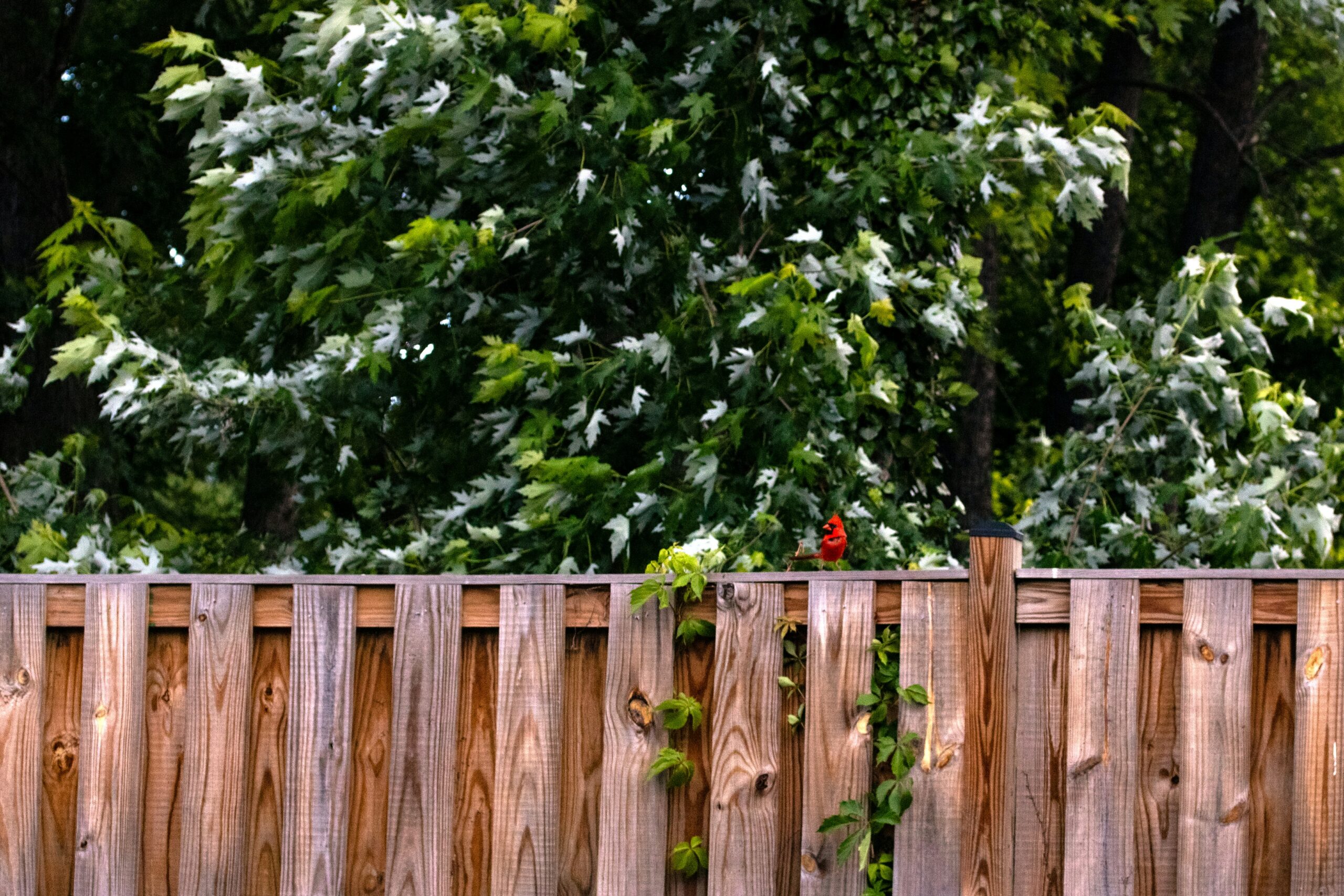
Do you wish you had a private backyard oasis where you could unwind, have fun, or enjoy a cup of coffee without anyone seeing you? You’re not by yourself. A lot of people love their outdoor space, but don’t like how private it is. The answer doesn’t have to be a boring wooden fence.
A beautiful and live way to divide your space is to use plants to do it. Some neighbourhoods have backyards that flow into each other, or you may want to add colour, texture, and seasonal interest to your property line. The right privacy tree or bush can completely change your yard.
This guide gives you the best choices for both small and large yards, with options for full sun, part sun, and shade. It uses advice from nurseries and horticultural studies to do this.
Before You Plant: Key Considerations
The screening plant you choose will depend on how much room you have and whether you want to make a solid border or decorate hardscaping that is already there. Before choosing a tree or bush, you should always think about:
- Mature height and width: Know how wide a plant will grow at full maturity, and plan your spacing accordingly. A good rule of thumb: note the mature spread of the tree and plant it that same distance from your fence or property line.
- Sun requirements: Sun is critical, especially in southern regions. Full-sun plants placed in shade (and vice versa) will struggle and never reach their screening potential.
- Your hardiness zone: Always match plants to your USDA zone so they can survive winter conditions in your area.
- Overhead utilities and neighboring property: Larger deciduous trees can extend onto adjacent property. Consider what’s on the other side of the fence before you plant.
A tip from nursery growers with a lot of experience: figure out how wide you want your screen to be when it’s fully grown, then pick plants whose combined sizes fit within that range, giving you some extra room.
The Case for Mixing Plants
People make a big mistake when they put just one type of plant for their whole privacy screen. A straight hedge of arborvitae or cypress can work, but it only gives you one colour, one texture, and no yearly interest other than the greenery.
Mixing plants is better. For example, you could have a tall evergreen backbone and bushes that add colour, scent, flowers, and movement all year long. You could make a screen that is both pretty and useful by alternating your anchor trees with flowering shrubs, colourful foliage plants, or decorative grasses.
Best Privacy Trees & Shrubs for Large Yards
Thuja Green Giant
A lot of people choose the Green Giant arborvitae as their protection tree, and for good reason. If you leave it alone, it can grow 3 to 5 feet in a year, quickly turning an empty yard into a thick green screen. The plant naturally grows in a dense pyramid shape, so it doesn’t need much or any trimming. It stays bright green all year.
It’s also immune to deer, which is great for people who have to deal with garden nibblers. Place Green Giants about 5 to 6 feet apart to make a strong, continuous protection hedge. The only catch is that when it grows up, the base can be 15 feet wide or more, so it works best in yards with lots of room.
- USDA Zones: 5–9.
- Mature Size: Up to 60 ft. tall, 15 ft. wide.
- Light: Full sun.
Leyland Cypress
Another very popular choice for quick protection is the Leyland Cypress. It grows 2 to 4 feet taller every year and has beautiful blue-green leaves that are a bit softer and fluffier than regular arborvitae leaves. It gives your yard a different look.
It can grow in a lot of different types of soil and along the coast, which makes it a flexible choice. But here’s something important to keep in mind: if you don’t trim it regularly, it can quickly outgrow its space and get very wide and tall, and it may fight hard with nearby plants for water and nutrients.
Plant Leyland Cypress trees about 6 to 8 feet apart, and be ready to trim them often to keep them in check.
- USDA Zones: 6–10.
- Mature Size: 60–70 ft. tall.
- Light: Full sun.
American Holly
The American Holly is the best choice for people who want a privacy screen that will last a lifetime. This towering evergreen tree has a strong, dense shape and can grow to be 30 to 50 feet tall. This plant is famous for its dark green, spiny leaves and its bright red berries that stay on all winter, looking great against snow and giving birds food they need.
The American Holly can grow in a lot of different types of land and does well in a lot of different climate zones. Even though it doesn’t grow as quickly as the Green Giant or the Leyland Cypress, it will become big, dense, and beautiful all year, making it a strong, traditional privacy divider that gets better with age. Leave about 10 to 15 feet between them.
- USDA Zones: 5–9.
- Mature Size: 30–50 ft. tall.
- Light: Full sun to part shade.
Nelly R. Stevens Holly
A lot of people think of holly as a small bush, but the Nelly R. Stevens Holly is truly beautiful. This broadleaf evergreen tree grows into a thick pyramid shape that is 20 to 25 feet tall and 10 to 15 feet wide.
Besides being a privacy screen, what makes it stand out is the large number of bright red berries it bears in the autumn and winter. This turns your privacy screen into a living ecological feature that birds will enjoy.
It doesn’t need much care and can survive in dry conditions once it’s established. Deer also tend to avoid it because its leaves are slightly spiky. Space them out about 8 to 10 feet.
- USDA Zones: 6–9.
- Mature Size: 20–25 ft. tall, 10–15 ft. wide.
- Light: Full sun to part shade.
Sweet Bay Magnolia
Some people might be surprised by this choice, but the Sweet Bay Magnolia is a great privacy tree that gets little attention. It grows naturally with many stems and dense leaves that make a thick, lush screen. In late spring and early summer, it blooms with fragrant, creamy white flowers that make your private oasis smell great.
In the autumn, these flowers turn into beautiful red seeds that birds love. It does better in wet soils than many other trees, and because it grows slowly, you can use it as a screen without it getting out of hand.
In mild conditions, it stays green all year. In colder areas, it loses its leaves, but it still provides dense coverage during the warmer months. Space them out about 10 to 12 feet.
- USDA Zones: 5–9.
- Mature Size: 10–35 ft. tall.
- Light: Full sun to part shade.
Best Privacy Trees & Shrubs for Small Yards
American Pillar Arborvitae
When it comes to neighbourhoods with narrow yards, the American Pillar arborvitae is one of the best options. It grows straight up and narrow, getting 18 to 20 feet tall and staying only 4 feet wide when it’s fully grown.
Due to this, it is perfect for yards where you can’t give up the space that a Green Giant would need. You should know that American Pillar usually needs a year or two to establish itself before it starts to grow fully.
Wait for a while. It will really take off after some time to get its roots down. When it’s happy, it makes a lovely, tight column of annual screening.
- USDA Zones: 5–8.
- Mature Size: 18–25 ft. tall, ~4 ft. wide.
- Light: Full sun.
North Pole Arborvitae
You can use the North Pole arborvitae instead of the American Pillar if you want something a little thicker and broader to begin with. It gets about 15 feet tall at its tallest point and can get about 5 feet wide at its widest point, making it smaller overall.
It does well in full sun to part shade, and like all arborvitae, it doesn’t need much cutting because it grows in a beautiful, neat way on its own. Additionally, it grows quickly, which is great when you need protection right away. Plant them in a “windowpane” design, which is a staggered double row, to get the most density. This will make a solid visual block.
- USDA Zones: 3–7 (performs well in zone 8A too).
- Mature Size: 15 ft. tall, ~5 ft. wide.
- Light: Full sun to part shade.
Spartan Juniper
The Spartan Juniper features a narrow pyramidal shape that fits well against a fence, even in the smallest yards. This evergreen adapts to most well-draining soil types and is both drought and salt-tolerant — making it an excellent choice for challenging conditions.
Trees naturally develop an attractive form, but can easily be pruned to any desired shape, including topiary, if you want a more formal look.
- USDA Zones: 5–9.
- Mature Size: ~15 ft. tall.
- Light: Full to part shade.
Skip Laurel
The skip laurel (also called cherry laurel) is adaptable, low-maintenance, and produces glossy evergreen foliage that creates a perfect tall hedge for privacy. Fragrant white blossoms in spring are followed by red berries that attract songbirds, giving your screen a lively ecological bonus.
This tree fares well in urban conditions, and its manageable Size makes it fit almost any yard. Note: Its foliage and berries are toxic to people, pets, and horses, so position it accordingly.
- USDA Zones: 4–9.
- Mature Size: 10–25 ft. tall.
- Light: Full sun to part shade.
Best Companion Shrubs to Pair with Your Privacy Screen
Anchor trees work best as part of a privacy screen when they are paired with shrubs and flowering plants that add colour, texture, and yearly interest. Here are some great friends:
Loropetalum (Chinese Fringe Flower)
Loropetalums are a southern favorite for good reason. With beautiful, deep purple foliage and a mounded, weeping habit, they create a stunning color and textural contrast when paired with tall, narrow evergreens.
They bloom in late winter with shredded, fringe-like hot pink flowers that cover the plant. There are dozens of cultivars available, from the compact ‘Purple Daydream’ (about 2×2 feet) to the larger ‘Jazz Hands Pink’ (3 to 5 feet). They’re low-maintenance, requiring little to no pruning, and thrive in full sun.
Viburnum (Chindo & Yardline)
If you need privacy fast, Chindo Viburnum is your plant. It grows like a weed — in the best way possible — and can handle anything from full sun to fairly shady conditions. Its glossy green leaves stay attractive year-round, and once established, it becomes very drought-tolerant.
Chindo will reach 6 to 8 feet wide and 10 to 15 feet tall, so it’s best for yards with room to spare. For smaller yards, Yardline Viburnum offers all the same great qualities at about half the Size, roughly 3 to 4 feet wide — making it a more manageable alternative with the same fast-growing, drought-tolerant character.
Montana Moss Juniper
For those who want to bring in a completely different color and texture, Montana Moss Juniper is a standout choice. This sun-loving juniper sports distinctive blue-green foliage, grows about 4 feet tall and 5 feet wide, and is a surprisingly fast grower.
It’s deer-resistant once established and hardy across a wide range of zones. The blue tone pairs beautifully against the green of arborvitae or the darker foliage of hollies, creating rich visual contrast throughout the year.
Camellias
Camellias are a natural fit for privacy screens — particularly in the South. Fall-blooming sasanquas thrive in shadier spots, while japonicas bloom later in the season and handle more sun exposure. For southern gardeners seeking full-sun camellias, the Southern Living October Magic series is an excellent pick.
For gardeners in cooler zones, the Proven Winners ‘Just Chill’ series offers cold-hardiness down to zones 6B–7A, with colorful new growth and an upright, narrow habit of 5 to 6 feet tall and 3 to 4 feet wide — ideal for tight spaces.
A Word on Bamboo
When people think of quick protection, bamboo is often the first thing that comes to mind. Some types of bamboo can be used to make a dense green wall almost right away. It’s also interesting to listen to because the leaves moving make a quiet barrier.
But running bamboos, which are very aggressive and invasive, are the most popular private bamboos. Without proper control, they will keep moving through your yard and maybe even into neighbouring properties, making them very hard to get rid of.
If you choose bamboo, make sure it grows in clumps or put up a strong root barrier to keep it in.
Privacy Plants by Yard Size & Sun
| Plant | Yard Size | Sun | Mature Width | Growth Rate |
|---|---|---|---|---|
| Thuja Green Giant | Large | Full sun | Up to 15 ft. | Very fast |
| Leyland Cypress | Large | Full sun | 10–15 ft. | Very fast |
| American Holly | Large | Full–part sun | 10–20 ft. | Moderate |
| Nelly R. Stevens Holly | Medium–Large | Full–part sun | 10–15 ft. | Moderate–fast |
| Sweet Bay Magnolia | Medium–Large | Full–part sun | 10–20 ft. | Moderate |
| American Pillar Arborvitae | Small | Full sun | ~4 ft. | Moderate |
| North Pole Arborvitae | Small | Full–part sun | ~5 ft. | Fast |
| Spartan Juniper | Small | Full–part shade | ~5 ft. | Moderate |
| Skip Laurel | Small–Medium | Full–part sun | 5–10 ft. | Moderate–fast |
| Chindo Viburnum | Medium–Large | Full–part shade | 6–8 ft. | Very fast |
| Yardline Viburnum | Small–Medium | Full–part shade | 3–4 ft. | Fast |
Final Thoughts
When it comes to your yard, the best privacy screen is one that fits your sun conditions, available width, temperature zone, and style preferences. If you want to plant a sleek row of American Pillar arborvitae on a small urban lot or a sprawling backyard full of Green Giants, viburnums, hollies, and camellias, the key is to plan based on how big the plants will get and mix them with partner plants for colour and interest all four seasons.
Today, there are so many beautiful plants that you shouldn’t settle for a single-species hedge. Instead, you can have a living, layered privacy screen that brings beauty, wildlife, and yearly drama to your outdoor space all year.