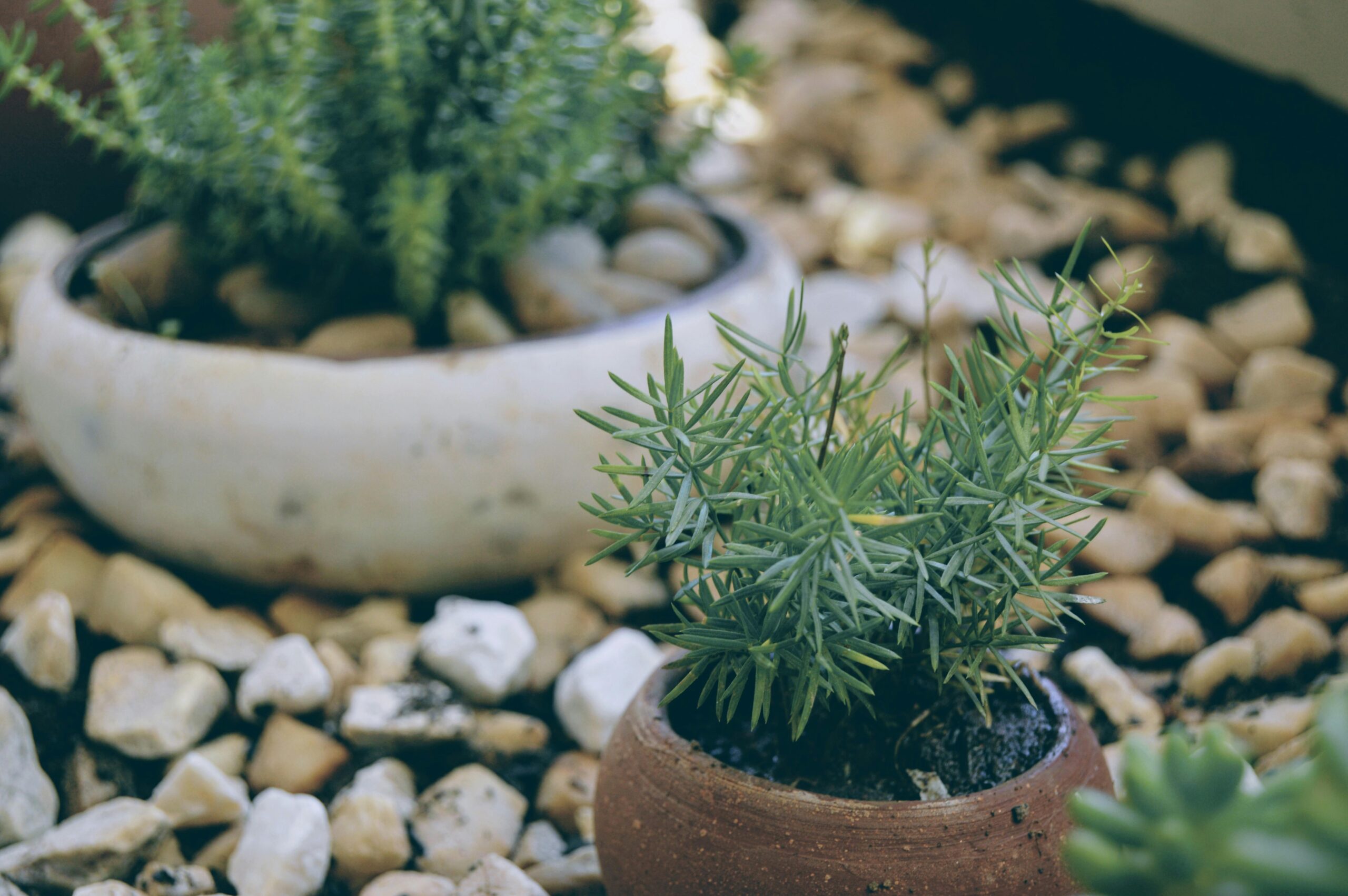
Whether you have a sprawling backyard or a modest front porch, a beautiful garden doesn’t have to mean endless hours of watering, pruning, and replanting. The plants in this guide are specifically chosen because they thrive with minimal fuss — perfect if you’re just getting started or simply want a garden that takes care of itself.
What Makes a Plant “Low Maintenance”?
Before diving in, here’s what to look for when choosing easy-care plants:
- Drought tolerance: survives if you miss a watering.
- Wide hardiness zones: adapts to a range of climates.
- Long bloom time: gives you more color for less effort.
- Pest and deer resistance: less intervention needed.
- Native or adaptable to various soils: no special soil prep required.
Easy Outdoor Plants for Beginners (Low Maintenance Picks)
Shrubs
1. Potentilla (Zones 2–7)
Potentilla is one of the most cold-hardy shrubs you can grow. It can live all the way down to Zone 2, so it’s great for gardeners in colder areas.
Once it has established, it can handle a lot of dry weather. Unlike most shrubs that only bloom for a short time, potentilla blooms for most of the summer. It does well in full sun to part sun and blooms on new growth, so you can cut it back in the autumn or early spring without worrying about losing your flowers.
It comes in yellow, orange, white, and pink, and it’s a great way to attract pollinators like butterflies, honeybees, and even hummingbirds. It’s also a native plant, which makes it a good choice for the environment in your yard.
Beginner Tip: You’ll often spot potentilla used in commercial landscaping around businesses because it handles neglect so well — that’s a great sign for beginner gardeners.
2. Diervilla / Bush Honeysuckle — Kodiak Series (Zones 4–8)
Diervilla is the shrub for you if you want one that can handle just about anything. The Kodiak series (Kodiak Red, Black, Orange, Fresh) is largely grown for its beautiful leaves, which have bright colours at the tips of fresh growth in colours of orange, red, and almost black.
It may grow in full sun or full shade, which makes it very adaptable. It also does well in clay, sandy, poorly drained, and rich soil. If you live in a remote region, it’s great that deer don’t usually bother you. It stays small, at 3 to 4 feet tall and broad, so it’s great for small places.
Pro tip: The more sun Diervilla gets, the more vibrant its foliage color will be.
3. Butterfly Bush — Pugster, Lo and Behold & Miss Series (Zones 4–9)
Butterfly bush is a classic for a reason: it’s easy to grow, doesn’t need much water once it’s established, smells great, and attracts butterflies to the garden like a magnet. You don’t have to worry about modern cultivars from the Proven Winners lineup spreading because they are sterile or make very few seeds.
There’s a huge size range available:
- Compact varieties (Pugster, Lo and Behold): 2–3 feet tall
- Mid-size varieties (Miss Ruby, Miss Molly, Miss Violet): ~4 feet tall with a dense, flower-packed habit
Blooming usually starts in the middle of summer and goes on until autumn. There’s even a new type called the Mop Top that blooms in late spring with beautiful silver leaves, far earlier than any other butterfly bushes in your yard.
4. Spirea (Zones 3–8)
One of the best foundation shrubs you can plant is spirea. It stays small (typically 2 to 3 feet), can handle cold weather up to Zone 3, and blooms on new growth, so you can cut it any time without losing flowers.
In the spring, varieties like Double Play Candy Corn come out with bright orange leaves tipped in burgundy. Then, they change to lovely pink blossoms. The leaves of Double Play Dolly are brilliant chartreuse, and the flowers are purple-pink.
Spirea is resistant to deer, can handle drought, and blooms for a long time. The leaves give a lot of colour and interest all season long, even when the flowers aren’t blooming. It’s a great choice for planting along the edge of your house or in borders.
5. Weigela — Very Fine Wine (Zones 4–8)
Very Fine Wine is a younger, smaller type of Weigela that only grows 2 to 3 feet tall and wide, making it great for planting along the base of a building. The deep, almost black leaves and bright pink tubular flowers make it stand out.
Hummingbirds and butterflies really like those tubular flowers. It is also resistant to deer, which makes it even more useful.
Perennials
Perennials are the backbone of a low-maintenance garden — plant them once and enjoy them year after year.
6. Allium / Ornamental Onion — Millennium, Serendipity (Zones 5–8)
Alliums are one of the most underrated perennials for beginner gardeners. They bloom midsummer, are completely deer and rabbit-resistant (thanks to their onion scent), and attract butterflies in huge numbers. The blooms range from deep purple to soft lavender-blue, depending on the variety.
Plant them in groups of 3 or 5 for the best effect. They work beautifully in borders, mass plantings, or even containers. They grow 15–24 inches tall and create a tidy, mounding habit that’s easy to manage.
7. Coneflower / Echinacea (Zones 3–9)
Coneflowers are one of the most beloved and recognizable perennials — and for good reason. They come in nearly every color imaginable: red, orange, yellow, green, purple, pink, and white. Both single and double flower forms are available. They’re native perennials, which means they’re naturally adapted to thrive with minimal care.
They’re drought-tolerant, deer resistant, and attract butterflies, bees, hummingbirds, and even goldfinches (who love the seed heads in winter). Heights range from 14 to 48 inches, depending on the variety, making them great for layered planting designs. They also make excellent cut flowers.
“If you’re a new gardener and you’re looking for something that’ll just grow without any intervention from you, try a purple coneflower.”
8. Daylilies / Hemerocallis (Zones 3–9)
Daylilies are one of the easiest perennials to grow. There are dozens of different kinds of them, and they come in a wide range of colours, flower shapes, and heights (18–36+ inches). Once they are established, they can survive without water and are not eaten by rabbits.
Look for reblooming types like Stella de Oro, Happy Returns, or Orange Smoothie (Proven Winners). These will keep flowering all summer instead than just once.
One thing to keep in mind is that deer adore daylilies. If deer are a problem in your yard, you might want to put them among other plants that they don’t like.
9. Yarrow / Achillea (Zones 4–9)
Yarrow is a very hardy perennial that does well in full light and can withstand dryness like a pro. It can grow to be 28 to 32 inches tall, can live in clay and sandy soils, and is a great plant for attracting bees, butterflies, and hummingbirds. If you give it a light trim after its first bloom, it will frequently bloom again later in the season.
10. Blue False Indigo / Baptisia (Zones 4–9)
Baptisia is the kind of plant that you can really forget about, and it will still look great year after year. This tough native perennial blooms in late spring with deep blue flower spikes on robust branches that don’t need staking.
Once it is established, it does well in dry, poor soil and keeps deer and pests away. Baptisia is a plant that blooms in the spring and summer and then grows attractive seed pods in the autumn and winter.
11. Amsonia / Threadleaf Blue Star (Zones 4–9)
Amsonia has exquisite pale blue star-shaped flowers at the start of the season, but its real enchantment happens in the autumn when its thin, fern-like leaves turn a bright golden yellow. It grows into a neat mound that is 2 to 3 feet tall and wide, needs almost no care, can handle drought once it is established, and keeps deer away.
It gives you spring blooms, summer texture, and fall color all in one plant with very little work.
12. Hostas (Zones 3–9)
Hostas are the best plants for growing in the shade. There are a lot of different colours of leaves (chartreuse, blue, green, white, and every shade in between), sizes (from 6-inch miniatures to 4-foot giants), and textures (from smooth and shiny to deeply ribbed).
They grow quite easily in part shade to full shade, blossom in the middle of summer with fragrant bell-shaped blooms that hummingbirds love, and don’t need much maintenance once they’re established.
Important: Hostas are not deer resistant — they’re actually considered a favorite snack. If deer are present in your area, plant them in a protected spot or skip them entirely.
Annuals
Annuals are the secret weapon of a colorful garden. While perennials and shrubs cycle through their bloom times, annuals deliver non-stop color from spring to frost.
13. Coleus (All Zones — grown as annual)
Coleus is one of the most misunderstood annuals — often dismissed as old-fashioned, but actually a remarkably versatile foliage plant. It provides vibrant color all season long without any flowers at all.
Varieties like Color Blaze Elbrido (orange, green, yellow), Golden Dreams (chartreuse with burgundy veining), and Newly Noir (near-black foliage) offer incredible variety.
It can be grown in sun or shade, and interestingly, more sun produces more vivid color. Heights range from 12 inches to over 3 feet. It does prefer consistent moisture, so it’s best suited for containers or garden beds that don’t dry out completely.
14. Geraniums (All Zones — grown as annual)
Geraniums are a tried-and-true annual for good reason. They’re forgiving if they miss a watering, don’t need heavy fertilizing to look good, and perform beautifully in both containers and in-ground plantings.
They bloom in a wide range of colors, reds, whites, oranges, pinks, purples, and deer generally leave them alone due to their slightly bitter scent. They do benefit from occasional deadheading to keep the flowers looking fresh, but it’s not strictly necessary.
15. Lantana (All Zones — grown as annual; perennial in Zones 8–11)
Lantana is a heat-loving, drought-tolerant annual that’s perfect for gardeners who aren’t always consistent with watering. It’s fragrant, deer-resistant, and wildly attractive to hummingbirds and butterflies.
wide varieties start with one color and gradually shift as the flowers age — creating a beautiful multicolored effect on a single plant.
It grows 14–28 inches tall with a mounding or trailing habit depending on the variety. Use it in garden beds or containers for reliable, vibrant color all summer long.
16. Salvia (Annual varieties; perennial in warmer zones)
Annual salvias are the plants that do the most labour in the summer garden. From early summer to frost, they grow tall, straight spikes of colour in pink, white, purple, red, and blue. Hummingbirds and butterflies can’t resist the tubular flowers.
They can handle different levels of wetness and are resistant to deer. You can get them in both loose (Rockin’ series) and tight, full-spike (Unplugged series) forms. Put them in containers to make them look exciting, or use them as bright colour anchors in your garden beds.
Ornamental Grasses
Ornamental grasses add movement, texture, and year-round structure to any garden — and they ask for almost nothing in return.
17. Elijah Blue Fescue (Zones 4–8)
Elijah Blue Fescue is a small, clump-forming grass that only grows 8 to 12 inches tall. It works well as an edge for borders or to lend a silver-blue touch to sunny areas. It can handle drought, wildlife, and almost anything else. It can even handle road salt and snow. It stays clean and pretty all year without needing to be cut or divided.
18. Karl Foerster Feather Reed Grass (Zones 5–9)
Karl Foerster is hard to beat when it comes to vertical drama with a little footprint. It gets 4 to 6 feet tall but just 2 feet broad, so it’s great for small settings or landscapes with a modern look. It blooms in late spring, which is considerably earlier than other grasses, and its upright plumes look great all the way through winter.
It can grow in many different types of soil and only needs to be pruned back once a year in early spring.
Beginner Plant Summary
| Plant | Type | Sun | Deer Resistant | Drought Tolerant | Hardiness |
|---|---|---|---|---|---|
| Potentilla | Shrub | Full–Part Sun | ✅ | ✅ | Zones 2–7 |
| Diervilla | Shrub | Full Sun–Full Shade | ✅ | ✅ | Zones 4–8 |
| Butterfly Bush | Shrub | Full Sun | ✅ | ✅ | Zones 4–9 |
| Spirea | Shrub | Full–Part Sun | ✅ | ✅ | Zones 3–8 |
| Allium | Perennial | Full–Part Shade | ✅ | ✅ | Zones 5–8 |
| Coneflower | Perennial | Full–Part Sun | ✅ | ✅ | Zones 3–9 |
| Daylily | Perennial | Full–Part Sun | ❌ | ✅ | Zones 3–9 |
| Yarrow | Perennial | Full Sun | ✅ | ✅ | Zones 4–9 |
| Baptisia | Perennial | Full–Part Sun | ✅ | ✅ | Zones 4–9 |
| Amsonia | Perennial | Full Sun–Part Shade | ✅ | ✅ | Zones 4–9 |
| Hostas | Perennial | Part–Full Shade | ❌ | ❌ | Zones 3–9 |
| Coleus | Annual | Sun–Shade | ✅ | ❌ | All Zones |
| Geraniums | Annual | Full Sun | ✅ | ✅ | All Zones |
| Lantana | Annual | Full Sun | ✅ | ✅ | All Zones |
| Salvia | Annual | Full–Part Sun | ✅ | ✅ | All Zones |
| Elijah Blue Fescue | Grass | Full Sun | ✅ | ✅ | Zones 4–8 |
| Karl Foerster Grass | Grass | Full–Part Sun | ✅ | ✅ | Zones 5–9 |
Final Tips for Beginner Gardeners
Start with natives. Native plants like coneflower, allium, and baptisia are adapted to local conditions and require far less intervention than exotic imports.
Layer your bloomers. Choose shrubs, perennials, and annuals that bloom at different times so your garden always has something happening. Annuals fill in the gaps when perennials are between bloom cycles.
Mulch generously. A 2–3 inch layer of mulch reduces watering needs, suppresses weeds, and helps regulate soil temperature — cutting your maintenance time significantly.
Plant in groups. Planting in threes or fives creates a more impactful display and makes plants easier to maintain than scattered individual specimens.
Know your zone. Before purchasing any plant, check the USDA Hardiness Zone for your area. You can look it up at planthardiness.ars.usda.gov.