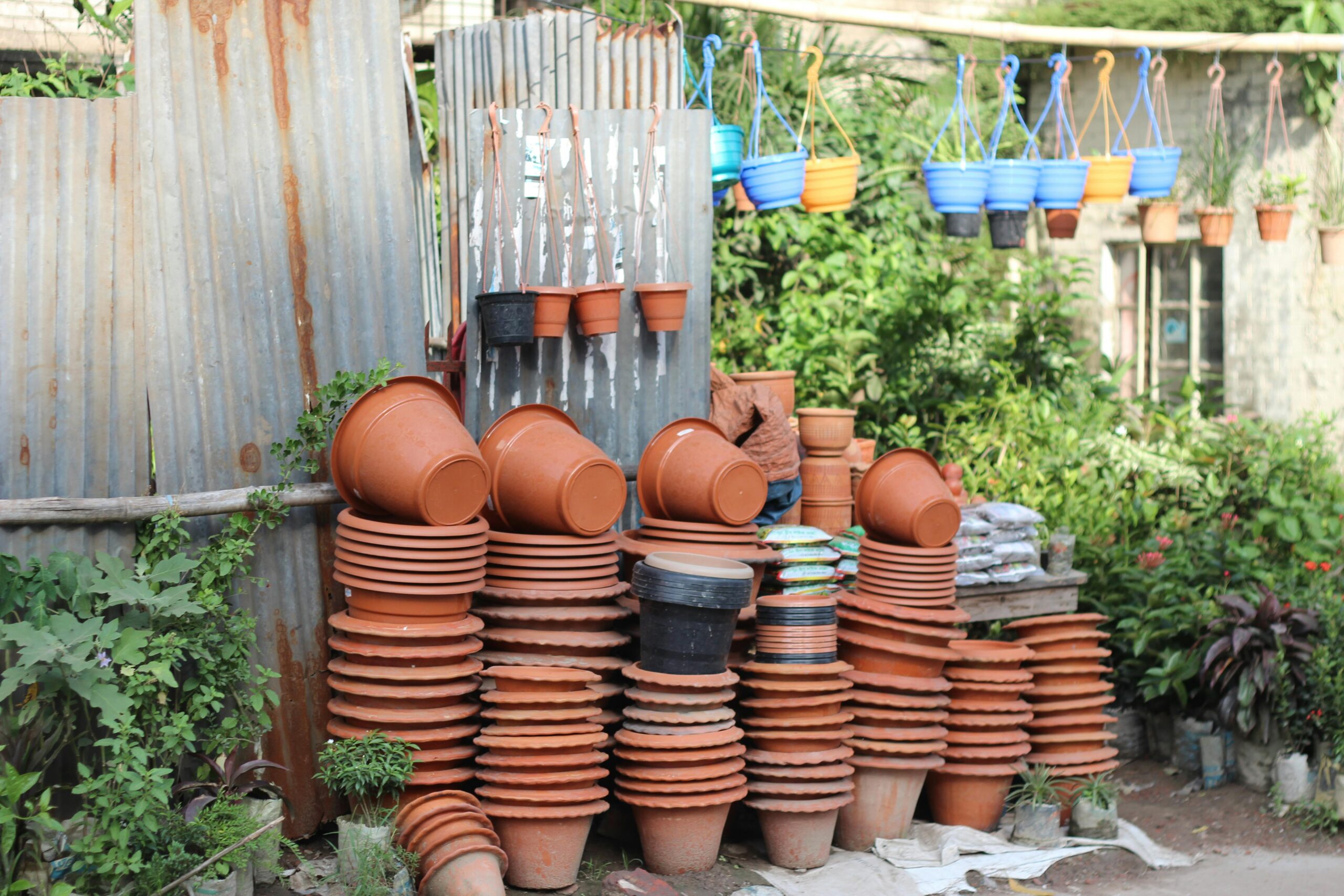
Terracotta pots add warmth, texture, and timeless character to any garden. But as the temperatures drop, those same beautiful clay pots can crack, flake, and crumble, sometimes beyond repair. With the right knowledge about materials, construction quality, and protective techniques, you can keep your terracotta looking perfect year after year.
Why Terracotta Breaks in Winter?
Most gardeners assume that cold temperatures are the enemy of terracotta. But the real culprit is something more subtle: the freeze-thaw cycle.
As Sean from The Gardener’s Center explains, “It’s not the cold that’s damaging your pot. It’s the fact that it doesn’t stay cold.” In climates like southern Connecticut or most temperate zones, winters alternate between freezing nights and rainy, mild spells. This cycle is devastating for porous materials.
Terracotta is naturally porous. It absorbs water readily. When that moisture-soaked clay freezes, the water expands inside the pot wall — and something has to give. The result is cracking, flaking, or outright shattering. Glazed terracotta is slightly better protected on the outside, but water can still enter through the unglazed Interior, leaving it just as vulnerable.
Understanding this is the first step to making smarter choices at the garden center.
Choosing the Right Pot: Material Matters Most
When it comes to winter survival, not every pot is the same. Here is a list of the most popular materials and how they do:
Standard Terracotta
Classic terracotta is the most vulnerable option. Its high porosity means it will absorb water during any warm winter rain — and then crack when temperatures plummet again. If you live in a zone with harsh winters (Zone 6 and below), standard terracotta should always be brought indoors for the season or very heavily protected.
High-Fired Terracotta
A step up from standard clay, high-fired terracotta is kiln-fired at significantly higher temperatures, making it denser and sturdier. However, it is still porous. As Sean notes, “it’s still going to absorb water if we let water get into it.” High-fired pots are a better investment, but they are not freeze-proof without extra precautions.
Glazed Terracotta
Glazed pots have a sealed exterior that prevents water absorption on the outside, which sounds like a major advantage. The catch is that the Interior remains unglazed and porous. Water entering through the drainage hole or the soil can still saturate the pot wall from the inside. Treat glazed terracotta with the same caution as the high-fired variety.
Faux Terracotta (Fiberglass, Composite, and Plastic)
If you love the look of terracotta but live in a brutal climate, faux terracotta is worth serious consideration. Fiberglass pots and composite “lichen fiber” pots (a cement-fiberglass hybrid) are frequently labeled as frost-proof or frost-resistant. They are lightweight, durable, and much easier to move. Plastic pots are arguably the most resilient of all and are inexpensive enough that losing one to the elements isn’t a major setback.
One important note: frost-proof is not the same as freeze-proof. Even high-quality composite pots can burst if water pools inside and freezes solid. Proper drainage is still non-negotiable.
Cast Stone and Concrete
Concrete and cast stone pots are surprisingly durable in winter. With their drainage kept clear and the pots emptied of soil, they can remain outdoors through most winters without issue. One gardener featured in The Gardener’s Center video noted having cast stone pots at home for 14 years that “look as good as the day” he bought them, with the key habit of emptying them each winter.
What to Look for When Buying?
Before you purchase any pot intended for outdoor use year-round, check for these indicators of quality and winter-readiness:
“Frost-proof” or “freeze-resistant” labeling. This is your first signal that the manufacturer has tested the material for cold-weather performance. Look for it on the tag or product description. Be aware of the distinction: frost-proof means it can handle occasional light freezes; freeze-proof means it can handle repeated, hard freezes with water present.
Wall thickness. Thicker walls provide more insulation and are less likely to crack under freeze-thaw pressure. Thin-walled pots — even beautiful ones — are poor candidates for outdoor overwintering in cold climates.
Drainage holes. This is non-negotiable. A pot without adequate drainage will collect standing water, which will freeze and expand until something breaks. Check that the drainage hole is large enough and not likely to be blocked by soil. As Sean warns, a soil “plug” can form over the drainage hole like a cork, trapping water inside with predictably bad results.
Firing quality (for real terracotta). Ask the retailer or check the product label. Pots fired at higher kiln temperatures are denser and more durable than standard clay pots.
Zone Awareness: Know Your Climate Before You Buy
Your hardiness zone is one of the most important factors in this decision. A gardener in Zone 7 (where winters are relatively mild) may have little trouble leaving large terracotta pots outdoors year-round with minimal protection.
A gardener in Zone 4 or 5 or anywhere with prolonged hard freezes, heavy snow, and dramatic temperature swings needs to plan much more carefully.
If you’re unsure of your zone, the USDA Plant Hardiness Zone Map is the standard reference in the United States. Canadian gardeners can consult the Natural Resources Canada Plant Hardiness site.
The harsher your winters, the more you should lean toward faux materials, indoor storage, or aggressive protective measures for any real clay pots you own.
Protecting the Pots You Already Have
If you have terracotta pots you love and aren’t ready to replace, there are several proven techniques for getting them through winter intact. Susie, a gardener from Collingwood, Ontario, a region known for brutal winters, successfully used all of the following on 30-year-old clay planters:
1. Raise Pots Off the Ground
Elevating pots on bricks, pot feet, or wooden risers serves two purposes: it prevents pots from freezing to the ground (which can cause cracking when you try to move them), and it keeps drainage holes clear. This simple step applies to virtually every pot material.
2. Apply a Waterproof Sealant to the Interior
Coating the inside of a terracotta pot with a waterproof sealant such as a clear polyurethane or purpose-made terracotta sealer dramatically reduces how much moisture the clay absorbs. Apply it to the interior walls and let it dry fully before planting. This is one of the most effective single steps you can take to protect a clay pot in a cold climate.
Tip: Search for “terracotta pot sealer” at your local garden center or hardware store. Products like Thompson’s WaterSeal or clear exterior polyurethane work well for this purpose.
3. Line the Interior with Bubble Wrap
Line the inside of the pot with bubble wrap before adding soil. If any moisture in the soil expands as it freezes, the bubble wrap acts as a cushion, absorbing that outward pressure before it reaches the pot wall. As Susie puts it, “it creates like a cushiony barrier.”
4. Wrap the Exterior
For pots in very cold zones, wrapping the outside of the pot adds insulation and further protection. Options include bubble wrap, burlap, or a chicken wire cage stuffed with straw or other insulating material. This technique is especially valuable for large, heavy pots that cannot easily be moved indoors.
5. Reduce Soil Volume
Using styrofoam blocks or an inverted plastic container at the bottom of large pots reduces the amount of soil (and therefore moisture) in the pot while also cutting down on weight. Less saturated soil means less freezing pressure. It also makes large pots easier to move if needed.
6. Cover Pots in Winter
At the end of the season, covering pots with a plastic bag, a pot cover, or even a garbage bag weighted down to prevent it from blowing away, prevents rain and snow from entering and saturating the soil during winter thaws. Susie used this technique, along with all the others, and her 30-year-old clay pots emerged from a harsh Ontario winter completely intact.
7. Store Smaller Pots Properly
Don’t stack or nest terracotta pots for winter storage. If they freeze together, separating them will likely crack or chip them. Instead, store smaller pots upside down and nestle them close together for mutual insulation, “like they’re nestled together under a blanket,” as one expert puts it. Add fallen leaves around and between them for extra warmth.
A Quick Decision Guide
| Your Situation | Best Choice |
|---|---|
| Cold zone (5 and below), pots stay outside | Fiberglass, composite, or frost-rated plastic |
| Cold zone, willing to store pots indoors | Standard or high-fired terracotta with sealant |
| Mild zone (7+), pots stay outside | High-fired or sealed terracotta with pot feet |
| Large investment pots in any cold zone | Wrap, seal, elevate, and cover every winter |
| Want zero maintenance | Concrete/cast stone (empty in winter) or quality faux pots |
The Bottom Line
Choosing frost-proof pots starts with knowing your climate and understanding that terracotta’s porosity, not cold temperatures themselves, is the real risk. High-fired and glazed terracotta is more durable than standard clay, but none of it is truly freeze-proof without proper care.
Fiberglass, composite, and plastic pots are the safest bet for cold climates where pots must stay outside year-round.