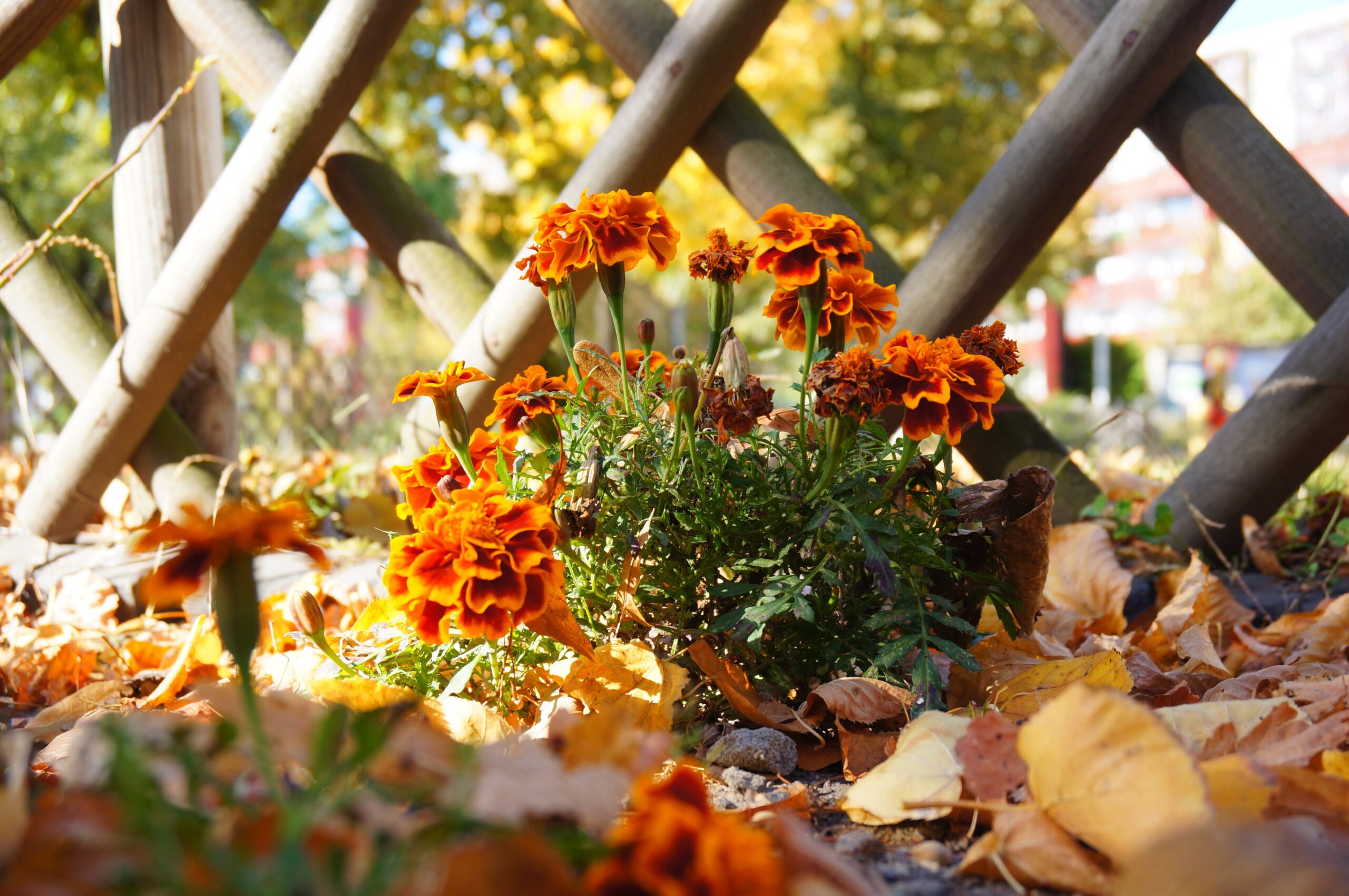
As summer fades and the days grow shorter, many gardeners mistakenly assume there’s nothing left to do but tidy up and wait for spring. But autumn is actually one of the most rewarding seasons for planting. With the right choices, your garden can stay vibrant and colourful well into winter.
Whether you’re filling beds, containers, or hanging baskets, there’s a whole palette of autumn bedding plants waiting to take centre stage.
Why Autumn Bedding Is Worth Your Time?
The transition from summer to autumn doesn’t have to mean a dull, empty garden. Autumn bedding plants serve multiple purposes beyond looks. They attract late-season pollinators, bees, and butterflies still foraging before winter, contributing meaningfully to your local ecosystem.
Wide varieties are also surprisingly low-maintenance, bred for hardiness and capable of shrugging off frosts that would finish off summer annuals.
Timing matters. The earlier you get these plants in the ground, the better established they’ll be before cold weather sets in. Late summer to early autumn is the sweet spot when plants still benefit from residual warmth in the soil, which encourages strong root development.
That said, if you’re planting in October, all is not lost; hardier varieties like pansies, violas, and cyclamen can still establish successfully in milder conditions.
The Best Autumn Bedding Plants
1. Pansies
Few plants deliver as much seasonal cheer as the pansy. Available in a sweeping range of colours from velvety deep purples and rich burgundies to sunny yellows and crisp whites, modern pansy cultivars have been bred explicitly for autumn and winter hardiness. Their cheerful “faces” bring life to even the gloomiest November day.
Smaller-flowered varieties tend to hold up better in rough weather, making them ideal for exposed beds and containers. Deadheading regularly will encourage continuous blooming and keep plants looking tidy throughout the season.
Care tip: Remove spent flowers as they fade to redirect the plant’s energy into producing fresh blooms.
2. Violas
Think of violas as the tougher, more delicate-looking cousin of the pansy. They produce smaller flowers but are exceptionally hardy, capable of flowering even through light frosts. This makes them one of the most reliable choices for late autumn colour, particularly for softening the edges of containers or filling gaps in borders.
Like pansies, violas benefit from regular deadheading. During dry autumn spells, keep on top of watering, as drought stress can shorten their flowering window.
Care tip: Water during dry spells and deadhead consistently to extend the season well into winter.
3. Cyclamen (Hardy Varieties)
Hardy cyclamen are among the most elegant plants you can grow in autumn. Their swept-back petals in shades of deep magenta, soft pink, and pure white hover above intricate marbled foliage in silver and emerald green. Cyclamen coum is a particularly reliable variety for late autumn and winter colour.
It’s important to distinguish between hardy outdoor cyclamen and the tender florist varieties sold as houseplants; the latter won’t survive an outdoor winter. Hardy types, however, will naturalise over time and return year after year.
Cyclamen don’t appreciate wet feet. Plant them in free-draining soil and water sparingly; consistent moisture around the tuber causes rot.
Care tip: Free-draining soil is essential. Avoid overwatering; cyclamen are far more drought-tolerant than they look.
4. Chrysanthemums
Chrysanthemums are the powerhouses of autumn bedding. Available in a huge range of sizes and colours from bronze and amber to deep red and soft yellow, they fill the seasonal gap left by summer bloomers with impressive vigour. Garden centres typically stock them through September and October, and they can be planted up in containers for an instant display.
Hardy chrysanthemum varieties (as distinct from the tender florist types) can remain in the ground over winter and come back the following year, making them excellent value. They’ve been known to flower continuously for two months or more from late summer into autumn.
Care tip: Individual blooms last a long time; deadhead only when stems look truly messy to keep plants looking their best.
5. Ornamental Cabbage and Kale
Ornamental cabbages and kales have something that no flowering plant does: beautiful leaves that get better as the weather gets cooler. Their colors get more intense in the fall. Bright purples, creamy whites, and bright pinks stand out against ruffled or frilly leaves that look great in the low autumn light.
They combine particularly well with fine-textured plants like ornamental grasses, and look striking in large containers. As long-lasting displays go, few plants can match them for sheer staying power right through to winter.
Care tip: Cold weather is your friend here, frost actually intensifies the leaf colours, so don’t be afraid of a sharp night.
6. Wallflowers
Wallflowers won’t produce colour immediately after planting; they’re a longer-term investment. But plant them in autumn, and they’ll reward you come spring with intensely fragrant, richly coloured blooms in fiery reds, warm yellows, and deep purples. Few plants bring as much sensory pleasure to an early spring garden.
Water them in well at planting time and firm the soil around their roots to guard against wind rock over winter. Once established, wallflowers are tough and largely self-sufficient.
Care tip: Firm the soil around newly planted wallflowers to prevent roots from loosening in winter winds.
7. Bellis (English Daisy)
Cheerful and compact, Bellis daisies are a classic choice for autumn and early spring bedding. Their button-like pompom flowers in shades of red, pink, and white sit on neat rosettes of foliage ideal for containers, window boxes, hanging baskets, or border edging. They’re exceptionally long-flowering and combine well with other autumn bedding plants like violas and pansies.
8. Hardy Geranium (Cranesbill)
For those looking to bridge the gap between summer and autumn rather than start fresh, later-flowering hardy geraniums are worth considering.
Varieties like Geranium ‘Ann Folkard’ have a wandering, relaxed habit, with long arms that meander through neighbouring plants, producing flashes of vivid magenta with a dark eye in unexpected places. They’re long-lived perennials that come back reliably each year with minimal fuss.
9. Heuchera
Heucheras bring something different to autumn bedding: striking foliage rather than flowers. Varieties like Heuchera ‘Sugar Plum’ offer bright, metallic-toned leaves in deep plum and rose that provide long-lasting colour and contrast, especially effective alongside ornamental grasses or silver-leaved plants.
As a hardy perennial, heuchera can be used as bedding and then relocated to a permanent spot in the garden afterwards.
10. Hardy Plumbago (Ceratostigma)
A less well-known but genuinely impressive autumn performer, Ceratostigma plumbaginoides produces clear sky-blue flowers through September and October, a colour that’s genuinely rare in the autumn garden. Pollinators are drawn to it in the final weeks of the season.
As the flowers fade, the leaves develop attractive wine-red tints, ensuring the plant continues to earn its place through the colder months.
Care tip: Plant in a sunny, well-drained spot for the best flowering and autumn leaf colour.
Choosing Between Annuals, Biennials, and Perennials
One thing worth understanding before you plant is how long each variety will last. Many traditional bedding plants, pansies, Bellis, and ornamental cabbages are annuals or biennials.
They’ll perform brilliantly through autumn and into spring, but once they begin to fade, they’re best removed and replaced. Perennials like heucheras, hardy geraniums, and Ceratostigma, on the other hand, can be planted as bedding and then kept in the garden indefinitely, growing and improving year on year.
Protecting Autumn Bedding from Frost
Most autumn bedding plants are selected precisely because they can handle the cold, but sudden, hard frosts can damage newly planted specimens that haven’t yet established.
If a sharp frost is forecast early in the season, a layer of horticultural fleece or a garden cloche placed over vulnerable plants overnight will usually be enough protection. Once established, most of these varieties will look after themselves.
Container Planting for Autumn Colour
Containers are one of the best ways to make the most of autumn bedding plants. A well-planned pot or window box planted with cyclamen, ornamental kale, and a few trailing violas can look spectacular from October right through to March. Use a good quality, peat-free compost and ensure containers have adequate drainage holes.
Waterlogging is the primary killer of autumn container plants. Most quality composts contain enough nutrients for the first few months of growth, but a liquid feed every few weeks will extend and enrich flowering beyond that.
Frequently Asked Questions
Can I leave autumn bedding plants in for next year?
It depends on the variety. Annuals and biennials like pansies and wallflowers are best removed once they start to decline in late spring. Hardy perennials, heucheras, Ceratostigma, and hardy geraniums can be left in place permanently and will continue to grow year after year.
Is it too late to plant autumn bedding in October?
October planting is possible, especially in milder regions. Pansies, violas, and hardy cyclamen are your best bets at this stage. They establish quickly and are tolerant of cool conditions. They may take a little longer to settle in, but success is still achievable.
What autumn bedding plants are best for pollinators?
Ceratostigma (hardy plumbago) and Calamintha are excellent pollinator plants for autumn. Violas and single-flowered cyclamen also attract late-season bees. Choosing open-faced flowers rather than fully double varieties generally makes nectar more accessible.
Can I grow autumn bedding in shade?
Some types do better in partial shade than others. In less sunny areas, cyclamen, heucheras, and violas will all do rather well. Most pansies and chrysanthemums bloom best when they get some sun.
What’s the best way to deadhead autumn bedding plants?
Pinch or snip off spent flowers just below the flower head, above the nearest set of healthy leaves. Doing this regularly every week or two redirects the plant’s energy from seed production back into flowering, significantly extending the display.