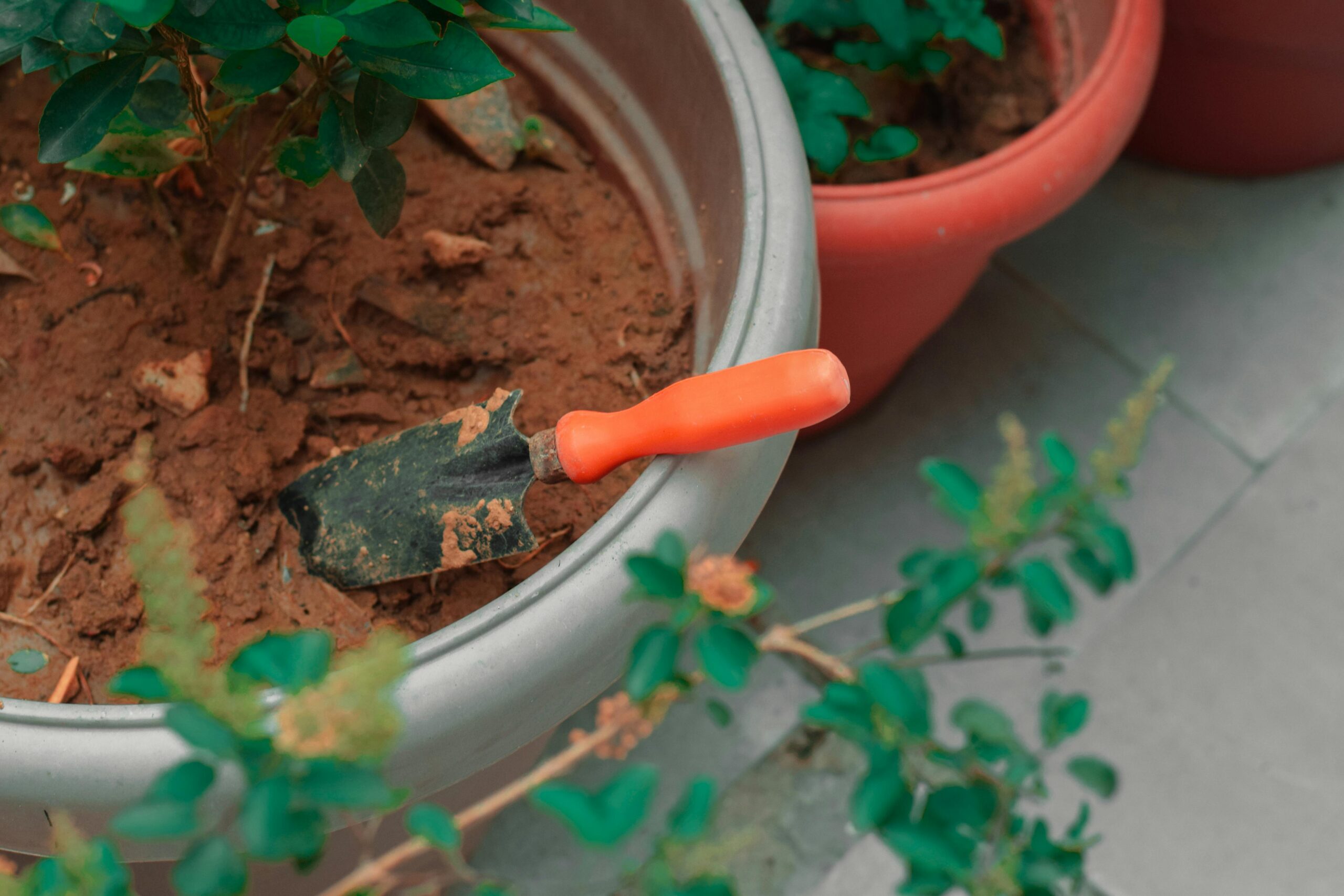
If you’ve ever watched a container garden struggle with yellowing leaves, stunted growth, or waterlogged roots, the problem likely wasn’t your watering schedule or your fertilizer. It was what you put in the pot before anything else.
Most beginner gardeners make the same mistake: they reach for whatever is cheapest, heaviest, or happens to be on sale. Some even scoop soil straight from the backyard. The result? Compacted, poorly draining, nutrient-starved containers that give plants almost no chance to thrive.
Why Container Soil Is Completely Different From Garden Soil?
Before anything else, understand this: the soil in your garden is not designed for pots.
When you plant in the ground, roots spread outward and downward through a vast network of earth. In a container, they’re confined. That changes everything about how soil needs to behave.
A quality container mix must accomplish three core functions simultaneously:
- Retain moisture and nutrients close to the roots, acting as a reservoir that keeps plants fed and hydrated between waterings.
- Provide adequate air roots that need oxygen to survive, and a mix that stays soggy suffocates them from below.
- Support and anchor the plant while remaining loose enough that water and air can move through it consistently
Regular topsoil or garden soil fails on multiple fronts. It’s coarse and heavy, often containing clay and stones that compact inside a container, blocking drainage and essentially drowning your roots. It can also carry weed seeds, fungi, and other pathogens you don’t want anywhere near your plants.
The University of California Master Gardener Program recommends explicitly against using garden soil in containers for these reasons, even high-quality garden soil lacks the aeration that confined roots require.
Similarly, manure-heavy products are excellent in open garden beds where they get diluted by the surrounding soil. Still, in a pot, that concentration of nitrogen can actually burn roots rather than feed them. Most manure-based amendments also contain significant sand, making them too dense for container use.
What to Look for in a Bagged Potting Mix?
Walk into any garden center, and you’ll find dozens of options. Learning to read the ingredient label is the single most valuable skill you can develop as a container gardener. Here’s what the key ingredients actually do:
Peat Moss
Harvested from northern bogs in the US and Canada, peat moss is the most common base ingredient in bagged mixes. It excels at retaining moisture while still maintaining enough air space for roots to breathe.
The downside is that it’s slightly acidic (pH 3–4.5), which makes it less ideal for plants that prefer neutral or alkaline soil. Another quirk: if peat moss dries out completely, it can become almost hydrophobic, repelling water rather than absorbing it, and making it very difficult to re-wet the mix without soaking it thoroughly first.
Coco Coir
Coco coir, which is made from coconut husks, is becoming more and more famous as an alternative to peat moss. Its pH level is between 5.5 and 6.8, which makes it much more neutral and good for a wider range of flowers and veggies.
Coco coir stays loose and fluffy even when it’s dry, unlike peat moss. This makes it easier for roots to grow through and easier to re-wet after it’s been dry. It also keeps water in well while draining well, which is harder to do than it sounds.
Perlite
Those little white specks you see in most commercial mixes are perlite, a naturally occurring volcanic material that has been heated and expanded. Perlite doesn’t hold water at all, but it creates small air pockets throughout the mix that prevent compaction and give roots access to oxygen. Without it, even a well-made mix can turn dense and soggy over time.
Vermiculite
Vermiculite is also volcanic in origin but behaves differently from perlite. It’s softer, lighter, and actually does retain moisture and nutrients, holding them available around the root zone for longer. Many experienced growers use both perlite and vermiculite together, perlite for drainage and aeration, vermiculite for moisture and nutrient retention.
Compost
Good compost is a powerhouse ingredient. It improves soil structure, adds macro and micronutrients, supports beneficial bacteria and fungi, and improves water retention.
Worm castings (worm manure) are one of the most nutrient-dense composts available and are an excellent addition to any container mix in small quantities.
Mushroom compost is another widely available option. Just note that it may not be fully finished composting when you buy it, so letting it cure for several months before use is ideal.
Dolomite Lime / Ground Limestone
Crushed dolomite is added to some mixes to raise soil pH, provide calcium and magnesium, and improve the plant’s ability to absorb nutrients. It’s a useful component, especially for mixes that lean acidic due to heavy peat moss content.
Wetting Agents
Some bagged soils include a wetting agent, a compound that helps water distribute evenly through the mix and penetrate to the roots rather than running off the surface. It’s a small addition that makes a real difference, particularly in mixes that contain a lot of organic material.
Breaking Down Common Brands: What’s Really Inside?
Not all commercial potting mixes are created equal, and reading the label reveals more than most people realize.
Budget mixes often contain little more than uncomposted wood fines and perlite. The problem isn’t the ingredients themselves; it’s that raw, uncomposted wood material takes a long time to break down into something plants can actually use. You’re essentially paying for filler. These mixes also tend to compact more quickly in containers.
Mid-range mixes typically add pine bark, peat moss, and a wetting agent, which gives them better moisture management and structure. Some include dolomite lime for pH balancing.
Premium mixes stand apart through the diversity and quality of their ingredients. The best commercially available options include a combination of forest products, composted organic matter, dolomite, kelp meal (dried seaweed packed with micro and macronutrients), bat guano, worm castings, poultry manure, perlite, sand, and limestone. Each of those additions is doing real work improving nutrition, supporting soil biology, or preventing compaction.
Independent field trials comparing 14 leading brands growing identical pepper plants in 5-gallon bags found meaningful differences in plant height, leaf health, branching, flowering, and yield. The mixes with the most diverse, high-quality ingredient lists consistently outperformed the cheaper options. Soil is not a category where all products perform the same.
One important note: weight is not quality. A heavy bag of potting mix usually means it’s either waterlogged or packed with cheap sand. Neither is a good sign. Quality potting mix should feel relatively light and fluffy, not dense and soggy.
Build Your Own High-Performance Mix
Making your own potting mix takes a little more effort up front, but gives you full control over what goes into your containers, and it’s often cheaper in the long run, especially if you buy compost in bulk.
Here’s a proven base ratio that delivers excellent structure, drainage, and moisture retention:
- 3 parts coco coir (or peat moss as an alternative).
- 2 parts compost (mushroom compost, worm castings, or homemade).
- ½ part perlite.
- ½ part vermiculite.
This 3-2-1 formula (where the two halves combine to equal one part) creates a mix that’s light, well-aerated, moisture-retentive, and rich in organic matter. It’s suitable for containers, raised beds, and hanging baskets.
Mixing tip: Do your mixing on a large tarp. Dump ingredients in layers, then pull the corners of the tarp toward the center to tumble everything together. A few passes with a rake or your hands, finish the job quickly.
Once the base is mixed, add a slow-release, all-purpose organic fertilizer by spreading it over the top few inches and gently working it in. This puts the nutrition where the roots will be in the upper portion of the container, so it moves down into the root zone with each watering.
For specific crops, you can make targeted adjustments:
- Tomatoes and peppers prefer slightly acidic soil (pH 6.2–6.8). Swap one part of coconut coir for peat moss to nudge the pH lower.
- Cucumbers, cabbage, and herbs grow better in near-neutral soil. Stick with coco coir as your base and add a small amount of lime if needed.
- Leafy greens like lettuce are heavy nitrogen feeders. Blood meal mixed into the top layer provides a powerful nitrogen boost to accelerate growth.
- Succulents and cacti need fast drainage above all else. Add extra perlite or coarse sand to the base mix, and consider using clay pots to help wick away excess moisture.
Why Soil Structure Matters More Than People Think?
Container gardeners focus a lot on fertilizer and watering schedules, and those things matter, but none of it works properly if the soil structure has broken down.
Compacted soil creates a barrier that roots can’t push through. Water runs off the surface or pools at the bottom rather than distributing evenly. Fertilizer sits on top instead of reaching the root zone. Even if you’re doing everything else right, the plant effectively hits a ceiling.
This is why so many of the ingredients in high-quality mixes exist purely to prevent compaction: perlite, vermiculite, rice hulls, coarse sand, pine bark. They’re not delivering nutrients directly; they’re keeping the soil open so nutrients, water, and oxygen can do their jobs.
Over time, even good potting soil degrades. The organic matter breaks down, air pockets collapse, and the mix becomes denser. Plan to refresh container soil every one to two years. Remove old roots and debris, add at least 25% new potting mix, replenish with fresh fertilizer and a little dolomite lime, and check the pH if plants have been struggling.
The Soil Bank Principle
A useful way to think about container soil is as a bank account. Every time a plant grows, it makes a withdrawal, pulling nitrogen, phosphorus, potassium, and micronutrients out of the mix. If you only make withdrawals and never deposit, the account runs dry.
Deposits come in the form of compost, aged manure, worm castings, kelp meal, and fresh organic matter. Adding perlite or vermiculite periodically restores structure as the original materials compact and break down. The gardeners who get consistently great harvests year after year are the ones who treat soil as something living and ongoing, not a one-time purchase.
If you’re already composting kitchen scraps, spent plant material, and cardboard, you’re creating the raw ingredients for your own potting mix. Combined with some purchased perlite and a wetting agent, well-finished homemade compost performs comparably to most commercial mixes and puts nothing in your containers that you didn’t put there intentionally.
Soil Depth: Matching the Container to the Crop
Even the best potting mix can’t compensate for a container that’s too shallow. Roots need room to spread, both for stability and to access enough nutrients and water.
As a general guide:
- Small plants and herbs: 6–8 inches of depth.
- Medium crops like peppers, bush beans, and most flowers: 10–12 inches.
- Large vegetables like tomatoes, cucumbers, and squash: 18 inches or more.
Choose containers accordingly. A tomato planted in a shallow window box will always underperform, regardless of how good the soil is.
The Bottom Line
The difference between a thriving container garden and a disappointing one often comes down to what’s in the pot before the plant goes in. Skip the garden soil, skip the heavy topsoil, and don’t assume that the most popular brand is the best one.
Read the labels. Look for diversity of ingredients, composted organic matter, perlite, vermiculite, and ideally some biological additions like kelp meal or worm castings. Or build your own mix using the 3-2-1 coco coir formula and adjust for what you’re growing.