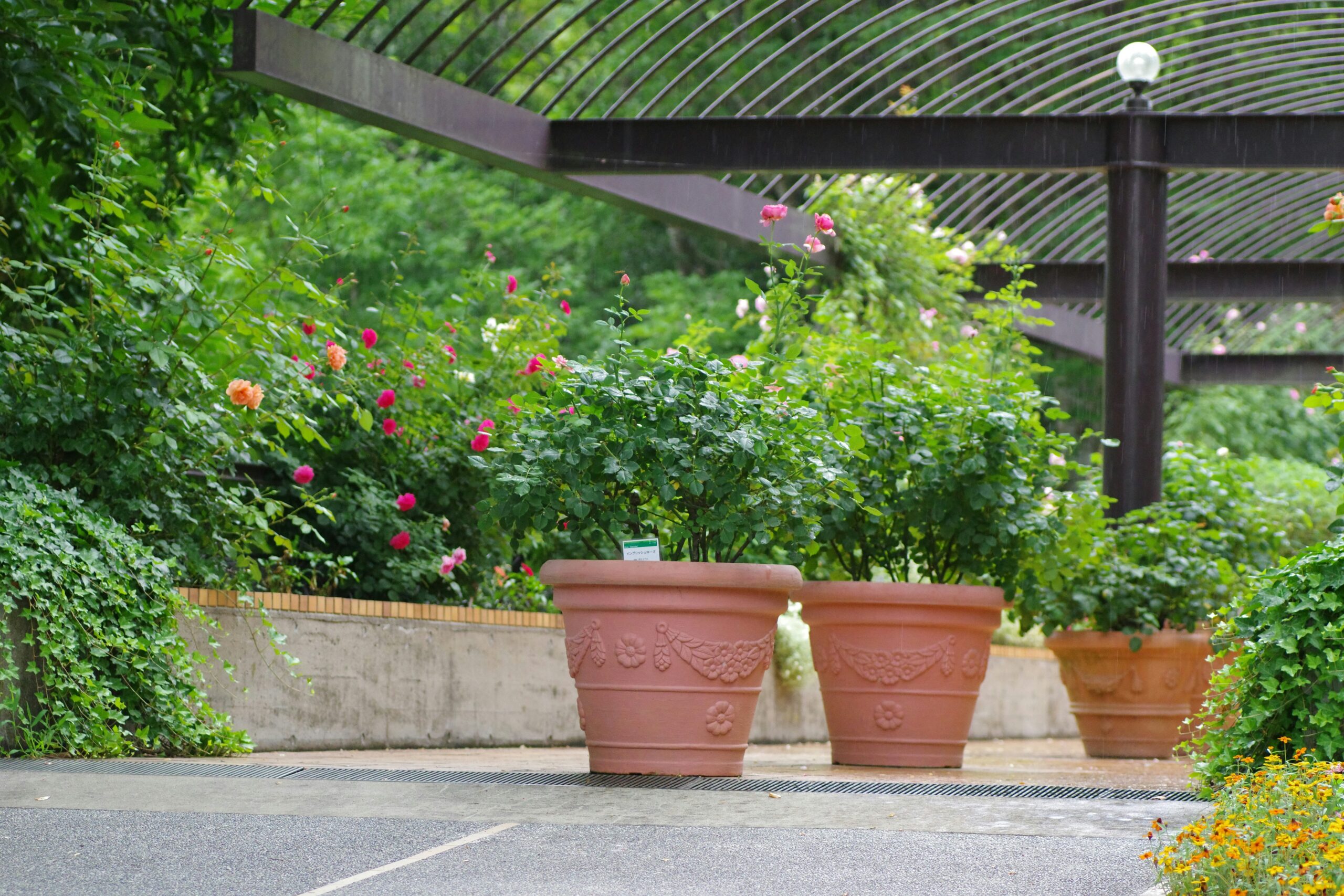
Whether you have a sprawling backyard, a compact urban terrace, or a narrow balcony, tall outdoor planters are one of the most effective tools for transforming an ordinary patio into a stylish, intentional outdoor living space.
They bring structure, drama, and life to areas that might otherwise feel flat or uninspired, and the best part is, they work in nearly every setting and style.
Why Tall Planters Work So Well on Patios?
The secret behind the popularity of tall planters isn’t just aesthetics; it’s function. Their vertical form draws the eye upward, which helps compact spaces feel more open and expansive. Positioned along a walkway or flanking a doorway, they naturally frame the architecture and create visual weight without cluttering the ground.
Beyond looks, tall planters offer genuine horticultural advantages. Their depth accommodates plants with robust root systems, trees, large shrubs, bamboo, and ornamental grasses that can’t thrive in shallow containers.
The increased height also improves drainage and airflow around the soil, leading to healthier plants overall. And because they sit elevated off the ground, they reduce bending and physical strain during maintenance.
For renters or anyone who can’t permanently alter their outdoor space, tall planters are an especially smart investment. You can take them with you when you move, rearrange them seasonally, or shift them into shade or sun depending on what your plants need at any given time.
Choosing the Right Planter for Your Space
Before selecting plants, it’s worth thinking carefully about the planter itself, its material, size, and finish allof which shape the overall mood of your patio.
Resin planters are the most practical choice for most outdoor settings: lightweight, durable, weather-resistant, and available in finishes that convincingly mimic stone, concrete, or metal. They’re easy to move and won’t crack in freezing temperatures the way ceramic can.
Ceramic and glazed planters bring elegance and a pop of color, but their weight makes them best suited to stable, permanent spots. A bright green glazed container, for instance, can make surrounding foliage feel more vibrant simply through contrast.
Metal planters, from sleek modern cylinders to weathered galvanized washtubs, offer a strong, industrial look. Bear in mind that metal heats up considerably in direct sun, which can stress plant roots in summer. If you love the aesthetic, pair metal containers with drought-tolerant or heat-resilient plants.
Repurposed vessels like wooden wine crates, apple barrels, wicker baskets, and toolboxes add rustic charm and personality that no off-the-shelf planter can replicate. A wicker basket lined with waterproof foil or a simple garbage bag becomes a beautiful, low-cost container; a galvanized metal washtub found at a flea market can anchor an entire corner of a patio with character.
For sizing, a general rule of thumb: containers under 18 inches work well for tabletops or layered groupings; 18–24 inch planters are versatile enough for single specimens or combinations; and anything 24 inches and above makes the most impact near entryways or as standalone statement pieces.
What to Plant: Making the Most of Vertical Space?
Tall planters are ideally suited to a classic design method known as the thriller–filler–spiller approach, and it’s the most reliable way to achieve that full, layered look you see in beautifully styled outdoor spaces.
- The thriller is the star: tall, dramatic, eye-catching. Think Bird of Paradise with its bold architectural leaves, purple fountain grass with its arcing burgundy plumes, canna lilies in fiery red or yellow, or a slender Alberta spruce that can double as a living holiday decoration in winter.
- The filler adds body and texture around the thriller: impatiens, coral bells, geraniums, begonias, coleus, or low lavender and catmint that can also soften the bare stems of taller plants like roses.
- The spiller cascades over the edges to complete the arrangement: sweet potato vine, creeping jenny, trailing calibrachoa, English ivy, or vinca all work beautifully, softening the hard lines of the container and giving the planting a sense of movement and abundance.
For those who prefer simplicity, a single statement plant in a well-chosen container can be just as striking. Bamboo in a tall, dark planter creates instant privacy and a distinctly modern feel.
A Bird of Paradise in a wide-mouthed ceramic urn brings tropical drama to any sunny corner. Palm trees conjure a resort atmosphere on a deck or patio with remarkably little effort.
Herbs deserve a mention too; fragrant rosemary, lemongrass, and basil arranged around flowering plumbago make for a container that looks gorgeous and proves genuinely useful in the kitchen. Mounting herbs on rustic outdoor shelves is one of the cleverest ways to maximize vertical space on a small patio.
Filling the Bottom of Tall Planters
One of the most common mistakes with tall containers is filling them with potting soil. A plant’s roots won’t occupy the full depth of a very tall planter, so all that soil adds unnecessary weight and can cause waterlogging at the base.
The better approach is to layer lightweight filler plastic bottles, foam blocks, or packing peanuts contained in a mesh bag in the lower portion of the planter. Cover this with a layer of landscape fabric to prevent soil migration, then add quality potting mix only in the upper zone where the roots will actually grow.
Make sure drainage holes are clear, or consider a self-watering planter system that prevents overwatering, which remains the single most common cause of container plant death.
Styling Tall Planters on Your Patio
How you arrange planters matters as much as what’s in them. A few principles that consistently produce good results:
Group containers of varying heights. A single pot can feel isolated; three or five pots arranged together at different heights create visual rhythm and a sense of abundance. Mix tall statement planters with mid-height fillers and low, sprawling containers at ground level.
Use planters to define zones. A pair of tall planters flanking a seating area signals an entrance, much like columns in architecture. A row of containers along one edge can carve out a dining space from a larger patio, or screen an unsightly wall or fence. Climbing plants trained up trellises behind containers, as in many London courtyard gardens, add further height and soften hard surfaces.
Match container tones to your outdoor palette. Neutral containers, stone grey, slate, wand eathered terracotta let plant colors take center stage. If your patio furniture is warm-toned, warm metallic planters in copper or bronze create continuity. For a modern, minimal patio, tall cylindrical planters in matte black or concrete grey are endlessly versatile.
Embrace non-traditional containers. Some of the most memorable outdoor spaces use unconventional vessels: apple crates overflowing with wildflowers, pewter milk pails clustered near a doorway, wicker baskets of cascading ferns on a shaded wall. The constraint of needing a “proper” planter is entirely self-imposed.
Mirrors and reflective surfaces amplify impact. In enclosed courtyard spaces, placing a mirror on a wall behind a cluster of containers makes the planting feel twice as lush and the space noticeably larger, a trick used to excellent effect in many compact city gardens.
Tall Planters Through the Seasons
One of the great advantages of container gardening is the freedom to update your planting as seasons change. In spring, daffodils and tulips massed in terracotta pots bring color to an otherwise bare patio.
Summer calls for heat-tolerant specimens: lantanas, SunPatiens, geraniums, calibrachoa, and elephant’s ears that thrive in full sun. As the temperature drops in autumn, ornamental cabbages, violas, pansies, and dwarf conifers keep things looking alive and structured.
In winter, an Alberta spruce or boxwood in a tall planter anchors the space with evergreen presence and offers the perfect canvas for seasonal lighting.
Summary
Tall outdoor planters are one of the most versatile and rewarding investments you can make in your outdoor space. Whether you’re creating a lush courtyard, a tidy modern terrace, or a maximalist plant-lover’s balcony, the right planters thoughtfully chosen and generously planted have the power to make any patio feel like a destination.
Frequently Asked Questions
Do tall planters need drainage holes?
Yes. Drainage is essential to prevent root rot. If your chosen container doesn’t have holes, drill them yourself, or use a liner pot with drainage inside the decorative outer vessel.
How often should I water plants in tall planters?
This depends on the plant, the container material, and your climate, but containers generally dry out faster than in-ground planting. Check the top inch of soil; if it feels dry, water thoroughly. Self-watering planters reduce the guesswork significantly.
Can tall planters stay outside in winter?
Resin and metal containers handle most climates well. Glazed ceramic and terracotta are more vulnerable to cracking in freeze-thaw conditions. If in doubt, move sensitive containers to a sheltered spot or garage during hard frosts.
What’s the best potting mix for tall outdoor planters?
A high-quality, well-draining potting mix, not garden soil, which compacts in containers, is the foundation. Adding perlite improves drainage further. For drought-tolerant or succulent plantings, a cactus-specific mix works well.
How do I keep tall planters from tipping over in the wind?
Weight the base with your lightweight filler layer, and position tall planters against walls or in corners where they’re naturally sheltered. For very exposed spots, anchoring options or heavier containers (stone, concrete) provide added stability.