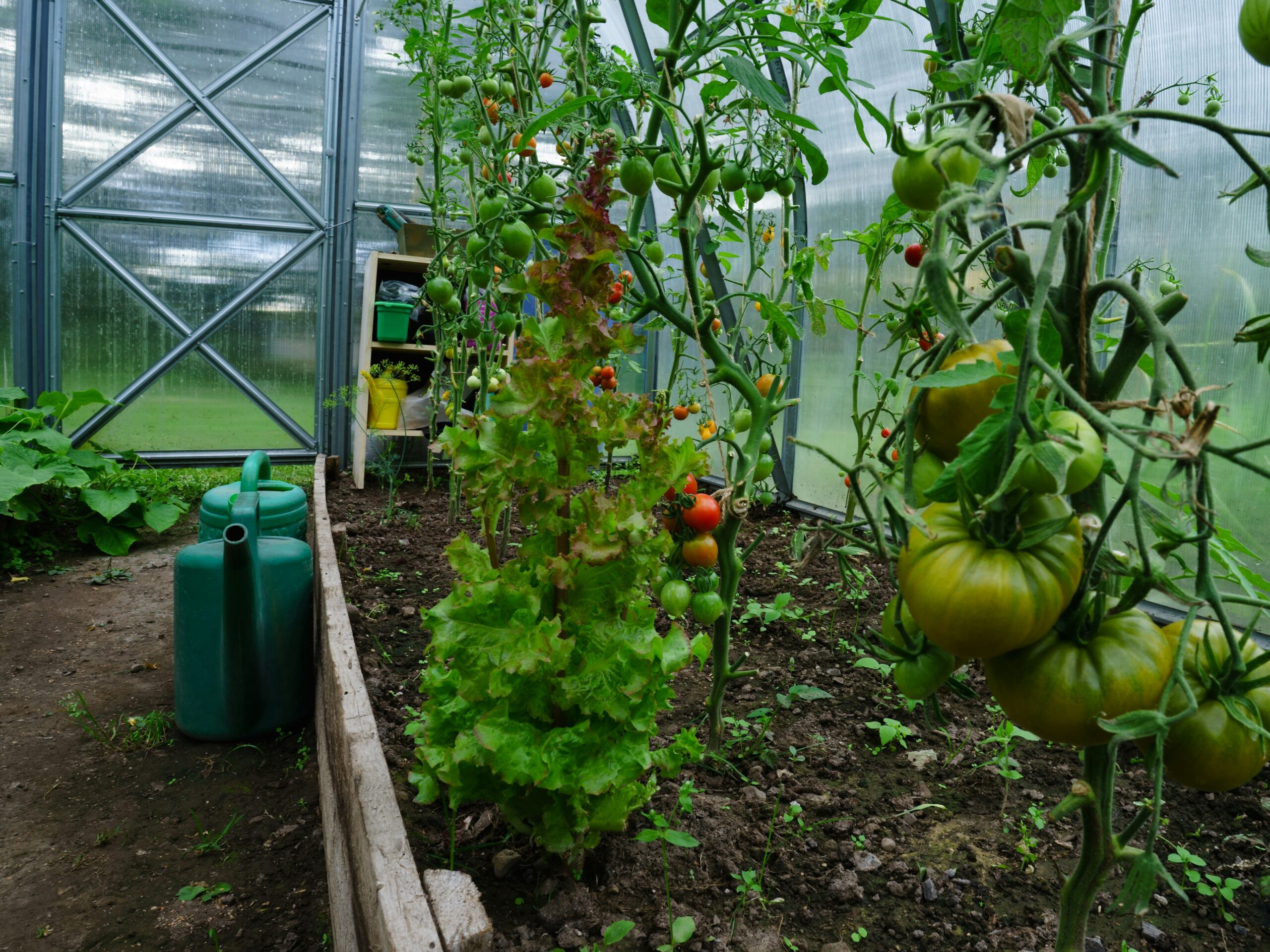
Tomatoes are the most popular vegetable grown in home gardens across America, appearing in roughly 86% of them, and for good reason. Few things beat stepping outside and picking a sun-ripened tomato you grew yourself. But keeping potted tomatoes consistently watered, especially through the brutal heat of summer, is where most container gardeners struggle.
That’s exactly where self-watering planters change the game.
These innovative containers maintain a steady supply of moisture through a built-in reservoir, delivering water to plant roots via capillary action rather than relying on daily hand-watering. The result? Less stress for you, less stress for your tomatoes, and far fewer problems like blossom end rot, cracked fruit, or stunted growth caused by inconsistent moisture.
Why Self-Watering Planters Work So Well for Tomatoes?
Tomatoes are thirsty, heavy-feeding plants with deep root systems. In traditional containers, the soil can dry out within a day or two in hot weather, forcing you into a relentless watering routine. Miss a watering, and you risk fruit problems that no amount of fertilizer can fix.
Self-watering planters solve this with sub-irrigation: water sits in a reservoir at the base and wicks upward into the root zone as the plant needs it. This method mimics how greenhouse cultivation works, keeping moisture consistent without ever waterlogging the roots.
There’s another advantage that often gets overlooked: dry foliage. Because you fill the reservoir through a tube rather than pouring water over the plant, the leaves stay dry. Since tomatoes are highly susceptible to fungal diseases like early blight and septoria leaf spot, keeping water off the foliage is one of the best preventative measures you can take.
What to Look for in a Tomato Self-Watering Planter?
Size Is Non-Negotiable
Tomatoes need room both above and below ground. Container size directly affects how often you water, how large the root system can grow, and ultimately how much fruit you harvest.
| Tomato Type | Minimum Size | Ideal Size | Diameter |
|---|---|---|---|
| Determinate (Bush) | 5–7 gallons | 10+ gallons | 18 inches |
| Indeterminate (Vining) | 10 gallons | 20–24 gallons | 24 inches |
Smaller containers dry out faster and restrict root growth. Going bigger almost always means better yields.
Built-In Trellis Support
Tomatoes sprawl. Without proper support, vines break, fruit touches the ground, and airflow suffers, creating ideal conditions for pests and disease.
The best tomato planters come with an integrated trellis system, which keeps plants upright, allows light to reach every part of the plant, and makes harvesting far easier. For indeterminate varieties that can climb 6–7 feet, look for options that offer trellis extension kits.
Reservoir Capacity and Water Gauge
A larger reservoir means fewer refills. For mature tomato plants in peak summer heat, look for a minimum reservoir of 2–3 gallons. A visible water-level indicator removes all guesswork; you can check at a glance whether it’s time to refill rather than poking around in the soil.
Material and Mobility
Plastic remains the most practical material for tomato planters. It retains moisture well, resists cracking in temperature extremes (unlike terra cotta), and is lightweight enough to move. Avoid dark-colored plastic containers, as they absorb solar heat and can damage root systems on hot days.
Planters with built-in casters or wheels are handy on decks and patios where you may want to chase the sun or clear space for entertaining.
Drainage Design
Self-watering planters don’t use traditional drainage holes. Instead, the reservoir sits below the soil with an overflow mechanism so excess water never builds up and drowns roots. This design is key to preventing root rot while maintaining consistent moisture.
The 7 Best Self-Watering Planters for Tomatoes
1. Oasis Self-Watering Tomato Planter with Trellis (Gardener’s Supply Company)
This is the benchmark self-watering tomato planter that experienced container gardeners keep coming back to. The Oasis Planter holds 36 quarts of soil, plenty of root room for most determinate varieties, and features a 2.75-gallon water reservoir with a clearly visible water-level indicator.
Setup is tool-free and intuitive, with a three-tier aluminum trellis that snaps together in minutes and holds up season after season.
The fill tube design means you never have to water the plant itself, keeping foliage dry and disease pressure low. Optional casters make repositioning a breeze, and a trellis extension kit is available if you want to grow taller indeterminate varieties. Available in bold blue, green, and yellow colorways.
Best for: Gardeners who want a complete, proven system with minimal setup time.
2. EarthBox Original Container Gardening System
EarthBox has been a trusted name in sub-irrigated container gardening since 1994, and its patented growing system continues to outperform traditional containers in head-to-head comparisons.
The system uses a bottom-fill reservoir that delivers water upward through the soil column, meaning roots always have access to moisture without sitting in standing water.
The complete tomato kit includes the planter, a staking system, casters, organic potting mix, and fertilizer — everything you need to go from unboxing to planting in under an hour.
EarthBox’s design accommodates two tomato plants per container and has a strong track record with both determinate and compact indeterminate varieties.
Best for: Gardeners who want a proven, all-in-one system with decades of performance data behind it.
3. Vego Garden Self-Watering Tomato Planter
A newer entrant that’s earned attention for its clean aesthetics and practical design. The Vego Garden planter holds approximately 2.4 gallons of water in its reservoir, features a built-in water gauge, and comes with casters that make it easy to wheel from a sheltered greenhouse space to an outdoor patio as weather changes.
The modular trellis assembles without tools and is sturdy enough to handle vigorous vining varieties.
This planter works particularly well for gardeners in cooler climates who want the flexibility to move plants in and out of sheltered spots during cold snaps. Available in multiple colors, including green and gray.
Best for: Gardeners who prioritize mobility and a sleek, modern look.
4. TruDrop Self-Watering Planter (Urban Pot)
The TruDrop system from Urban Pot takes sub-irrigation technology further than most. Depending on the planter size and local climate conditions, TruDrop planters can maintain optimal soil moisture for up to six weeks between reservoir refills, a genuine advantage for gardeners who travel frequently or have demanding schedules.
A precise water gauge shows exact reservoir levels rather than just a simple high/low indicator, and the bottom-watering approach keeps foliage consistently dry.
All TruDrop planters are made from 100% recyclable materials, include a 10-year limited warranty, and prevent fertilizer runoff, which matters both environmentally and for the long-term health of your planting area.
Best for: Frequent travelers, busy gardeners, or anyone who wants to extend the time between waterings as much as possible.
5. Smart Pot Big Bag Bed with Sub-Irrigation
For gardeners who prefer fabric containers, this option brings the aeration benefits of grow bags together with self-watering functionality. Fabric planters encourage “air pruning” — when roots reach the breathable outer wall, they stop growing rather than circling the container, which produces a denser, more fibrous root system that absorbs nutrients efficiently.
The sub-irrigated version adds a reservoir insert that wicks moisture upward, solving the biggest drawback of standard fabric containers: rapid drying. At 20+ gallons, this size handles indeterminate tomatoes with room to spare. Fabric containers are lightweight, even when empty, and fold flat for winter storage.
Best for: Gardeners who want maximum root aeration and easy off-season storage.
6. Lechuza Cubico Color Self-Watering Planter
Lechuza planters are designed primarily for aesthetics, but the self-watering system underneath is genuinely well-engineered. The Cubico Color features a sub-irrigation reservoir with a water level indicator and a removable inner liner that makes replanting each season significantly cleaner and easier.
The high-quality resin construction won’t fade, crack, or tip over in the wind.
For tomatoes, you’ll want the larger 40 or 50 size to ensure adequate soil volume. These planters work particularly well on modern decks or balconies where visual impact matters as much as function.
The neutral, sophisticated palette complements outdoor furniture rather than competing with it.
Best for: Design-conscious gardeners who want a planter that looks as good as it performs.
7. Bloem Ariana Self-Watering Planter
If budget is a primary consideration, the Bloem Ariana delivers reliable sub-irrigation performance at a fraction of the cost of premium options. The built-in watering grid at the base of the planting area distributes moisture evenly to the root zone, and the reservoir indicator prevents you from accidentally letting it run dry.
At 24 inches in diameter, it has enough room for a healthy determinate tomato plant.
Bloem uses UV-inhibited resin that resists fading, and the construction is solid enough to last multiple growing seasons with basic care. It won’t win design awards, but it will grow tomatoes.
Best for: Beginning container gardeners or anyone who wants to try self-watering cultivation without a significant upfront investment.
The Best Tomato Varieties for Self-Watering Planters
Choosing the right tomato variety for container growing is just as important as choosing the right planter. Here are four proven performers:
Tasmanian Chocolate: A compact heirloom-flavored tomato that grows just 3 to 3.5 feet tall and produces rich, mahogany-colored fruits in the 8–12 oz range. Perfect for smaller planters.
Celebrity: A reliable determinate variety that produces medium beefsteak tomatoes ideal for slicing, salads, and sandwiches. Plants top out around 3.5 feet and set fruit roughly 70 days after transplanting.
Roma VF: The go-to variety for sauce-making. Determinate plants grow to about 3 feet and produce clusters of meaty, low-seed oblong fruits that cook down beautifully.
Sungold: The gold standard of cherry tomatoes. Indeterminate and vigorous (reaching 6+ feet), it demands a planter with a trellis extension kit. Still, it rewards you with an enormous crop of intensely sweet golden fruits that start arriving early and keep coming until frost.
Planting and Soil Tips for Maximum Results
Use the right soil mix. Never use garden soil in a container; it compacts quickly and drains poorly. A blend of two-thirds high-quality potting mix and one-third compost gives tomatoes the well-draining, nutrient-rich environment they want.
A soilless potting mix with perlite, vermiculite, and sphagnum peat moss is ideal; the peat holds moisture and reduces how often the reservoir needs refilling.
Plant deep. Tomatoes can form roots anywhere along their stem. Remove the lower leaves and bury the seedling up to its remaining bottom set of leaves. This produces a dense, extensive root system that supports a much more productive plant.
Water from the top first. On planting day, water from the top of the container to help settle the soil and establish initial moisture. After that, all you need to do is monitor and refill the reservoir.
Fertilize regularly. Tomatoes are heavy feeders. Apply a liquid organic tomato fertilizer every two to three weeks throughout the growing season, following package directions. The reservoir-based system doesn’t replace fertilization; the plants still need nutrients delivered through the growing medium.
Placement and Care
Sun requirements: Tomatoes need at least 8 hours of direct sunlight daily. One major advantage of container growing is the ability to chase the sun — place your planter in the sunniest available spot, and use casters to reposition as needed.
Monitoring the reservoir: How often you need to refill depends on temperature, plant size, and how established the plant is. A seedling uses far less water than a full-grown fruiting plant in July. Let the water-level indicator guide you rather than guessing.
Keep foliage dry: One of the biggest benefits of self-watering planters is that you fill the reservoir rather than watering the plant. Take advantage of this — avoid wetting the leaves when you water from the top, and aim irrigation at the soil surface only.