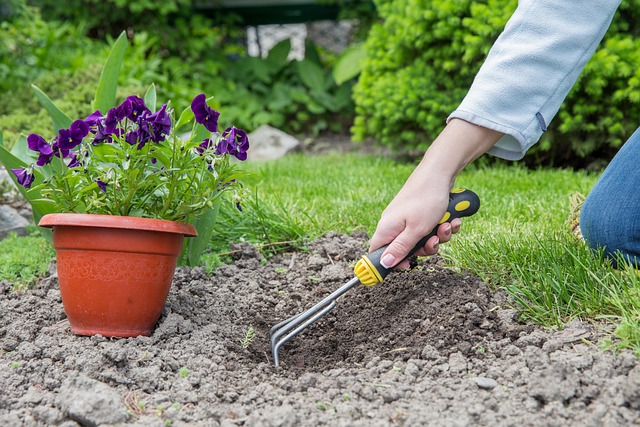
I almost gave up on gardening in my backyard when I died my first three tomato plants in one summer. I didn’t know what “full sun” really meant, the soil was unsuitable, and I was watering too much. Seven years later, that same plot of yard grows lettuce, peppers, herbs, zucchini, and strawberries from April to October.
Why Backyard Gardening Is Worth Your Time and Effort?
Backyard gardening isn’t just a hobby. According to the National Gardening Association, food gardening in the U.S. has grown significantly over the past decade, with millions of households reporting they grow their own produce. The reasons are practical:
- Lower grocery bills: A well-maintained vegetable garden can yield hundreds of dollars’ worth of produce per season.
- Better nutrition: Homegrown vegetables are harvested at peak ripeness, retaining more nutrients than store-bought options that travel long distances.
- Mental health benefits: Research published in the Journal of Health Psychology has linked regular gardening activity to reduced cortisol (stress hormone) levels.
- Environmental impact: Growing your own food reduces packaging waste, transportation emissions, and pesticide exposure.
These aren’t exaggerated claims; they’re consistent findings backed by agronomists, nutritionists, and public health researchers.
Step 1: Assess Your Space Before Buying Anything
Before purchasing a single seed or tool, spend a week observing your backyard. This is the step most beginners skip, and the one that causes the most early failures.
What to Look For
- Sun exposure: Track which areas receive 6–8 hours of direct sunlight. Most vegetables (tomatoes, peppers, squash) are “full sun” crops. Leafy greens like spinach and kale tolerate partial shade.
- Soil drainage: After rain, note where water pools. Waterlogged areas signal poor drainage, which causes root rot.
- Wind patterns: Strong winds can damage seedlings and dry out soil rapidly. Natural windbreaks like fences or hedges are helpful.
- Proximity to water: Being close to a water source reduces the daily labor of hauling hoses across your yard.
A 4×8-foot raised bed in a sunny corner is a better starting point than a sprawling in-ground garden with drainage problems.
Step 2: Choose the Right Garden Type for Your Situation
| Garden Type | Best For | Startup Cost | Maintenance Level | Soil Control |
|---|---|---|---|---|
| In-Ground Bed | Large yards, long-term growers | Low | Medium | Limited |
| Raised Bed | Beginners, poor native soil | Medium | Low–Medium | High |
| Container Garden | Small spaces, renters, patios | Low–Medium | Medium–High | High |
| Square Foot Garden | Maximizing small spaces | Medium | Low | High |
For most beginners, raised beds offer the best balance. You control the soil quality entirely, drainage is built in, and weeding is dramatically reduced. A simple 4×8 cedar raised bed kit costs $50–$120 and can last 10+ years.
Step 3: Build Healthy Soil
Experienced gardeners will tell you: you’re not growing plants, you’re growing soil. Plants are largely a byproduct of healthy, living soil.
Ideal Soil Mix for Raised Beds
A popular and proven formula, popularized by gardening author Mel Bartholomew in All New Square Foot Gardening, is:
- ⅓ blended compost (a mix of sources, not just one bag).
- ⅓ peat moss or coconut coir (for moisture retention).
- ⅓ coarse vermiculite (for aeration and drainage).
For in-ground beds, amend your native soil by working in 3–4 inches of quality compost each season. This improves structure and feeds the microbial ecosystem that makes nutrients available to roots.
Avoid using straight topsoil from bags — it compacts over time and lacks the biological activity plants need.
Step 4: Start With Beginner-Friendly Plants
One of the most discouraging mistakes new gardeners make is starting with difficult crops. Begin with high-success, high-reward plants.
Top Crops for First-Year Gardens
Vegetables:
- Zucchini and summer squash: fast-growing, prolific producers.
- Cherry tomatoes: more forgiving than large slicing varieties.
- Green beans (bush type): low maintenance, no staking required.
- Lettuce and salad greens: can be harvested in as little as 30 days.
Herbs:
- Basil, chives, parsley, and mint — grow in containers or between vegetables.
- Herbs are high-value crops; a single basil plant replaces $40–$60 in store purchases over a season.
Avoid as a beginner: Corn (needs a large space and cross-pollination), watermelon (long season, large footprint), and celery (requires very specific conditions).
Real-World Examples
Example 1: The Suburban Family, Ohio
A family of four converted a 10×10-foot lawn area into two raised beds in 2021. In their first season, they grew tomatoes, cucumbers, peppers, and basil. They estimated $380 in produce value from a $160 startup investment.
By year two, they expanded to four beds and eliminated most store-bought vegetables from June through September.
Example 2: The Apartment Renter with a Small Patio, Austin, TX
Working with only a 6×8-foot concrete patio, one urban renter used five large containers (15–25 gallons) to grow cherry tomatoes, jalapeños, herbs, and lettuce. She used self-watering containers, which reduced maintenance significantly during Texas summers.
Her total investment was under $200, and she noted the mental health benefit of having a daily reason to step outside.
Example 3: The Retired Couple, Rural Vermont
After retirement, a couple converted a large section of their backyard using the Back to Eden no-dig method, layering wood chips over existing grass to build soil over one season.
Within two years, they had deep, fertile, largely self-sustaining garden beds requiring minimal watering due to the mulch’s moisture retention.
Their story reflects a growing movement toward no-till gardening, documented by practitioners like Paul Gautschi and supported by research on soil biology from institutions like the Rodale Institute.
Step 5: Water, Mulch, and Maintain Consistently
Overwatering and underwatering are the two most common causes of plant death. Most vegetables need 1–1.5 inches of water per week, either from rain or irrigation.
Practical Watering Tips
- Water at the base of plants, not the leaves, to prevent fungal disease.
- Water in the morning, so the soil surface dries before evening.
- Use a drip irrigation system or soaker hose on a timer — this is the single best investment for consistent moisture and less daily work.
- Mulch with 2–3 inches of straw or wood chips to retain moisture and suppress weeds.
Basic Maintenance Schedule
- Daily: Quick visual check — wilting, pests, unusual discoloration.
- Weekly: Water deeply (if no significant rain), check for pest damage, harvest ripe produce.
- Monthly: Add compost tea or balanced fertilizer, remove spent plants.
- Seasonally: Refresh compost layer, rotate crops to different beds.
Conclusion
Backyard gardening rewards patience over perfection. Your first season will teach you more than any guide can about what works in your specific soil, your specific climate, and your specific schedule. The goal isn’t a perfect garden; it’s a better garden each year.
The three beginners profiled above all started with uncertainty and a small investment. What they share now is a reliable source of fresh food, a productive outdoor space, and skills that compound over time.