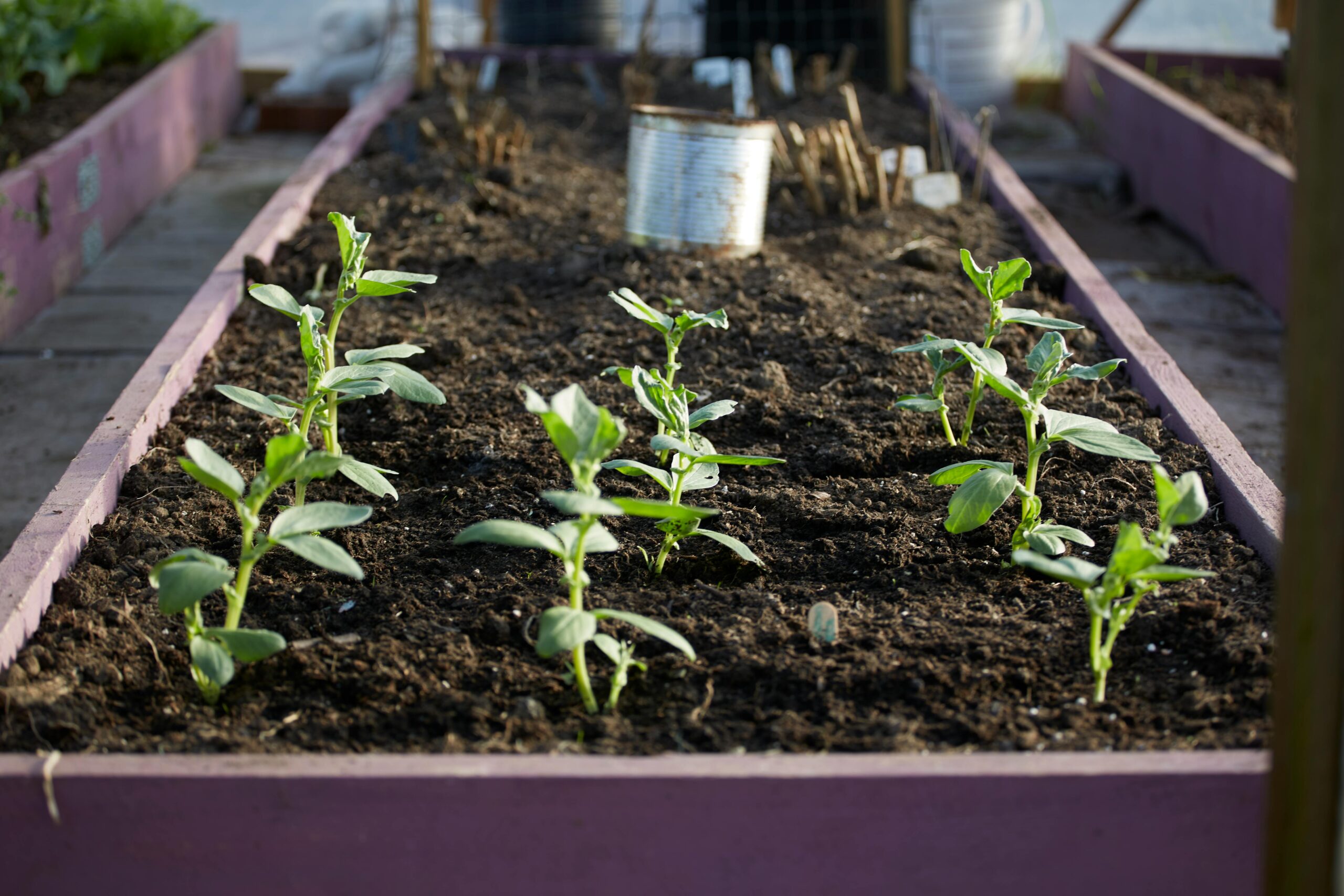
Building a raised garden bed benefits your soil, your back, and your future harvests. However, standing in the timber aisle or exploring online catalogs can easily lead to decision paralysis.
Every substance claims to be the greatest, the longest-lasting, and the most environmentally friendly. The reality is that each material has significant trade-offs in terms of durability, Cost, aesthetics, and structural integrity.
After a few seasons of building, filling, and eventually replacing garden beds, you realize that low-cost materials frequently end up costing more. Replacing a rotten wooden frame entails digging up dozens of cubic feet of established soil, a backbreaking task that soon overcomes the initial savings of low-cost lumber.
Natural Wood
Wood is the classic raised bed material. It breathes well, looks organic in a landscape, and is easy to cut to custom dimensions. However, its lifespan is entirely dependent on the species, thickness, and local climate.
Untreated Softwoods (Pine, Douglas Fir, Spruce)
Untreated softwoods are the most accessible and budget-friendly options at any local hardware store. They are incredibly easy to work with and completely safe for organic growing.
However, they are effectively temporary structures. In a wet climate, an untreated pine bed resting directly on the soil will begin to rot at the ground-level interface within two years.
When using untreated wood, structural bowing is a common frustration. A 4×8-foot bed made of 1-inch thick (nominal) pine will visibly bow outward in the center after its first heavy rain unless you drive support stakes into the ground at the midpoint.
- Average Cost (4x8x1ft bed): $30 – $50.
- Realistic Lifespan: 2 to 5 years (heavily dependent on climate).
- Best For: Renters, temporary setups, or gardeners on a strict budget who don’t mind rebuilding in a few seasons.
Rot-Resistant Woods (Cedar and Redwood)
Cedar and redwood contain natural oils and tannins that resist insect damage and fungal rot. They are the gold standard for wooden beds, offering a beautiful silver-gray patina as they age.
The catch is the grading and pricing. Big-box stores often sell thin, low-grade cedar sapwood that rots almost as fast as pine. For true longevity, you need heartwood.
To prevent bowing and premature decay, you must buy “two-by” lumber (nominal 2-inch thickness, which is actually 1.5 inches). Upgrading to thick, high-quality cedar drastically increases the price of your project, often rivaling high-end metal beds.
- Average Cost (4x8x1ft bed): $120 – $250+.
- Realistic Lifespan: 7 to 15 years.
- Best For: Permanent organic gardens where natural aesthetics are a top priority.
Pressure-Treated Lumber
Modern pressure-treated wood uses Alkaline Copper Quaternary (ACQ) or Copper Azole (CA) rather than the highly toxic chromated copper arsenate (CCA) used before 2003.
According to guidelines from the Environmental Protection Agency (EPA), modern treated lumber is generally considered safe for food crops. The primary risk is a small amount of copper leaching into the immediately adjacent soil.
Despite the safety updates, many organic gardeners still avoid it out of an abundance of caution. If you choose treated wood, a common compromise is to line the inside walls of the bed with heavy plastic sheeting (leaving the bottom open for drainage) to create a barrier between the wood chemicals and the root zone.
- Average Cost (4x8x1ft bed): $50 – $80.
- Realistic Lifespan: 10 to 20 years.
- Best For: Budget-conscious homeowners who want longevity and are comfortable using modern treated wood.
Metal Raised Beds: The Modern Workhorse
Metal beds have surged in popularity, largely driven by modular kits that can be shipped in a flat box. They offer exceptional longevity without the bulk or weight of thick lumber.
Galvanized and Aluzinc Steel
Most modern metal bed kits (like those from Vego Garden or Birdies) use corrugated steel coated in an aluminum-zinc alloy (Aluzinc or Galvalume). This coating is highly resistant to rust and safe for organic soil.
A persistent myth is that metal beds will “cook” plant roots in the summer. In reality, soil is an incredible thermal mass. While the metal rim gets hot to the touch, the heat only penetrates an inch or two into the soil. In fact, this slight warming effect is highly beneficial in the spring, allowing seeds to germinate weeks earlier than in wooden beds.
The main frustration with metal kits is assembly. They require fastening dozens of tiny nuts and bolts, which is tedious.
If the manufacturer covers the panels in protective plastic film, you must peel it off indoors or in the shade; if the sun bakes that plastic onto the metal, it becomes nearly impossible to remove.
- Average Cost (4x8x1ft bed): $100 – $250.
- Realistic Lifespan: 15 to 20+ years.
- Best For: Gardeners seeking long-lasting, low-maintenance beds, especially those who want taller beds (17 to 32 inches) to avoid bending over.
Corten Steel
Corten steel, or weathering steel, is designed to develop a protective layer of rust on its surface, giving it a striking, industrial-orange patina. Once the outer layer rusts, the corrosion stops, protecting the core steel beneath.
Corten beds are incredibly heavy, highly durable, and very expensive. They are often custom-fabricated by landscape architects.
One critical detail to note: as Corten steel weathers during its first year, rust runoff will aggressively stain whatever is underneath it. Never place a new Corten steel bed directly on decorative concrete or light-colored paving stones.
- Average Cost (4x8x1ft bed): $300 – $600+.
- Realistic Lifespan: 20 to 30+ years.
- Best For: High-end architectural landscapes and modern garden designs.
Synthetics: Composites and Plastics
Synthetics offer the promise of wood-like aesthetics without the threat of rot. However, they come with unique structural behaviors that catch beginners off guard.
Wood-Plastic Composites
Made from a blend of recycled wood fibers and durable plastics, composite boards (like Trex or specific garden bed kits) are essentially impervious to water, insects, and rot.
They are an excellent long-term investment, but they are surprisingly heavy and lack the structural rigidity of real wood. If you build a long bed (over 6 feet) using standard 1-inch composite boards without sinking a solid support post in the middle, the summer heat will cause the plastic to soften slightly, resulting in a permanent outward bow from the soil weight.
- Average Cost (4x8x1ft bed): $150 – $300.
- Realistic Lifespan: 20+ years.
- Best For: Homeowners who want a neat, uniform look that matches composite decking, with zero risk of rot.
HDPE and Polypropylene Kits
You can find cheap, lightweight plastic raised bed kits in most home improvement stores. They snap together in minutes without tools.
While they are highly affordable and won’t rot, they are highly susceptible to UV degradation. In hot, sunny climates (like the American Southwest), thin plastic beds become brittle and prone to cracking after three or four harsh summers. A stray weed whacker string or a bumped wheelbarrow will easily shatter a sun-baked plastic panel.
- Average Cost (4x8x1ft bed): $40 – $80
- Realistic Lifespan: 3 to 7 years (climate dependent)
- Best For: Extremely tight budgets, temporary setups, or indoor greenhouse use.
Masonry
Masonry provides incredible durability and heat retention. Building with stone or concrete represents a permanent shift in your landscape architecture.
Concrete Blocks (Cinder Blocks)
Standard 8x8x16-inch concrete masonry units (CMUs) are one of the cheapest and most durable ways to build a raised bed. They stack easily without mortar for low beds (under 2 feet tall).
A clever advantage of CMUs is that the hollow cores can be filled with soil to plant trailing herbs, marigolds, or pollinator flowers, maximizing your growing space.
A practical caveat: concrete is highly alkaline. When a concrete bed is new, rainwater will leach some of this alkalinity into the soil perimeter. You may notice plants right against the blocks struggling slightly in the first season due to pH shifts. You can mitigate this by thoroughly hosing down the blocks before filling the bed.
- Average Cost (4x8x1ft bed): $40 – $70.
- Realistic Lifespan: Indefinite.
- Best For: Budget-conscious permanent installations and gardeners who want maximum thermal mass to extend the growing season.
Natural Stone and Brick
Stacked stone or brick creates a beautiful, timeless cottage garden aesthetic. However, building these properly requires mortar, a level foundation (often a poured footing), and significant masonry skill.
Because of the labor and material costs, natural stone is usually reserved for retaining walls or high-end permanent landscape features rather than basic vegetable plots.
- Average Cost: Highly variable ($300 – $1000+).
- Realistic Lifespan: Indefinite.
- Best For: Formal gardens and integrated landscape architecture.
Hardware and Construction
Even the best lumber will fail if the construction methods are poor. Gardeners frequently spend hundreds of dollars on premium cedar, only to assemble it using cheap drywall screws.
Standard indoor screws contain no rust protection. The moisture from the wet soil will rust the screws to dust within two years, causing the corners of the bed to burst open under the outward pressure of the dirt.
Always use exterior-grade, polymer-coated decking screws or stainless steel fasteners. Furthermore, if you are building wooden beds taller than 12 inches, use a robust 4×4 post in the interior corners to anchor the side boards. Screwing the side boards directly into the end grain of the adjoining boards provides very little holding power against the weight of heavy, wet soil.
Making Your Decision
Choosing the proper material necessitates balancing your budget with how long you intend to live in your home and how much maintenance you are willing to accept.
If you are a renter or are trying gardening for the first time, don’t overspend. Purchase inexpensive untreated pine boards or a basic plastic snap-together kit. Get your hands dirty and determine if you enjoy the hobby before investing thousands of dollars in infrastructure.
If you own your home and consider your garden a permanent feature, invest extensively in the frame. Aluzinc modular metal kits now provide the finest blend of durability, Cost, and convenience of shipping. Alternatively, thick 2-inch cedar remains the finest option if you like natural aesthetics and are prepared to obtain high-quality lumber.