One of the best things you can do with your outside space is grow your own vegetables. It saves you money, makes you healthier, and helps you connect with the food on your plate in a way that shopping at a grocery store never could.
A little forethought goes a long way; as any expert gardener will tell you, good planning can help you escape grief at harvest time.
Start Small, Dream Big
When you first buy a garden, you should plant everything in it. Why not grow watermelons, pumpkins, three types of summer squash, and a couple of different kinds of cucumbers?
The difficulty is that one zucchini plant needs a 3-foot area all to itself. If you don’t realise this, by midsummer you’ll have a tangled, overcrowded nightmare where you’re losing vegetables you never even saw under the vines.
The most important thing to remember is to start small and grow as you learn. Before you try new things, get really good at a few crops. You can develop your backyard into a thriving food garden once you’ve won a few games.
Planning Your Backyard Garden: Key Questions
Where Do You Live?
Where you live will tell you what to plant and when. If you live in a place with short growing seasons, a tomato variety that takes 100 days to mature might not be worth the space in your garden.
If it gets too cold in the autumn, the harvest might be cut short before it’s ready. Before planting, always check your last frost date and pick plants that will do well in your growing season.
How Much Space Do You Have?
Spend some time measuring the area you have to grow. Think about how big each plant will get and what kind of cages, trellises, or other supports it will need as it grows. When you grow indeterminate tomatoes and cucumbers, for example, they need more space than they look like they need.
Changing from regular row planting to raised beds that are 3 or 4 feet wide is one of the finest ways to make the most of your area. Fewer rows in a home garden mean fewer routes between them and more space for the crops to grow.
Raised beds also help you keep the soil quality better, making it less compact, and make the whole process easier to handle, especially for novices.
How Much Sun Does Your Garden Get?
- Full sun (6–8 hours/day): Best for fruiting crops like tomatoes, peppers, cucumbers, and beans.
- Partial shade (3–6 hours/day): Root vegetables like carrots, beets, turnips, and potatoes thrive here.
- Mostly shade (under 4 hours/day): Leafy greens such as kale, chard, spinach, and lettuce can still perform well.
What Foods Do You Actually Eat?
This one seems obvious, yet people often forget about it. Don’t bother growing it if you aren’t going to consume it. Put your energy into the vegetables that your family likes. Plant more tomatoes if you could eat them every day. Set aside a spot for fresh herbs if you like to use them in your cooking. Your garden should be for your table, not the other way around.
Building Healthy Soil
No matter what you cultivate, the soil is where it all starts. Organic soil that is full of compost, manure, and mulch is the finest for a vegetable garden. Most vegetables do best in soil with a pH of 6.0 to 6.8, which is somewhat acidic.
The best thing for making and keeping soil healthy is organic matter. It makes the soil more fertile, better structured, and better textured. It also nourishes the bacteria that feed your plants. around two weeks before planting, mix compost and a little pelletised manure-based fertiliser into your beds. Then, add around 5–7 cm of mulch on top. Your plants will be grateful.
If you’re growing plants in pots or on a patio, keep in mind that every pot needs holes for water to drain out. No plant loves to have a wet bottom.
The Easiest Plants to Grow: A Season-by-Season Guide
Cool Season Stars
Leafy Greens
Leaves are the easiest type of plant to grow, and they are also some of the healthiest things you can eat.
Some people say that rocket is the easiest of all. Once it sprouts, all you have to do is harvest it. It only needs 4 to 6 hours of sunlight, can handle temperatures from cool to hot, and only needs 3 to 4 inches of space per plant, so that you may plant it densely. Each seed makes 3–4 bowls of salad, and homegrown rocket tastes so much better than store-bought rocket.
Many gardeners say that spring mix, which is a mix of easy-to-care-for lettuce types, was their first true success in the garden. Spread seeds over wet soil, water them, and pick leaves one by one. A single seeding can give you fresh salads for months.
Spinach likes chilly, even frigid temperatures, and it grows from seed in 30 to 45 days. Once you have more than you can eat fresh, freeze the extra. Those leaves are great for smoothies and prepared meals all summer long.
Root Vegetables
French Breakfast Radishes are the fastest-growing roots, and you can pick them in as little as 28 days. They taste good, especially to kids, and you get twice as much food: the roots and the greens. Give them 6 hours of sun, hydrate them, and thin out any seedlings that are too close together early on.
It takes longer to grow carrots, but it’s worth it. They like cool weather, can handle frost, and are easy to cultivate from seed that is planted directly in the ground. Growing your own means you know exactly what went into them because the roots take up everything in the soil around them.
Sugar Snap Peas
Sugar snap peas are a cool-season crop that provides protein. Before planting seeds, soak them overnight. Then, put one every 4 to 5 inches along a robust trellis. It takes them 75 to 90 days to start making fruit, but once they’re mature, they keep making fruit for weeks or even months. You won’t find a taste like this in stores.
Warm Season Stars
Bush Beans
Bush beans give, not take. One seed planted in your garden will give you bowls and bowls of food all year long. Even if you put them in the gaps and corners of your beds, they will grow well as long as you give them 4 to 6 inches to spread.
They need eight hours of sun and no frost. Once they’re established, your major responsibility is to keep plucking them.
Zucchini
It’s hard to grow too few courgettes, which is why gardeners joke about giving them to their neighbours. You can plant seeds in early summer, midsummer, and again in early autumn if your climate allows it. Each seed will yield you a dozen or more fruits. Give each plant 1 to 2 square feet of space and press the seeds into warm soil. That’s all it really takes.
Cucumbers
During the summer, cucumbers are the easiest plant to care for. They like to climb and do well in warm conditions. They are ready in around 65 days. Plant seeds 3–4 inches apart at the bottom of a trellis, and water them regularly. You’ll enjoy fresh cucumbers all season long, which are great for salads, snacking, and pickling.
Tomatoes
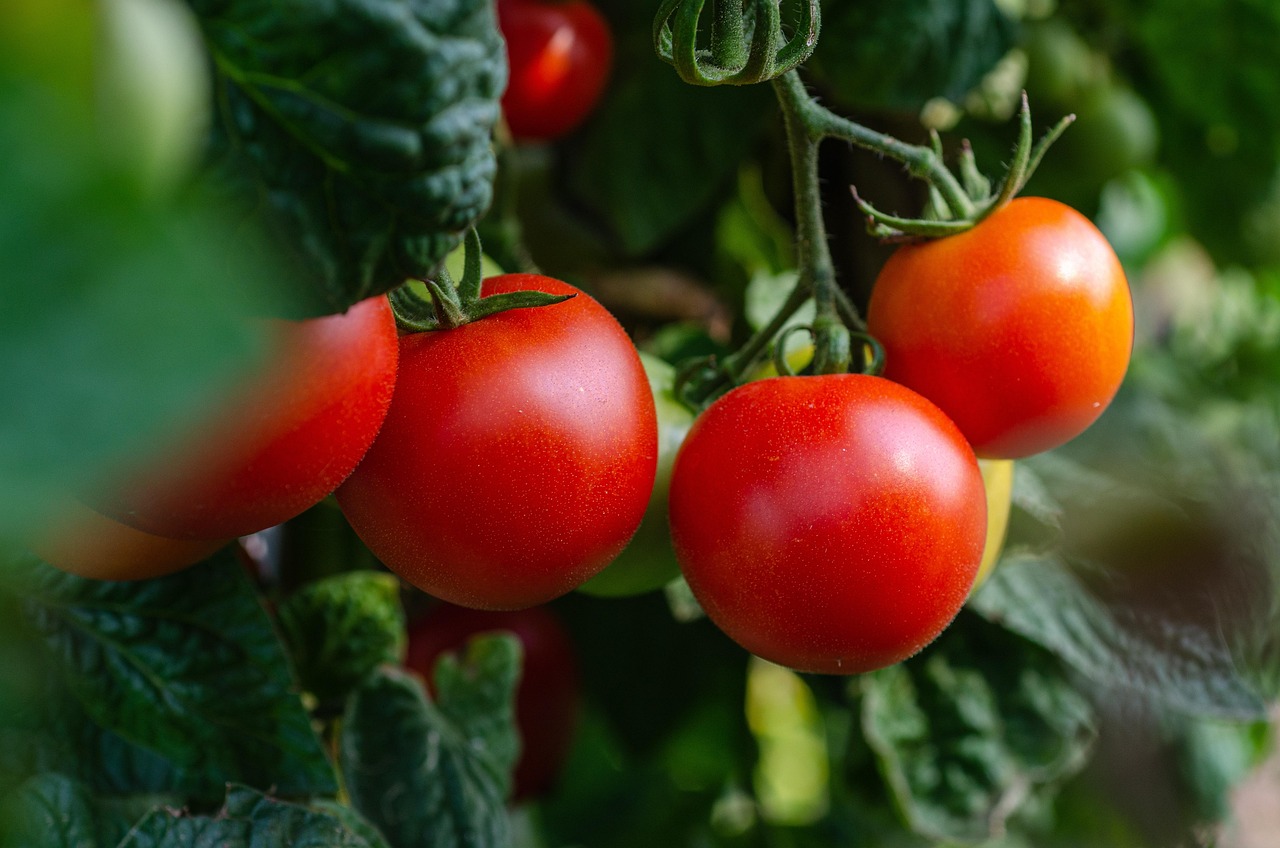
Even the laziest gardeners can get some fruit from tomatoes, but they need to pay a little more attention to do really well. If you’re planting in a container or a limited location, seek “bush” or “dwarf” kinds that are small. The sky is the limit for beds with more space. There is nothing like a homegrown tomato that has been sweetened by the sun.
Grow Up, Not Out: The Case for Trellising
Trellising is one of the best methods to use space in a garden, especially in a tiny backyard. Climbing peas, pole beans, cucumbers, and vining tomatoes all thrive well on vertical supports. This leaves more room in the horizontal bed for other plants.
Set up your trellis before you plant. It’s far easier than having to do it around plants that are already there. You will need to gently help the plants up the support as they grow for some crops, such as tomatoes and cucumbers.
Keep Things Moving: Succession Planting and Crop Rotation
Instead of planting all at once, succession planting implies planting little portions of the same crop every week or two. This way, you can pick lettuce all season long without having too much one week and none the next.
In late winter or early spring, plant cold-hardy greens and peas. When the risk of frost is gone, turn to warm-season crops. In late summer, plant cool-season crops again for a fall harvest.
Crop rotation means that you can’t plant the same crop in the same place more than once every three years. This stops nutrients from running out in one place and stops any pest or disease cycles that might be forming in the soil. Every season, keep a basic garden notebook or draw.
Don’t Forget the Flowers
Adding something that isn’t a vegetable to your vegetable garden is one of the best things you can do. Zinnias bloom in less than 65 days after you plant them directly from seed after your last frost.
They also attract bees, butterflies, and other helpful pollinators that will make your fruiting plants much more productive. Put them all over your garden, but especially near beans, cucumbers, and zucchini. They are the quiet workers who make a backyard garden grow.
A Few Final Tips
- Sow more than you need. Even the best gardeners lose crops some years. A few extra seeds are cheap insurance.
- Keep records. Note what you planted, where, and when — and record what worked. Over time, your own garden journal will teach you more than any book.
- Don’t be discouraged by failure. If something doesn’t grow, it’s usually a matter of conditions, timing, or an unlucky pest — not a reflection of your abilities. Sow again and keep going.
Above all things, the garden rewards those who are patient and pay attention. You can obtain a lot of fresh food from your garden if you start with a few of these easy-to-grow plants, make sure your soil is healthy, and pay attention to the sun and space.