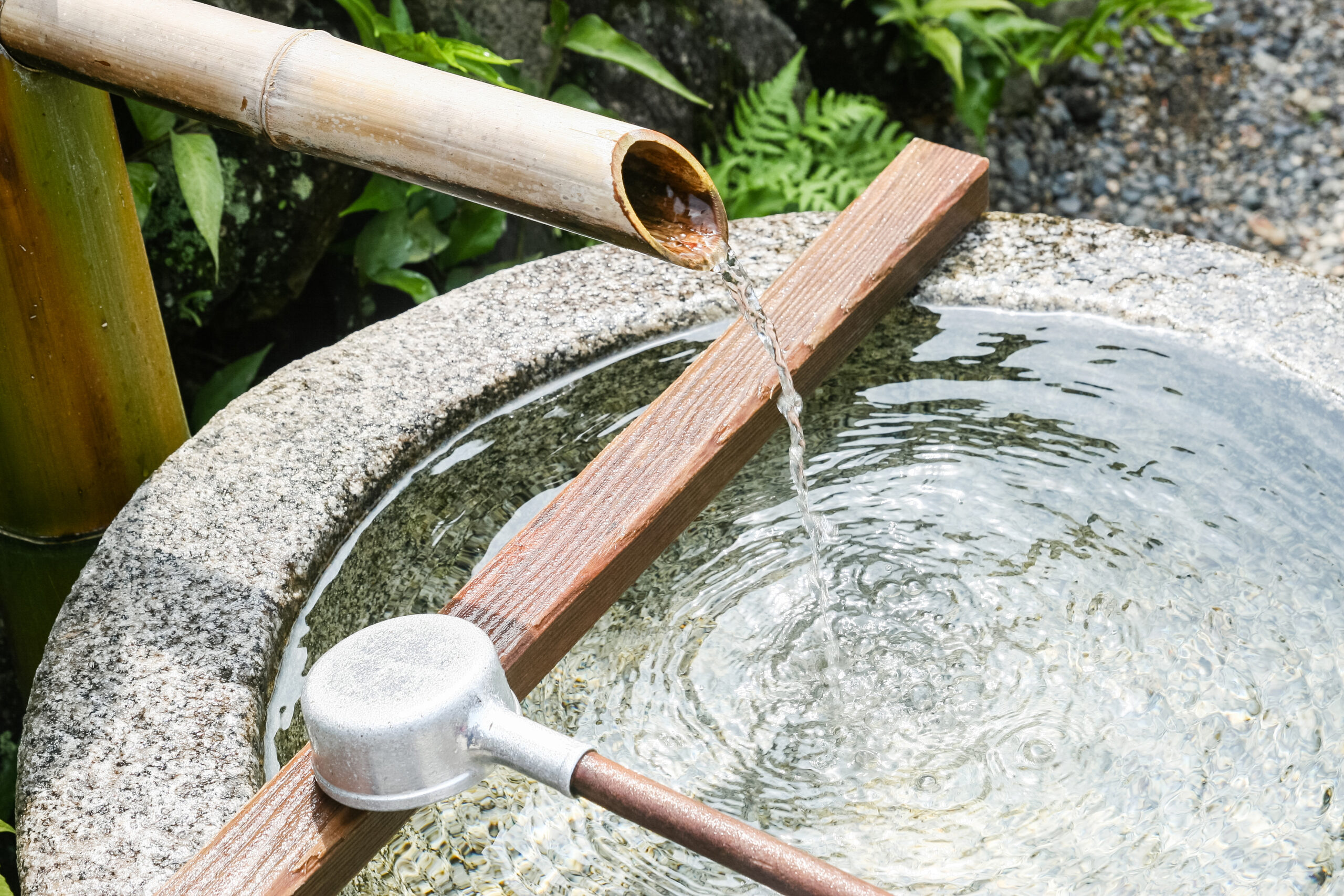
There’s something quietly transformative about the sound of water in a garden. Whether it’s a gentle trickle or a confident splash, moving water has a way of turning even the smallest outdoor corner into a genuine sanctuary.
You don’t need a sprawling estate or a generous budget to enjoy it. A pond planter, a self-contained water feature built inside a decorative container, is one of the most rewarding weekend projects a gardener can take on.
This guide walks you through everything: choosing the right container, lining and sealing it, selecting plants that do real ecological work, managing common problems like algae and mosquitoes, and keeping your feature looking its best through the seasons.
Why a Pond Planter Works So Well in Small Spaces?
Traditional garden ponds require excavation, planning, and significant investment. A pond planter sidesteps all of that. It can sit on a patio, deck, balcony, or tucked into a shady corner where a conventional pond would never fit.
Despite its compact footprint, it can host aquatic plants, attract frogs and dragonflies, and produce the same calming sounds as a much larger water body.
Water features also do something easy to underestimate: they make space feel more finished. A reflective water surface bounces light around, making shaded areas feel brighter and more dynamic, particularly valuable in smaller gardens where every square metre needs to earn its keep.
Choosing Your Container
The container is the foundation of your pond planter, and the good news is that almost anything capable of holding water or supporting a liner is a candidate. Ceramic sinks, half-barrels, wide terracotta urns, galvanised troughs, heavyweight planters, and even repurposed metal tubs can all work beautifully.
The key design principle: let the material and shape of your container reflect the character of the surrounding garden. A sleek rectangular metal trough suits a contemporary space; a weathered wooden half-barrel or terracotta olive jar brings a more classical, romantic quality.
A burnished copper bowl, for instance, pairs wonderfully with drought-tolerant structural plants like yuccas or agaves.
When assessing size, bigger is generally more forgiving; larger water volumes stay balanced more easily and give aquatic plants room to establish properly.
Lining and Waterproofing Your Container
Unless your container is already watertight (such as a glazed ceramic), you’ll need to waterproof it before adding water.
For wooden barrels and half-barrels: Lay a flexible pond liner centrally over the container. Press it down into the middle, then work around the rim, folding the excess liner over itself in neat 10–15 cm increments, minimising bulges as you go. Secure each fold with staples placed just below the rim.
Trim the liner flush with the top edge. Rigid pre-formed liners sized for half-barrels are also widely available and remove much of this fiddliness. Confirm dimensions before purchasing.
For ceramic pots and planters: Seal the drainage hole using a small offcut of pond liner spread with waterproof caulk. Run caulk along any hairline cracks. Once dry, coat the interior with a dedicated water garden sealant. Allow it to cure fully before filling. Rushing this step is the most common source of slow leaks that slowly stress plants and fish.
Once filled, the rim of your container should sit slightly above the surrounding ground level if placed directly in a bed or border. This prevents soil and debris from washing in during rainfall.
Adding a Pump
A small submersible pump transforms a static container into a living water feature. It creates movement that discourages mosquito breeding, aerates the water for fish and plant health, and generates the sound of moving water that makes the whole project worthwhile.
Before placing the pump inside your finished feature, test it in a bucket of water first. Discovering a faulty pump after you’ve arranged plants and rocks is a frustrating experience that’s entirely avoidable.
Position the pump at the base of the container. If you’re concerned about wildlife (or in areas with curious animals like raccoons), wedge the pump between two bricks and place a sturdy grate or flat rock over the top, leaving the spigot clear. This secures the pump and protects it from being disturbed overnight.
Route the power cord discreetly between stones along the container’s edge, hidden beneath a flat capping rock. If a mains connection isn’t nearby, solar-powered pond pumps are a practical and increasingly capable alternative.
Important: submersible pumps must always be running in water. Running a pump dry, even briefly will burn out the motor.
Selecting Your Plants
The right mix of aquatic plants is what keeps a pond planter healthy, clear, and largely self-managing. Plants reduce algae by competing for the same nutrients (phosphorus and nitrogen) that algae feed on, and by shading the water surface to limit sunlight penetration.
Aim to cover roughly half the water surface with floating plants, and supplement with submerged oxygenators below.
Floating Plants (surface cover and shading)
- Water Lettuce (Pistia stratiotes) — rosette-forming, fast-spreading, excellent shade provider
- Water Hyacinth (Eichhornia crassipes) — striking purple flowers, vigorous grower
- Miniature Water Lilies (Nymphaea spp.) — classic choice; scaled-down varieties suit even small containers
Submerged Oxygenators (water clarity)
- Anacharis / Canadian Pondweed (Elodea canadensis) — highly effective at absorbing excess nutrients; easy to trim back when it outgrows its space
- Water Buttercup (Ranunculus aquatilis) — delicate white flowers above the surface, oxygenating stems below.
- Fanwort (Cabomba caroliniana) — feathery submerged foliage, excellent for small ponds
Plant submerged oxygenators at roughly one bunch (6–10 stems) per 0.5 square metres of surface area.
Marginal Plants (edge interest)
- Dwarf Cattail (Typha minima) — architectural upright form without the bulk of standard cattails
- Dwarf Papyrus (Cyperus prolifer) — elegant, umbrella-like stems
- Sweet Flag (Acorus spp.) — low-growing, grasslike, tolerant of varying water depths
- Japanese Iris (Iris pseudacorus) — dramatic flowers in late spring
Marginals can be placed at the container’s edge in submerged pots to keep them at the right depth and make seasonal management easier.
Resist the temptation to fill the container with too many plants at once. Overcrowding disrupts the ecological balance you’re trying to create, and plants will establish better with room to develop.
Introducing Wildlife
Even a small pond planter can support a surprising amount of life — and that life, in turn, helps manage the water’s health.
Fish add movement and visual interest. For compact water features, goldfish varieties such as Red Comets, Calico Fantails, and Shubunkins are well-suited. As a general rule, allow at least 6 square inches of water surface area per inch of fish length — don’t overstock, as fish waste will tip the water chemistry out of balance.
Snails, particularly Japanese Trapdoor Snails, are unsung heroes of a small pond. They graze algae from container walls and consume excess fish food before it can decompose and cloud the water.
Tadpoles and frogs will often arrive on their own once a water feature is established. Tadpoles consume algae and add charm; frogs contribute to natural insect control.
If you add wildlife to your container, include a way for small creatures to exit safely — a stone ramp, an angled piece of slate, or a sturdy stick running from the water’s edge to the rim. This is a simple step that prevents unnecessary casualties.
Managing Common Problems
Algae
Some green water in the first few weeks is completely normal. As your plants establish and start competing for nutrients, clarity will improve naturally. If you need a helping hand, barley straw pellets or a product like Microbe-Lift offer natural algae control without harming plants or wildlife. An extra snail or two can also make a noticeable difference.
Mosquitoes
Still water can become a breeding ground for mosquitoes, but this is easily managed. A running pump keeps the water surface moving — mosquitoes won’t lay eggs on disturbed water. If you’re running a feature without a pump, change the water every 8–10 days before larvae have time to mature into adults. Mosquito Dunks (containing the naturally occurring bacterium Bacillus thuringiensis israelensis) are another effective option that won’t harm fish, frogs, or beneficial insects.
Evaporation
Water levels will drop during warm or dry spells. Top up as needed, but if your tap water is chlorinated, allow it to stand in an open container for 24–48 hours before adding it to a pond with fish or sensitive plants. Chlorine dissipates with air exposure and is toxic to fish and beneficial bacteria.
Seasonal Care
Spring: Check the pump and clean the filter before the growing season begins. This is also the time to divide overgrown plants and replenish oxygenators.
Summer: Monitor water levels weekly. Remove yellowing or dead foliage promptly to prevent it from decomposing and affecting water quality. This is when the feature looks its best — enjoy it.
Autumn: Remove tender floating plants before the first frosts. Cut back margins as they die down. Clear fallen leaves before they sink and decompose.
Winter: In climates with hard frosts, disconnect and store the pump indoors. If the container is frost-sensitive (terracotta, for example), empty and store it too.
For more resilient containers, a pond heater or de-icer can keep a small area of the surface ice-free, which prevents the build-up of harmful gases beneath a frozen surface.
Finishing Touches
The difference between a container of water and a genuine garden feature often comes down to the edges. Arrange a selection of smooth stones, slate pieces, or pebbles around the rim to disguise the container’s lip and create a natural-looking transition.
Use flat rocks to conceal the pump cord. If the container sits in a planted border, let surrounding plants, ornamental grasses, achilleas, or structural herbs soften its edges and integrate it into the wider garden composition.
A well-placed pond planter doesn’t just add water to a garden. It adds life, sound, light, and a reason to stop and sit for a while — which, in the end, is what any good garden feature should do.
Frequently Asked Questions
How much does it cost to set up a pond planter?
A basic setup using a recycled container, a budget submersible pump, and a few starter plants can be put together for under £50–£80 / $60–$100. Costs rise with container size, pump quality, and plant selection, but this remains one of the most affordable water feature options available.
Can I keep fish in a small container pond?
Yes, but with care. Choose varieties suited to small volumes, avoid overstocking, and ensure the water is well-oxygenated — either through a pump, oxygenating plants, or both. A container of at least 100 litres gives fish a more stable environment.
Do I need planning permission for a pond planter?
In most residential settings, a container water feature requires no planning permission at all. It’s a freestanding garden accessory, not a permanent structure. Always check local regulations if you’re unsure.
How do I stop the water from going green?
Balance is the key: sufficient floating plant cover (around 50% of the surface), submerged oxygenators, and a pump or regular water changes. Avoid placing the container in full sun all day; some afternoon shade significantly reduces algae growth.
Can a pond planter work on a balcony or rooftop?
Container water gardens are ideal for balconies and rooftop gardens. Consider weight limits and use lightweight containers where necessary; fibreglass and resin options that mimic stone or ceramic are worth exploring for elevated spaces.